Comparing Cage and Cageless Needle Roller Bearings
Choosing the right needle roller bearing depends on what you need. Some uses need higher speed and less friction. Other uses need to hold more weight. Caged Design gives better roller guidance and smoother movement. Both caged and cageless needle roller bearings have special benefits. Each bearing design works best for certain uses. It depends on speed, load, and how much care it needs. A quick comparison table helps users see the differences fast
Key Takeaways
Caged needle roller bearings are good for fast machines. The cage keeps rollers apart. This lowers friction and heat.
Cageless needle roller bearings can hold more weight. They fit more rollers inside. They are good for heavy loads in small spaces.
Caged bearings need less care and last longer. Cageless bearings need more care and more checks.
You should pick the right bearing for your needs. Think about speed, how much weight, space, and how much care you can give.
Good seals and the right lubrication help bearings last longer. The bearing should match where it will be used. This helps it work better.
Quick Comparison
Caged vs. Cageless Overview
When you look at caged and cageless needle roller bearings, you can see they are different. Their structure, how they work, and where they are used are not the same. Each type has special strengths for different jobs.
Compare Caged Needle Roller Bearing and Cageless
Tip: Check the table below to quickly see how each bearing design works in important ways.
Feature
Caged Needle Roller Bearing
Cageless Needle Roller Bearing
Structure
Rollers held in place by a cage
Rollers fill the bearing, no cage
Load Capacity
Moderate to high
Very high
Speed
High
Moderate to low
Friction
Low
Higher
Maintenance
Less frequent
More frequent
Installation
Easier
Requires precision
Lifespan
Longer
Shorter
Application Suitability
Automotive, robotics, e-mobility
Heavy-duty, slow-moving machinery
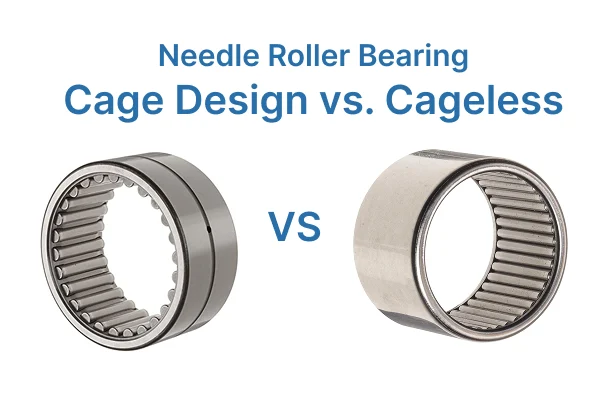
Caged design uses a cage to keep each roller where it should be. The cage stops rollers from getting stuck or turning the wrong way. This helps lower sliding friction, so it works well when things move fast. The cage also helps the bearing last longer and makes it easier to put in. Many new machines, like electric cars and robots, use caged needle roller bearings because they need to go fast and work well.
Cageless needle roller bearings, also called full complement bearings, have more rollers inside. This lets them carry heavier loads. But without a cage, the rollers can move out of place and cause more friction. These bearings are good for heavy jobs but do not work as well at high speeds. They need more care and careful setup.
Caged design helps make machines smaller and saves energy.
Cageless bearings are good for heavy loads in small spaces.
Both types of needle roller bearings are important. The best one depends on what the job needs, like speed, weight, and how often it will be checked.
Caged Design
Structure and Features
A caged needle roller bearing has a cage that holds each roller. The cage keeps the rollers apart and helps them move straight. This setup lets the bearing work well and stops rollers from rubbing together. Most cages are made of steel because it is strong and lasts long. Some cages use plastic for special jobs. The cage also makes the bearing quieter and keeps rollers in place.
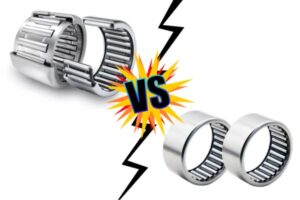
Neddle Roller Bearing with Cage
Aspect
Details
Common Cage Materials
Steel is used most, but plastic is used sometimes.
Spreads weight better, lowers friction and noise, helps bearing last longer.
Lubrication & Surface Treatment
Makes less heat from friction, so it works better and lasts longer.
Advantages
Caged needle roller bearings have many good points. The cage lets the bearing spin faster because rollers do not touch. This means less friction and less heat. The cage also helps rollers move the right way, so the bearing runs smooth. It is easier to put in because the cage holds the rollers. Bearings with a cage last longer because the rollers do not wear out as fast.
The caged needle roller bearing is great for fast-moving parts. It makes less friction and less noise.
Disadvantages
A caged needle roller bearing has some downsides. The cage takes up space, so there are fewer rollers inside. This means it cannot hold as much weight as a cageless bearing. The caged design can also cost more because it needs extra parts. If you need to carry the most weight, a cageless needle roller bearing might be better.
Cageless Design
Structure and Features
A cageless needle roller bearing is also called a full complement bearing. It uses only rollers and races. There is no cage inside. The rollers fill almost all the space. Each roller touches the one next to it. This design lets the bearing hold more rollers than a caged one. More rollers mean it can carry more weight. The structure looks simple, but it needs careful assembly. The raceways must be very smooth and exact. This helps the rollers move without getting stuck.
Needle Roller Bearing without Cage
Feature
Cageless Needle Roller Bearing
Cage
None
Number of Rollers
Maximum possible
Load Distribution
Even across all rollers
Space Efficiency
Very compact
Advantages
Cageless needle roller bearings have many good points. The biggest advantage is they can hold more weight. More rollers inside help the bearing support heavy loads. This makes them great for heavy-duty machines. The small size lets engineers use them in tight spaces. The simple design means there are fewer parts to break. Many industries use these bearings when they need to save space and carry big loads.
Note: Cageless needle roller bearings work best in slow or back-and-forth machines that carry heavy loads.
Disadvantages
Cageless needle roller bearings have some downsides compared to caged ones. The extra rollers make more friction when spinning. This can make the bearing get hot faster. It cannot run at high speeds for a long time. It also needs more care and checking. Lubrication is very important to keep it working well. The raceways must be very smooth and exact. Even a small problem can wear out the rollers fast. Users must check the bearing often to stop problems.
Cageless design holds more weight but needs more care.
Caged bearings are better for fast or low-care jobs.
Caged vs. Cageless Needle Roller Bearings
Load Capacity
Load capacity means how much weight a bearing can hold. Caged needle roller bearings have a cage that keeps rollers apart. This cage limits how many rollers fit inside. Fewer rollers mean the bearing holds less weight. Cageless needle roller bearings are also called full complement bearings. They fill almost all the space with rollers. More rollers let these bearings carry heavier loads.
Bearing Type
Load Capacity
Caged
Moderate to High
Cageless
Very High
Tip: If a machine needs to hold a lot of weight, engineers often pick cageless needle roller bearings.
Speed and Friction
Speed and friction change how well a bearing works. Caged needle roller bearings are best for high speeds. The cage keeps rollers apart so they do not touch. This lowers friction and heat. These bearings run smooth and quiet. Cageless needle roller bearings have more rollers touching each other. This makes more friction. The bearing can get hot if it spins too fast. Cageless designs are better for slow-moving machines.
Caged bearings: Good for high speed, low friction, and smooth running.
Cageless bearings: Better for lower speed, higher friction, and more heat.
Lubrication and Maintenance
Lubrication helps a bearing work well. Caged needle roller bearings need oil or grease less often. The cage spreads the oil or grease evenly. This makes maintenance easier. Users spend less time checking the bearing. Cageless needle roller bearings need more care. More rollers make more friction, so they need more oil or grease. Maintenance must happen more often. Clean and smooth raceways help the bearing last longer.
Note: Lubricating bearings often helps them last longer and work better.
Lifespan and Cost
How long a bearing lasts and how much it costs are important. Caged needle roller bearings usually last longer. The cage keeps rollers apart and lowers wear. This design also helps stop damage from heat or friction. Caged bearings may cost more because they have extra parts. Cageless needle roller bearings cost less to make. But they can wear out faster if not cared for. More rollers can cause more wear and make the bearing last a shorter time.
Aspect
Caged Bearing
Cageless Bearing
Lifespan
Longer
Shorter
Cost
Higher
Lower
Picking the right bearing means thinking about cost, how long it lasts, and what the machine needs.
Choosing the Right Needle Roller Bearing
Application Suitability
Picking the right needle roller bearing depends on what the job needs. Robotics, cars, and machines all need different things. In robotics, engineers look at load, speed, and space when choosing bearings. The table below shows how these things change which bearing is best:
Application Requirement
Influence on Bearing Choice
Explanation
Load Capacity
Cageless bearings are best for heavy loads in small spaces
Cageless bearings have more rollers, so they hold more weight but cannot go as fast.
Speed and Precision
Caged bearings are better for fast, smooth movement
No cage means more rollers fit, so it holds more weight, but it may make more friction and slow down.
Operating Conditions (Temp, Stress)
Cage material and design must match the environment
Strong cages like steel or plastic can handle heat and stress in robots.
Durability and Maintenance
Caged bearings last longer and need less care
The cage stops rollers from touching, so there is less heat and wear, which is good for robots that run a lot.
Different jobs need different features. Big machines use cageless bearings to carry more weight. Fast or precise machines, like robot arms, use caged bearings.
Operating Conditions
Where the bearing works is very important. Dust, water, and chemicals can hurt both types of bearings. Seals and cage materials help keep out dirt and protect the bearing. Steel cages stop grease from leaking better than plastic ones. High heat can make rubber seals break down faster. Cageless bearings do not have cage limits, but they can get dirty more easily.
Dust and water can make bearings rust and wear out.
Good seals and the right oil help bearings last longer in tough places.
The kind of grease and surface finish also matter for how well the bearing works.
A bearing that works great in a clean place might break fast in a dirty or wet spot.
User Priorities
What the user wants is important when picking a bearing. Some people want to carry the most weight. Others need high speed or less work to take care of the bearing. If speed and smooth movement are most important, caged bearings are the best choice. If you need a small bearing that can hold a lot of weight, pick a cageless bearing.
Tip: Always choose the bearing that fits your most important need. Think about weight, speed, space, and where it will be used before you decide.
Picking caged or cageless needle roller bearings depends on the job. Caged designs work best when things need to move fast and fit together easily. They are also good when machines must be very exact. Cageless types can hold more weight in small spaces. Experts say to use caged bearings for heavy loads, gears, and when you need things to be very precise. People should choose a bearing based on how much weight, speed, and care it needs. If you need help picking the right one, TFL Bearings can give advice for any needle roller bearing job.
FAQ
What is the main difference between caged and cageless needle roller bearings?
Caged bearings have a cage that keeps rollers apart. Cageless bearings have more rollers packed inside. Caged bearings are better for fast-moving machines. Cageless bearings can hold heavier weights.
Which bearing type is easier to install?
Caged needle roller bearings are simple to put in. The cage keeps the rollers from moving around. Cageless bearings need careful lining up when you install them.
When should engineers choose cageless needle roller bearings?
Engineers pick cageless bearings for tough, heavy jobs. These bearings can hold more weight in small spaces. They work best in machines that move slowly.
Do caged bearings require less maintenance than cageless bearings?
Yes. Caged bearings do not need to be checked as often. The cage spreads oil or grease and stops rollers from rubbing. Cageless bearings need more checks and care.
Can both types handle high-speed applications?
Caged needle roller bearings are better for fast speeds. The cage helps lower friction and heat. Cageless bearings are better for slower machines.
With 8+ years of experience, I specialize in cost-effective bearing procurement and supply chain optimization. At TFL BEARING, I've partnered with 100+ global clients across 50 countries. Backed by 20+ years of supply expertise, I deliver precision-engineered bearings for demanding applications. Contact me for reliable, one-stop supply solutions.
Wheel Bearing Noise: What It Sounds Like and How to Find the Bad One
Wheel bearing noise is usually a hum, growl or rumble that rises and falls with road speed, not engine speed, and changes when you steer gently left or right. If the sound stays the same when you shift into neutral and coast, but gets louder in a long sweeping curve, a worn bearing is the […]
Spherical Bearings: Types, GE Codes and How to Choose One
Spherical bearings let a shaft or pin rotate and tilt at the same time. Inside, an inner ring with a convex outer surface sits in an outer ring with a matching concave bore, so the two can swivel against each other. Most spherical bearings you’ll buy are spherical plain bearings: two steel rings, no balls, […]
6804 Bearing: Dimensions, Specs, Seal Types and Equivalents
A 6804 bearing is a thin section, single row deep groove ball bearing with a 20 mm bore, a 32 mm outside diameter and a 7 mm width. Many brands sell the same size as 61804. It carries radial loads and light axial loads where space is tight. This guide puts the size, load ratings, […]
6904 Bearing: Dimensions, Load Ratings, Seal Types and Cross Reference
A 6904 bearing is a single row deep groove ball bearing with a 20 mm bore, a 37 mm outside diameter and a 9 mm width. It’s thin, light and built for radial loads at high speed. You’ll find it in bicycles, small electric motors, power tools and compact machines. This guide gives you everything […]
6805 Bearing: Dimensions, Specs, Seal Types and Bike Uses (2026)
A 6805 bearing is a thin, single row deep groove ball bearing that measures 25 mm bore, 37 mm outside diameter and 7 mm width. Most sellers write that as 25x37x7. You’ll find it in bike hubs, suspension pivots, ebike motors, robots and compact machines. SKF and FAG sell the same size as 61805. The […]
6902 Bearing: Dimensions, Seal Types, Specs and Replacement Guide
A 6902 bearing is a single row deep groove ball bearing with a 15 mm bore, a 28 mm outside diameter and a 7 mm width. You’ll often see the size written as 15x28x7. It’s slim and light, so it shows up in bike hubs, small electric motors, compact gearboxes and automation parts. On a […]
Trailer Bearings: Size Chart, Grease, Repacking and Replacement Guide
Trailer bearings are the tapered roller bearings inside each wheel hub that let the wheel spin smoothly on the axle spindle while carrying the load. Every hub has two: a larger inner bearing and a smaller outer bearing. Service them every 12 months or 12,000 miles, and they’ll keep you rolling safely for years. Ignore […]
Gearbox Bearing Guide: Types, Positions, Failure Signs and Selection
A gearbox bearing is the part that holds each shaft inside a gearbox and lets it spin with very little friction. It carries the force from the meshing gears, so the teeth stay lined up, quiet and cool. When one wears out, the noise, heat and damage spread fast. Below, you’ll learn about the bearings […]
6201 Bearing: Dimensions, Specs, Seal Types and Replacement Guide
A 6201 bearing is a single row deep groove ball bearing with a 12 mm bore, a 32 mm outside diameter and a 10 mm width. It’s a light series part, so it’s smaller than the 6301 that fits the same 12 mm shaft. You’ll find it in small motors, fans, scooter wheels and household […]
One Way Bearing: How It Works, Types, Uses and Bad Symptoms
A one way bearing is a bearing that spins freely in one direction and locks solid in the other. Small sprags or rollers inside wedge between two rings when you turn it backward, so torque passes straight through. You already know the idea from a bicycle: you can coast, but pushing the pedals still drives […]
6301 Bearing: Dimensions, Specs, Seals and Replacement Guide
A 6301 is a single row deep groove ball bearing with a 12 mm bore, a 37 mm outside diameter and a 12 mm width. It’s a medium series part, so it carries more load than the smaller 6201 on the same 12 mm shaft. You’ll find it in electric motors, pumps, fans and car […]
Flange Bearing Types: What They Are and How to Choose the Right One
A flange bearing is a bearing with a flat, extended rim (the flange) that lets you bolt it to a surface or seat it in a housing, so the shaft stays exactly where it should. The term actually covers three different parts: bolt on mounted units, flanged ball bearings and flanged sleeve bearings. This guide […]
Thrust Bearing Types Explained: How They Work and How to Choose One
A thrust bearing is a bearing built to carry axial load, the push that runs along a shaft instead of across it. Picture a lazy Susan. Plates press down on it, yet it still turns. That’s the whole idea. If the force runs across your shaft, you need a radial bearing. If it runs along […]
Pillow Block Bearings: Types, Sizes and How to Choose the Right One
Pillow block bearings are mounted bearings that hold a spinning shaft parallel to a flat surface. They use a bolt down housing with a bearing inside. You’ll find them on conveyors, fans, pumps and farm machines. This guide covers the types, how to read sizes, and the mistakes that wear them out early. What Is […]
Explore the structural differences between cage and cageless needle roller bearings to optimize industrial machinery performance. This analysis helps engineers balance radial load capacity against speed requirements for long-term reliability.
Needle roller bearings are essential for compact, high-load applications. This article explores their design, benefits, and how to select the right type for your machinery.
This technical guide provides a side-by-side comparison of cylindrical vs needle roller bearings, analyzing their structural differences, load capacities, and speed limitations. It offers engineers and buyers practical advice on selecting the right bearing type to optimize machinery performance and space efficiency.
Needle Thrust Bearings offer high load capacity and compact design, enabling precision machinery to achieve greater reliability and efficiency in demanding fields.