







Automotive Bearings
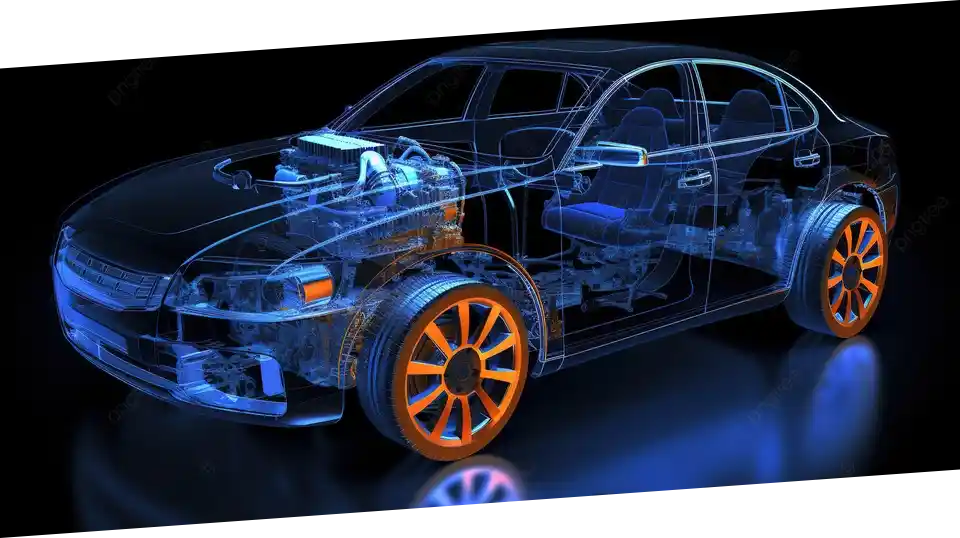
Automotive Critical Bearing Applications
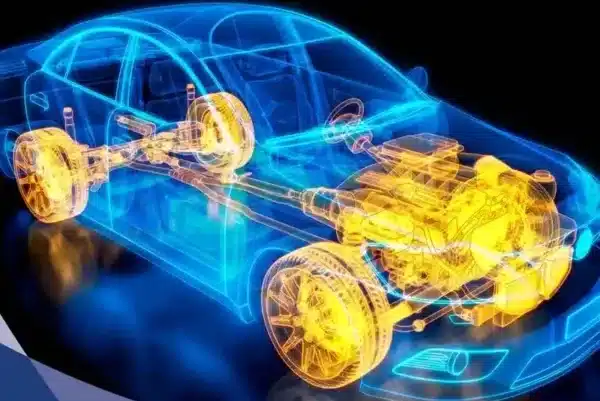
Key Bearing Applications
Bearings are integrated into numerous systems throughout a vehicle. Key areas where precision bearings are essential include:
Wheel Bearings
Hub Bearings
Front Wheel Bearings
Rear Wheel Bearings
Engine Bearings
Transmission Bearings
Steering System Bearings
Accessory Component Bearings (alternator, water pump, etc.)
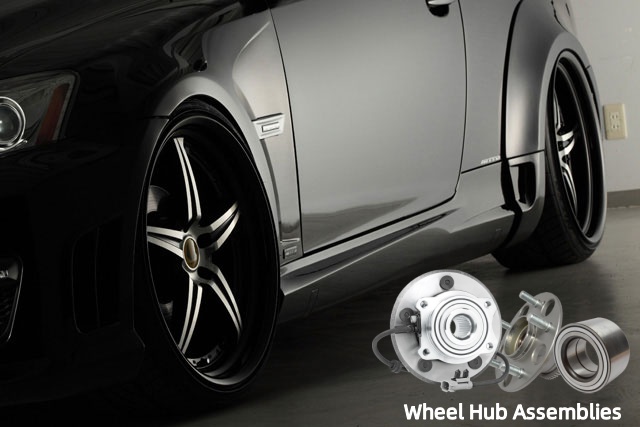
Wheel Assembly Bearings: Front and Rear

Transmission Bearings and Powertrain Component Bearings
Steering System and Accessory Bearings
Beyond steering, components like alternators, water pumps, and air conditioning compressors utilize bearings. These are often ball bearings designed for high rotational speeds and durability. For instance, front ball bearing types might be found in smaller accessory motors or linkages.

Technical Specifications & Cross-Reference: Specialized Differential Bearings
We provide mainstream brand replacement solutions for these bearing models:
| Reference Part Number | Brand Interchange | Key Application / Position | Availability & Action |
|---|---|---|---|
| EC 40510 H106 / EC40988 H206 / EC 40987 H206 | SNR / NTN Interchange | Differential Pinion & Carrier Support |
● IN STOCK
ISO 9001 & IATF 16949 |
| STA 2755 / STA 3266 / STA 2766 | KOYO Interchange | Front / Rear Differential Assembly (Japanese) | |
| STA 4387 / STA 4391 / STA 3072 | KOYO Interchange | Rear Axle Differential Support Systems | |
| F-607039 / N40000 S05 | FAG / SNR Equivalents | Differential Case & Gear Support | |
| F 568031.TR1 / 806155 / 806154 | FAG Interchange | European Drivetrain Differential Units | |
| BT1B-328236 / HTFR25-36 / FC 10558 V | SKF / KOYO / SNR | Integrated Differential Bearing Units | |
| KEST 3060 / KEST 2865 | KOYO Interchange | LCV Specialized Differential Axles |
FREQUENTLY ASKED QUESTIONS

What does a wheel bearing do?
How long do wheel bearings last?
What is the difference between a wheel bearing and a hub bearing?
Can you drive with a bad wheel bearing?
Do you provide direct cross-references for SKF, FAG, or Timken?
Yes, absolutely. TFL Bearing maintains a comprehensive internal technical database that allows us to provide precise 1:1 cross-references for all major global brands, including SKF, FAG, Timken, NTN, and NSK. Because automotive bearing suffixes (such as specialized clearances or seal types) are highly dynamic, we prefer to provide live technical matching rather than a static online table. This ensures the alternative we supply perfectly matches your specific application requirements. Simply send us your current part numbers or OEM drawings, and our engineering team will provide a cross-referenced quote within 24 hours.
What is the typical lead time for bulk automotive orders?
For our "Ready-to-Ship" inventory, dispatch occurs within 3-5 business days. For customized OEM orders, lead times vary based on technical complexity but are managed through our agile supply chain to ensure industry-leading turnaround times.
Advanced Automotive Bearing Solutions
Automotive bearings are precision-engineered components designed to facilitate smooth rotation while managing the extreme radial and axial loads generated by vehicle movement. From wheel hub units to differential pinion bearings, these critical parts reduce friction across the drivetrain, directly impacting fuel efficiency, NVH (Noise, Vibration, and Harshness) levels, and the overall longevity of the vehicle’s propulsion system.
The Anatomy & Mechanics of Automotive Bearing Systems
In modern vehicle architecture, bearings are not just stand-alone components; they are integral parts of complex subsystems. Understanding the specific mechanics of each application is vital for ensuring operational reliability:
- Wheel Hub Units (Gen 1, 2, and 3): Evolution in hub design has moved from simple bearing sets to integrated units featuring pre-set clearances and built-in ABS sensors. These units must withstand the constant impact of road conditions while maintaining steering precision.
- Transmission & Gearbox Bearings: These often utilize cylindrical roller bearings or needle roller bearings to handle high-speed rotations within compact housings, ensuring seamless gear shifts and torque transfer.
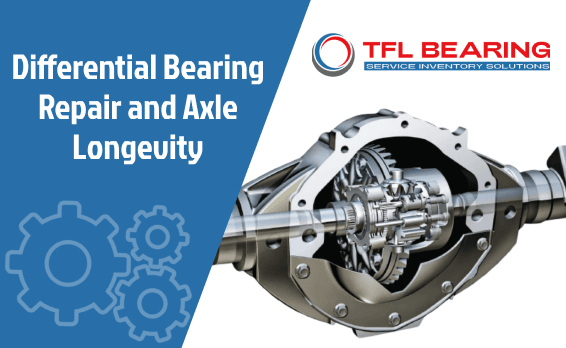
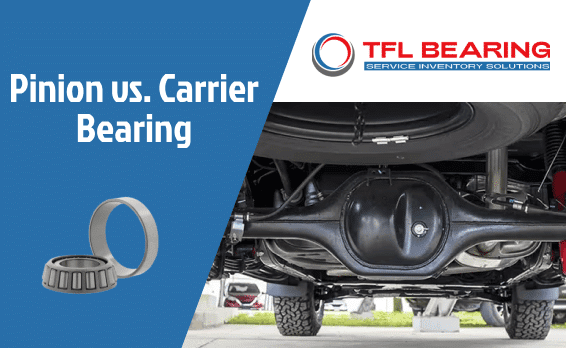
- Differential & Drive Axle Bearings: Typically tapered roller bearings, these are engineered to manage heavy combined loads. Their ability to handle significant axial thrust from ring and pinion gears is what prevents drivetrain misalignment and premature gear wear.
TFL Bearing supplies a comprehensive range of these solutions, focusing on optimized internal geometries that distribute stress evenly across the raceways, thereby eliminating “hot spots” that lead to early fatigue.

Performance Capabilities: What It Can Do For Your Operations
In the high-stakes automotive industry, a bearing’s performance is measured by its impact on the vehicle’s total cost of ownership and operational efficiency. TFL Bearing solutions are engineered to deliver measurable advantages in three critical areas:
- Extended Service Intervals: By utilizing high-purity bearing steel (carbon-chromium) subjected to advanced vacuum degassing, our bearings exhibit superior resistance to surface-initiated fatigue. This translates to reduced machine downtime and fewer replacements for commercial fleets.
- Optimized Energy Efficiency: For Electric Vehicles (EVs), every watt counts. Our low-friction torque designs minimize energy loss within the drivetrain, directly contributing to increased battery range and reduced thermal buildup in high-speed motor applications.
- Superior NVH Control: Through precision grinding and super-finishing of the raceways, TFL bearings achieve significantly lower vibration levels. This ensures a quieter cabin environment, a key metric for modern passenger vehicles.
Whether navigating the stop-and-go stress of urban logistics or the high-speed requirements of highway transit, our supply network ensures that every component is built to withstand extreme radial loads and maintain stability under high centrifugal forces.
Configuration & Customization Options: Precision for Every Application
Automotive environments vary from the frigid temperatures of Arctic transit to the intense heat of engine compartments. To meet these diverse demands, TFL Bearing provides a wide array of technical configurations designed to optimize performance:- Radial Internal Clearance: Available in C2, CN, C3, and C4. While C3 is the standard for most drivetrain applications to account for thermal expansion, high-speed EV motors may require specialized clearances to maintain stability.
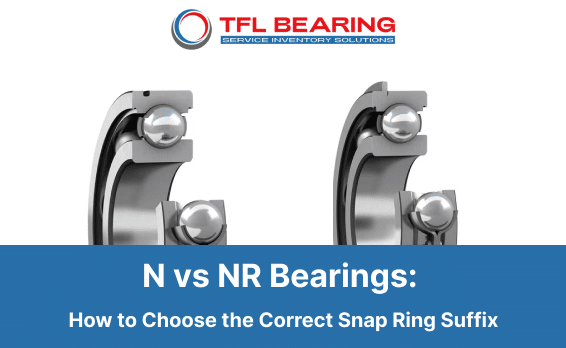
- Advanced Sealing Solutions: Choose from ZZ (Metal Shields) for low-friction operation in protected environments, or 2RS/LLU (Contact Seals) for maximum protection against road splash and debris.
- High-Performance Lubrication: We offer specialized polyurea and lithium-based greases rated for temperatures ranging from -40°C to +150°C, ensuring consistent viscosity and wear protection.
💡 Expert Insight: Jessica Jia, Chief Technical Advisor
“In automotive hub assemblies, I often see engineers prioritize maximum seal tightness to combat water ingress. However, excessive seal friction can lead to rapid heat buildup and grease thinning. For optimal longevity, consider low-friction ‘labyrinth’ contact seals paired with a high-viscosity synthetic grease; this balance maintains protection without sacrificing energy efficiency or bearing life.”
TFL Bearing Quality & Global Supply Readiness
In the automotive supply chain, consistency is not just an advantage—it is a requirement. TFL Bearing operates a sophisticated supply network designed to bridge the gap between high-volume OEM requirements and the urgent needs of the aftermarket. Our commitment to quality is anchored in international standards that ensure every bearing meets the rigorous demands of modern vehicle systems.
- IATF 16949:2016 Certified Systems: Our supply partners and quality management protocols are strictly aligned with IATF 16949 standards. This automotive-specific certification ensures that we prioritize defect prevention and the reduction of variation and waste in the supply chain.
- ISO 9001:2015 Compliance: Beyond automotive-specific metrics, our overall quality management system is ISO 9001 certified, guaranteeing standardized processes from initial inquiry to final delivery.
- Ready-to-Ship Inventory: We maintain a strategic stock of high-demand automotive bearings, including hard-to-find differential and transmission sets. This allows our clients to maintain lean operations without the risk of extended lead times.
By leveraging our premium bearing solutions, procurement managers can achieve a strategic balance: the high-precision performance of tier-1 brands like SKF or Timken, combined with the supply agility and cost-efficiency required to stay competitive in today’s global market.
Real-World Applications: From Heavy-Duty Fleets to Electric Power
The true value of a bearing is proven in the field. TFL Bearing has a track record of providing high-performance solutions across various automotive sectors, helping partners overcome technical hurdles and optimize drivetrain reliability.
- Commercial Logistics Fleet (North America): A major logistics provider faced premature differential pinion bearing failures in their Class 8 trucks, leading to an average of three days of unscheduled downtime per vehicle. TFL Bearing supplied a customized set of tapered roller bearings with enhanced surface finishing and C3 clearance. The result was a 40% increase in mean time between failures (MTBF), significantly reducing maintenance overhead.
- EV Motor Startup (Europe): During the prototyping of a high-RPM electric drive unit, the client experienced overheating and noise issues at speeds exceeding 15,000 RPM. We provided specialized EV motor bearings featuring ceramic hybrid balls and high-speed polymer cages. These components effectively lowered operating temperatures by 12°C and met the strict NVH requirements for premium passenger vehicles.
For more technical details on optimizing your drivetrain, explore our deep dive into Pinion vs. Carrier Bearing configurations or read our guide on Automotive Bearing Failure Analysis to prevent common installation errors.
Upgrade Your Automotive Supply Chain Today
Whether you are looking for IATF 16949 compliant components for OEM production or reliable alternatives for the aftermarket, TFL Bearing delivers precision and speed.
RELATED ARTICLES