








Thrust Ball Bearings

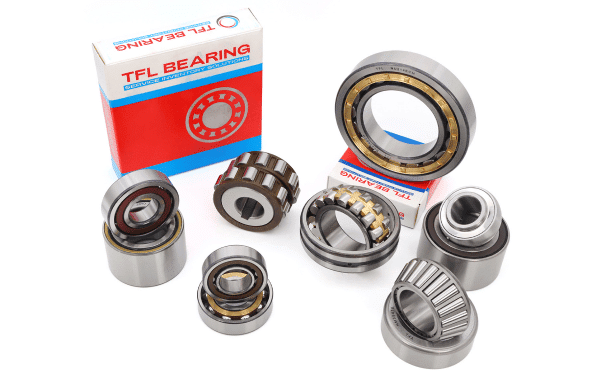
TFL supplies axial thrust ball bearings for applications that require smooth rotation under axial load, including vertical shaft assemblies, machinery supports, and industrial positioning systems. Our thrust ball bearing range includes miniature thrust ball bearings, metric single direction designs, double direction bearings, outside band options, and self-aligning types.
 
We help customers source standard alternatives to mainstream bearing brands, as well as custom and OEM thrust bearing solutions for special sizes, packaging, or application requirements.
Thrust ball bearings, Axial thrust bearings, Industrial thrust bearings, Precision thrust ball bearings, Thrust ball bearings from TFL
Home / Product / Ball Bearings / Thrust Ball Bearings

Understanding Ball Thrust Bearings

Ball thrust bearings utilize rolling balls sandwiched between two washer-like rings (raceways) to significantly reduce friction under thrust load. This design distinguishes them from simpler thrust washers (which are plain bearings) by using rolling elements for smoother operation and higher load capacity.

Thin Section Bearings Category

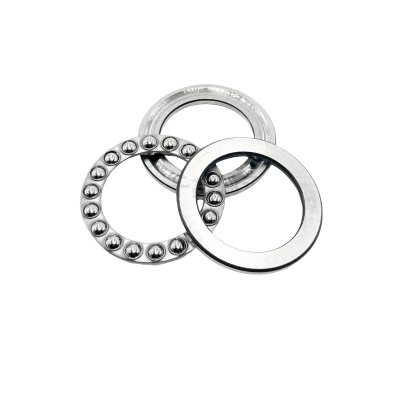
The image shows the structure of single direction thrust ball bearing

Managing Thrust Load: The Core Function

The fundamental difference between bearing types often comes down to load direction (radial load vs axial load).
Thrust ball bearings excel at handling thrust load (axial load). How does a thrust bearing work?
In essence, the axial force applied to one ring is transferred through the rolling balls to the opposing ring, allowing rotation with minimal resistance under that specific load direction. They are generally not suitable for significant radial loads.

Thrust Bearing Types and Configurations

The most common are single-direction (handling thrust in one direction) and double-direction (handling thrust in both directions).
TFL also offers specialized types, such as those with self-aligning seat washers to accommodate initial misalignment or those with outside bands for specific mounting requirements. Components typically include a shaft washer, a housing washer (sometimes functionally referred to when asking what is a cup on a thrust bearing, referring to the grooved housing ring), and the ball-cage assembly.

Common Thrust Bearing Application Areas

The primary thrust bearing usage and thrust bearing uses are found where axial loads dominate.
Typical thrust bearing application examples include automotive transmissions and differentials (sometimes as rear or mid thrust bearings), machine tool spindles, indexing tables, screw jacks, and industrial gearboxes. Choosing the correct TFL thrust ball bearing is critical for the longevity and efficiency of these systems.

APPLICATION AREA

Precision Bearings for Medical Technology

Medical Bearings

Quiet, hygienic, and precise bearings designed for MRI scanners and surgical robots ensure reliability in critical medical environments.

image shows several Agricultural equipment

Agricultural Bearings

Heavy-duty agricultural bearings resist dust and mud, providing long-lasting reliability for tractors and harvesters in tough field operations.

Machine Tool Spindle Bearings

Industrial Bearings

Versatile industrial bearings enhance energy efficiency and stability in electric motors, pumps, and gearboxes across manufacturing sectors.
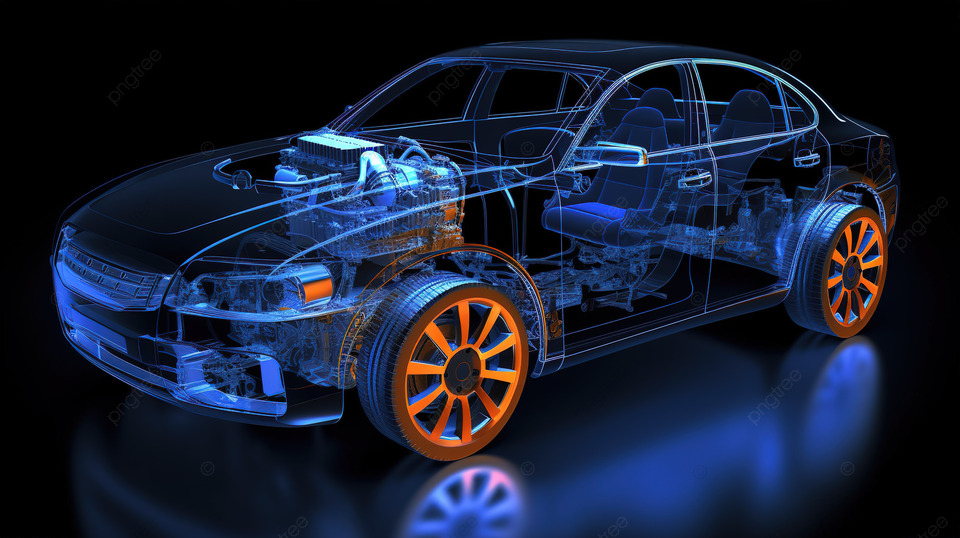
image shows a car

Automotive Bearings

High-performance automotive bearings for wheel hubs and drivetrains improve fuel efficiency and ensure smooth, safe vehicle operation in modern cars.
Have a Question?

SPEAK WITH AN EXPERIENCED TEAM MEMBER

INTERCHANGEABLE BRANDS

TFL Bearings: High quality bearings, an ideal choice to replace SKF and FAG.

Comprehensive bearing supply chain integration products

One-Stop Supply Chain Integration

Simplify your vendor management. As an integrated supplier, we consolidate diverse bearing requirements into a single, efficient channel. We manage inventory, quality control, and global logistics to save you time.

View Cross-Reference Guide
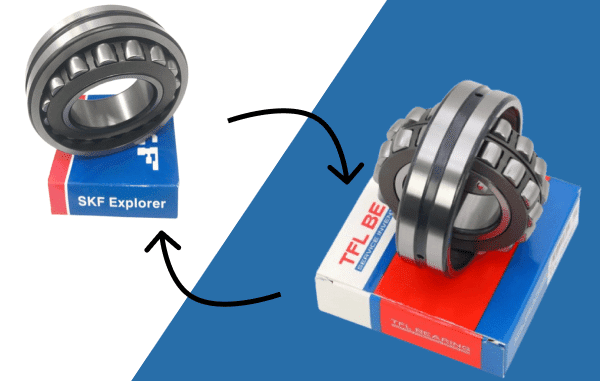
Visual demonstration of 100% interchangeable bearing equivalents

100% Interchangeable Brand Equivalents

Why pay a premium for a brand name? We provide precision-engineered, cost-effective equivalents for major global brands. Get the exact same dimensions, load capacities, and lifespan without compromising performance.

Explore Our Catalog
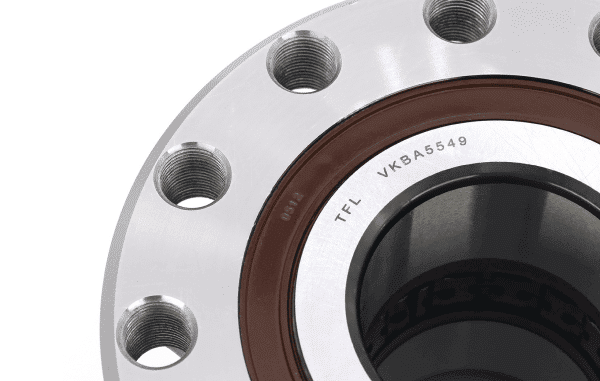
Close-up of a precision TFL bearing showing certified manufacturing standards

Certified Quality & Compliance

Trust is built on verified quality. Our manufacturing processes are strictly ISO 9001 certified, ensuring consistent, defect-free production. All our products are fully RoHS and REACH compliant.

Contact for Compliance Details

Thrust Ball Bearings for Axial Load Applications


TFL supplies axial thrust ball bearings for applications that require smooth rotation under axial load, including vertical shaft assemblies, machinery supports, rotary tables, and industrial positioning systems. Our range includes miniature thrust ball bearings, thrust ball bearings with outside band, self-aligning thrust ball bearings, metric single direction thrust ball bearings, and double direction thrust ball bearings.

What Are Thrust Ball Bearings?

Thrust ball bearings are designed to support axial loads in one or two directions while allowing smooth, low-friction rotation. Unlike deep groove ball bearings, which are mainly used for radial loads, thrust ball bearings are selected when the main force acts along the shaft direction.

A typical thrust ball bearing includes a shaft washer, a housing washer, and a ball-and-cage assembly. This structure helps separate rotating and stationary parts while carrying axial force. For applications with higher alignment requirements, self-aligning thrust ball bearing designs can help reduce the effect of minor mounting errors.

Common Types of Thrust Ball Bearings We Supply

TypeTypical UseSelection Notes
Miniature Thrust Ball BearingsCompact assemblies, instruments, small mechanical systemsUsed where axial load is light and installation space is limited.
Thrust Ball Bearing With Outside BandApplications requiring added positioning or housing supportSelected when the mounting structure needs additional external guidance.
Self-Aligning Thrust Ball BearingsEquipment with minor shaft or housing misalignmentHelps reduce the effect of small mounting errors.
Metric Single Direction Thrust Ball BearingsAxial load in one directionCommon choice for standard metric axial bearing replacement.
Double Direction Thrust Ball BearingsAxial load from both directionsSuitable when the shaft may receive axial force from two sides.

Thrust Ball Bearing Applications

Thrust ball bearing applications are usually related to axial load control, shaft positioning, and smooth rotational movement. They are often used in vertical shaft systems, rotary tables, machine tools, steering systems, lifting mechanisms, gear assemblies, and other equipment where the bearing must carry load along the shaft axis.

For customers searching for a thrust bearing for vertical shaft applications, the correct bearing choice depends on shaft diameter, axial load direction, speed, installation space, lubrication, and whether the application requires single direction or double direction support.

Selection Insight

Thrust ball bearings are mainly designed for axial loads. If your application also has significant radial load, vibration, or high misalignment, it is better to confirm the working condition before selecting a standard thrust ball bearing.

How to Choose an Axial Thrust Ball Bearing

When selecting an axial ball thrust bearing, the first step is to confirm the load direction. If the load acts in only one direction, a metric single direction thrust ball bearing is usually suitable. If axial force may come from both directions, a double direction thrust ball bearing should be considered.

Other important factors include bore size, outside diameter, washer type, speed requirement, available mounting space, operating temperature, lubrication method, and replacement bearing number. For standard metric single direction thrust ball bearings, customers often search by bearing numbers such as 51104, 51206, 51310, or larger sizes such as 51344 metric single direction thrust ball bearing.

If you already have an existing bearing number, you can use our thrust ball bearing cross reference chart to compare common FAG-style numbers and find a suitable replacement.

Reference to FAG-style bearing numbers is used only for size and interchange comparison. TFL supplies replacement and alternative thrust ball bearings and does not claim that these products are original FAG bearings unless explicitly stated.

Why Source Thrust Ball Bearings from TFL?

TFL helps customers source standard and custom thrust ball bearings from qualified bearing factories. We provide alternatives to mainstream bearing brands and support common standard sizes, non-standard designs, OEM requirements, and custom packaging.

After confirming the bearing number, size, drawing, sample, or application requirement, we match the order with suitable factory resources. Once the goods arrive, our team checks the model information, quantity, appearance, packaging, and basic quality requirements before arranging unified shipment to the customer.

Need Help Matching a Thrust Ball Bearing?

Send us your bearing number, drawing, sample photo, or application details. TFL can help compare dimensions, confirm replacement options, and arrange standard or custom sourcing.

Request Bearing Support

FREQUENTLY ASKED QUESTIONS

an image showing FAQ

Is a thrust ball bearing the same as a thrust washer?

No. A thrust ball bearing is a rolling-element bearing using balls to reduce friction under axial load.
A thrust washer (or thrust washer bearing) is a type of plain bearing – typically a flat ring of material (like bronze, plastic, or hardened steel) that provides a sliding surface to handle axial loads, generally suitable for lower speeds or oscillating movements where rolling elements aren't required.

What is the main purpose of a thrust ball bearing?

The primary thrust bearing purpose is to support axial loads (loads parallel to the shaft axis) while allowing rotation with low friction. They are specifically designed to manage thrust load, not significant radial load.

What's the difference between axial load and radial load?

Radial load acts perpendicular to the shaft's axis (like the force on a wheel bearing from the vehicle's weight). Axial load (or thrust load) acts parallel to the shaft's axis (like the force on a drill bit as it pushes into material). Thrust ball bearings are designed for axial load.

How do thrust ball bearings work?

Thrust ball bearings manage thrust load by using balls to reduce friction between races, supporting axial load efficiently. Learn more in TFL’s thrust bearing article.