








Bearings operate at the core of rotating machinery, and their ability to perform reliably depends not only on internal design but also on how well they are protected from contamination. Among the most common protection methods are shields and seals, which are designed to keep dirt, moisture, and debris out of the bearing while retaining lubricant inside. The choice between shielded vs sealed bearings is a critical decision that affects bearing life, efficiency, and maintenance requirements. Understanding how these two protection types differ helps engineers and maintenance professionals select the most appropriate bearing for each application.
What Are Shielded Bearings
Shielded bearings use thin metal shields fitted into the bearing’s outer ring to provide a basic level of protection. These shields are typically non-contact designs, meaning they do not touch the inner ring. A small gap exists between the shield and the inner ring, allowing the bearing to rotate freely with minimal friction.
Because the shield does not contact the rotating components, shielded bearings maintain low torque and are well suited for higher-speed applications. However, the gap also means that shields offer limited protection against fine dust, moisture, or liquids.

What Are Sealed Bearings
Sealed bearings use elastomeric or polymer seals that make contact with the inner ring. This contact design creates a tight barrier that effectively prevents contaminants from entering the bearing while also retaining lubricant.
Sealed bearings provide superior protection compared to shielded bearings, especially in environments exposed to dust, water, or chemicals. The trade-off is slightly higher friction due to seal contact, which can reduce maximum speed capability and increase operating temperature.

Structural Differences Between Shields and Seals
The primary structural difference between shielded and sealed bearings lies in the material and contact design. Shields are usually made from steel or stainless steel and are rigid, while seals are made from flexible materials such as nitrile rubber, polyurethane, or other synthetic elastomers.
Shields rely on close clearance to block larger particles, whereas seals rely on physical contact to create a more effective barrier. This fundamental difference directly influences bearing performance in terms of speed, protection, and durability.
Contamination Protection Capabilities
Contamination is one of the leading causes of bearing failure. Shielded bearings offer moderate protection against larger particles such as metal chips or coarse dust. However, they are less effective against fine dust, moisture, or corrosive substances.
Sealed bearings provide a higher level of contamination protection. The contact seal prevents most solid particles and liquids from entering the bearing, making sealed bearings ideal for harsh or dirty environments. This enhanced protection significantly extends bearing service life in challenging conditions.
Lubricant Retention and Bearing Life
Lubricant retention is another key factor when comparing shielded vs sealed bearings. Shielded bearings allow some lubricant leakage over time due to the clearance gap. In clean environments, this may not be a concern, but in long-term or low-maintenance applications, lubricant loss can shorten bearing life.
Sealed bearings excel at retaining lubricant. The contact seal keeps grease inside the bearing, reducing the need for relubrication and supporting long-term, maintenance-free operation. This makes sealed bearings especially suitable for applications where regular maintenance is difficult or impractical.
Speed Performance and Friction Considerations
Speed capability is often a deciding factor in bearing selection. Shielded bearings, with their non-contact design, generate minimal friction and are capable of operating at higher speeds. They are commonly used in electric motors, fans, and precision equipment where efficiency and speed are priorities.

Sealed bearings generate slightly higher friction due to seal contact. While modern seal designs minimize this effect, sealed bearings generally have lower maximum speed ratings compared to shielded bearings. In high-speed applications, this difference must be carefully considered.
Temperature Effects on Shields and Seals
Operating temperature influences the performance of both shielded and sealed bearings. Metal shields are relatively insensitive to temperature changes and maintain their shape and clearance over a wide range of temperatures.
Seals, being made from elastomeric materials, are more sensitive to temperature extremes. High temperatures can cause seal hardening or degradation, while very low temperatures may reduce seal flexibility. Selecting seal materials compatible with the operating temperature range is therefore essential.
Typical Applications for Shielded Bearings
Shielded bearings are commonly used in clean, controlled environments where contamination risk is low. Typical applications include electric motors, office equipment, household appliances, and precision instruments.
In these applications, the benefits of low friction and high-speed capability outweigh the need for maximum contamination protection. Shielded bearings are also preferred where heat generation must be minimized.
Typical Applications for Sealed Bearings
Sealed bearings are widely used in environments exposed to dust, moisture, or chemicals. Examples include agricultural machinery, construction equipment, conveyors, and outdoor installations.
Automotive wheel hubs, pumps, and material handling systems also frequently use sealed bearings due to their ability to operate reliably with minimal maintenance. In these applications, protection and lubricant retention are more important than achieving maximum speed.
Maintenance and Service Life Implications
Maintenance strategy plays a major role in choosing between shielded and sealed bearings. Shielded bearings may require periodic relubrication or inspection, especially in applications with longer service intervals.
Sealed bearings are often designed as maintenance-free units. Their ability to retain lubricant and exclude contaminants reduces the need for ongoing maintenance, resulting in lower lifecycle costs in many applications.
Bearing Seal and Shield Codes
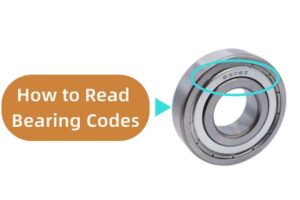
Bearing manufacturers use standardized codes to indicate the type of seal or shield used. Common codes identify whether a bearing has shields on one or both sides or seals on one or both sides. Understanding these codes is essential for correct bearing selection and replacement.
Incorrect interpretation of seal or shield codes can result in installing a bearing with insufficient protection or unsuitable speed capability. Technical references explaining bearing seal types and identification codes, such as those provided by SDTFL Bearing, help users avoid selection errors.
| Code (last letters) | Description |
|---|---|
| Z | One side shielded |
| ZZ | Both sides shielded |
| RS | One side sealed |
| 2RS | Both sides sealed |
| V | One side non contact seal |
| VV | Both sides non contact seal |
| DDU | Both sides contact seals |
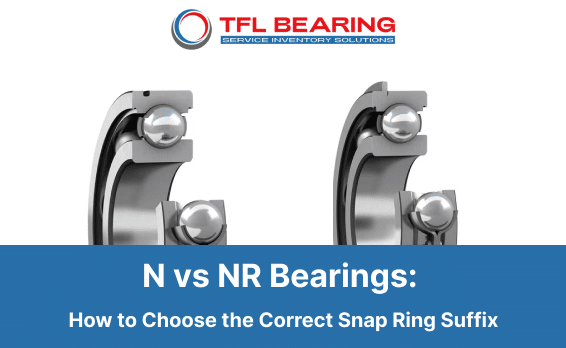
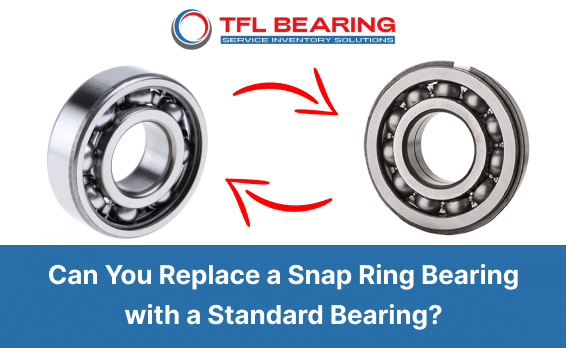
| NR | Snap ring and groove |
| M | Brass cage |
Energy Efficiency and Power Consumption
Bearing protection design also affects energy efficiency. Shielded bearings typically offer lower rotational resistance, which can contribute to improved energy efficiency in high-speed systems.
Sealed bearings, while slightly less efficient due to seal drag, often compensate through improved reliability and reduced downtime. The overall energy impact should be evaluated within the context of the entire system rather than focusing solely on bearing friction.
Noise and Vibration Performance
Noise and vibration characteristics differ between shielded and sealed bearings. Shielded bearings generally produce less noise due to lower friction and absence of seal contact. This makes them suitable for noise-sensitive applications.
Sealed bearings may generate slightly more noise, especially as seals wear over time. However, modern seal designs have significantly reduced this difference, making sealed bearings acceptable for most industrial applications.
Cost Considerations
Cost is another factor influencing bearing selection. Shielded bearings are typically less expensive than sealed bearings due to simpler construction. For large-scale applications in clean environments, this cost difference can be significant.
Sealed bearings generally have a higher initial cost but often deliver lower total cost of ownership by reducing maintenance and extending service life in contaminated environments.
Selecting Between Shielded and Sealed Bearings
Choosing between shielded vs sealed bearings requires evaluating operating environment, speed, load, temperature, and maintenance strategy. There is no universal solution, as each application has unique requirements.
In clean, high-speed environments, shielded bearings often provide the best balance of performance and efficiency. In dirty, wet, or maintenance-limited environments, sealed bearings offer superior reliability and longevity.
Future Developments in Bearing Protection
Advancements in materials and seal design continue to improve bearing performance. Low-friction seals, enhanced elastomers, and hybrid protection designs are narrowing the performance gap between shielded and sealed bearings.
These developments allow sealed bearings to operate at higher speeds and temperatures than before, expanding their applicability across a broader range of industries.
Conclusion
The comparison of shielded vs sealed bearings highlights important trade-offs between speed, protection, maintenance, and cost. Shielded bearings offer low friction and high-speed capability in clean environments, while sealed bearings provide superior contamination protection and lubricant retention in harsh conditions.
Understanding these differences enables engineers and maintenance professionals to make informed bearing selection decisions that optimize performance, reliability, and lifecycle cost. By matching bearing protection type to application requirements, organizations can achieve more efficient and dependable mechanical systems across a wide range of industrial uses.
Need Help Choosing Between ZZ and 2RS?
Selecting the wrong protection type—Shielded vs Sealed Bearings—is a common cause of unexpected downtime. Whether you need high-speed shielded bearings for electric motors or heavy-duty sealed units for agricultural machinery, SDTFL Bearings has the right solution in stock.
We manufacture premium Ball Bearings with various closure options to match your specific operating environment.
View Ball Bearing CatalogConsult Our Engineers
Direct Contact: 📧 [email protected] | 📞 +86 15806631151