







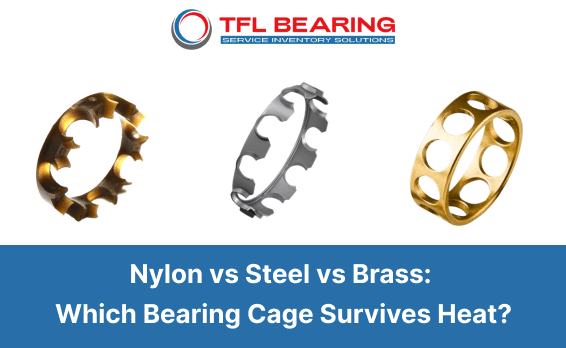
Nylon vs Steel vs Brass: Which Bearing Cage Survives Heat?
Compare Nylon (TN9), Pressed Steel, and Machined Brass (M) bearing cages under high heat. Explore 4 practical case scenarios to prevent premature cage failure.
Read articleBrowse bearing solutions by equipment, operating environment and industry.
Practical guidance on bearing selection, applications, maintenance and sourcing.
Compare Nylon (TN9), Pressed Steel, and Machined Brass (M) bearing cages under high heat. Explore 4 practical case scenarios to prevent premature cage failure.
Read articleFind answers about quality, orders, technical support and after-sales service.
Use our articles, reference tools and customer resources to support sourcing decisions.

Understanding flanged sleeve bearing dimensions is critical for ensuring proper fit and load handling. This guide breaks down ID, OD, and flange sizing for engineers.

Explore the structural differences between cage and cageless needle roller bearings to optimize industrial machinery performance. This analysis helps engineers balance radial load capacity against speed requirements for long-term reliability.
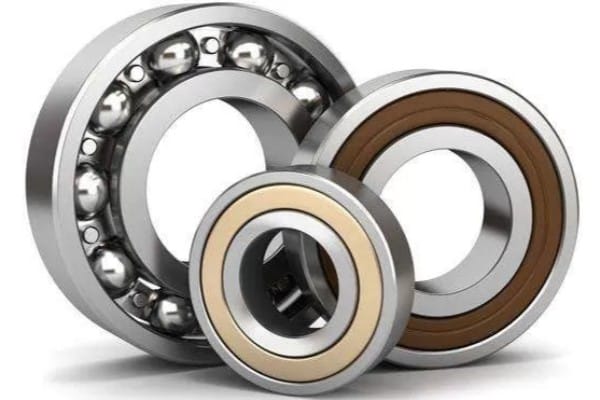
Choosing between shielded and sealed bearings impacts machine longevity and efficiency. This article details their structural differences to help you select the right protection for your application.
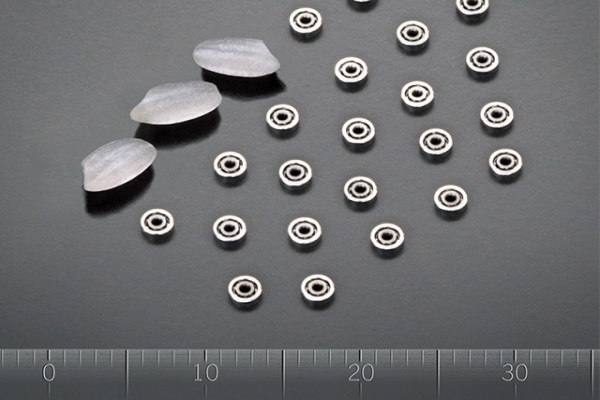
This article explores the essential characteristics, benefits, and applications of miniature ball bearings, offering a detailed guide on selecting the correct specifications for high-speed and compact precision machinery.
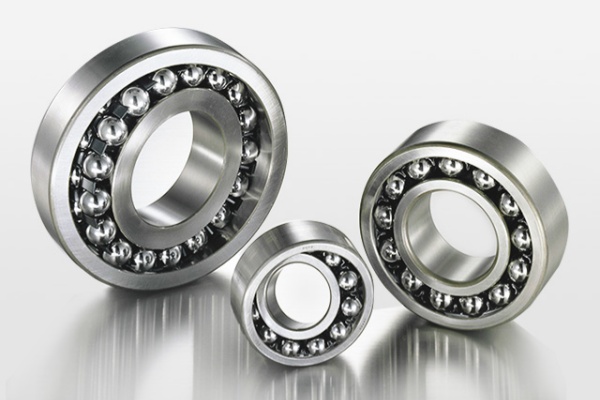
This guide explores the design and function of self-aligning ball bearings, highlighting their ability to accommodate angular misalignment in precision machinery. It covers load capacity, speed benefits, and selection criteria to help engineers ensure operational stability.
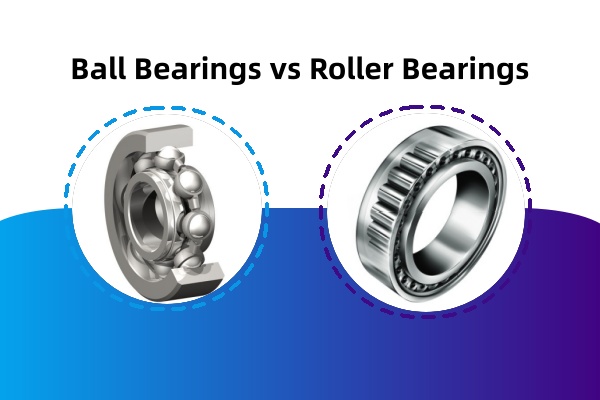
This guide analyzes the structural and functional distinctions between ball bearings and roller bearings, providing engineers and procurement teams with essential insights on load capacity, speed limits, and durability to ensure the correct selection for specific industrial applications.