







Electrical erosion is a main reason bearings fail in wind turbines. This can cause expensive stops and repairs that are not planned. Wind turbine insulated bearings stop stray currents. They keep electrical bearing damage from happening. In many wind farms, operators have about 5.5 electrical problems for every 10 machine-years. Each problem makes the turbine stop working for about 1.5 days.
Aspect | Electrical Equipment |
|---|---|
| Failure Rate | ~5.5 incidents/10 machine-years |
| Average Downtime per Incident | ~1.5 days |
| O&M Cost Range | €7-26 per MWh |
Wind turbine insulated bearings make turbines more reliable. They help reduce downtime and lower maintenance costs. They do this by stopping electrical erosion and making bearings last longer.
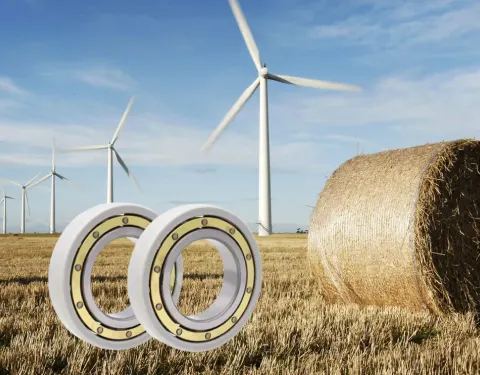
Key Takeaways
- Electrical erosion hurts wind turbine bearings when stray currents get through. This can cause expensive stops and repairs.
- Insulated bearings have ceramic coatings or ceramic balls. These block electrical currents and keep bearings safe from harm.
- Hybrid bearings are best for fast and hot places. Ceramic-coated bearings give better insulation for high-voltage needs.
- Using insulated bearings with shaft grounding rings gives the best protection. This helps stop turbine failures.
- Insulated bearings help bearings last longer. They also lower repair costs and make turbines work better.
Electrical Erosion Risks
Causes of Electrical Erosion
Shaft voltage is very important in this process. It makes an electric field between bearing parts. This causes electrical discharges that go through the lubricant film. These discharges get very hot. They make pits and damage the surface. When the voltage is too high, the lubricant film breaks down. Then, metal parts touch each other. This raises the chance of bearing failure. Electrical erosion and wear keep happening. The damage gets worse over time.
Wind turbines can get damaged by electrical erosion. This happens mostly because of current leakage. The main power converter and the pitch converter make most of these currents. These converters use back-to-back dual PWM technology. They create common-mode voltage that builds up on the turbine shaft. When the charge gets too high, it breaks through the lubricant film. Then, current leaks through the bearings. This causes electrical erosion on the balls and raceways. The electric pitch system connects to the main shaft. It also adds to current leakage and electrical erosion. As wind turbines get more powerful, the voltage goes up. This makes current leakage and high voltage even worse.
Effects on Bearings
Electrical erosion can hurt wind turbine bearings in many ways. The most common problems are electrical pitting and fluting. Electrical pitting looks like small melted pits in the rolling direction. Fluting makes ridges on the race wall like a washboard. These patterns come from current leakage and high voltage. They cause melting and take away material. Over time, this damage makes the turbine shake more. The lubricant gets worse. The generator can even fail.
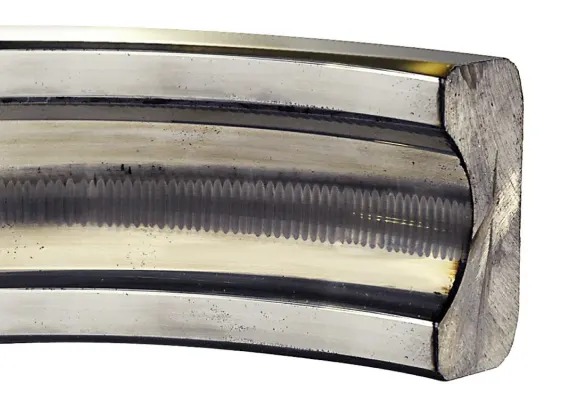
Bearings do not last as long when there is electrical erosion. Electrical discharge hurts the rolling surfaces and ruins the lubricant. This causes more wear and early bearing failure. When experts check the damage, they often see fusion craters and fluting. This shows that electrical erosion happened. Using insulated and hybrid bearings can help. They lower current leakage and high voltage. This makes turbines more reliable and lets them work longer.
Wind Turbine Insulated Bearings
Insulation Mechanisms
Wind turbine insulated bearings are important for keeping bearings safe. They stop current leakage that can hurt bearing surfaces. These bearings use special insulation to block electrical currents. The insulation keeps the bearing safe from electrical erosion. It also helps the power system run well.
Manufacturers use two main ways to insulate wind turbine bearings:
- The first way is to coat the inner ring bore with a special material like aluminum oxide. This coating acts like a shield and stops current from leaking. How thick and strong the coating is changes how well it works. If the coating gets scratched or worn out, current can still leak and damage the bearing.
- The second way is to use hybrid bearings with ceramic balls made from silicon nitride or zirconium oxide. These ceramic balls do not let electricity pass through. This design keeps the bearing fully safe from current leaks and gives strong protection.
Note: Before using the bearing, manufacturers test its insulation resistance. They use a DC voltage of 1000V and check that the resistance is at least 100 megaohms. This test helps find weak spots and makes sure the bearing will work well in the field.
Industry rules say wind turbine insulated bearings must have insulation resistance of at least 2,000 megaohms. This high insulation level stops electrical arcing and early failure. Some systems also use bearing-protection rings with tiny fibers that guide stray currents away from the bearing.
Hybrid vs. Coated Bearings
There are two main types of wind turbine insulated bearings: hybrid bearings and ceramic-coated bearings. Both types stop current leaks and protect the bearing, but they work in different ways.
| Property | Hybrid Bearings (Silicon Nitride) | Ceramic-Coated Bearings (Alumina) |
|---|---|---|
| Insulation Mechanism | Ceramic balls block current leakage | Alumina coating on rings blocks current |
| Electrical Insulation | Good, but less than coated bearings | Superior, up to 1000V DC |
| Durability | Excellent for high speed and heat | High wear and corrosion resistance |
| Application | Best for harsh, high-speed environments | Best for maximum insulation needs |
Hybrid bearings have silicon nitride balls and steel rings. The ceramic balls have very high resistance, so they stop current leaks and protect the bearing. These bearings work well in fast, hot, and tough places. They also resist wear and sudden temperature changes.
Ceramic-coated bearings have a layer of alumina or zirconia on the rings. This coating is about 0.2 to 0.4 millimeters thick. It gives strong electrical insulation and keeps the bearing steady over time. Alumina-coated bearings can block shaft currents up to 1000V DC. They also keep their shape and resist wear, so they are a great choice for wind turbines.
Ceramic materials like silicon nitride and zirconia have much higher electrical resistance than polymer coatings. They also handle more heat and last longer. Polymer coatings, like rubber or polyurethane, only give moderate insulation and do not last as long.
Protection Methods Compared
Insulated Bearings vs. Other Solutions
Wind turbine operators use different ways to protect bearings from too much voltage. Insulated bearings stop electrical currents from going through the bearing. This helps prevent electrical erosion on the raceways. But insulation does not always give full protection. Sometimes, the current moves to other parts like gearboxes and causes damage there. Insulation can also get weaker over time because of wear, chipping, or moisture.
Shaft grounding devices, such as AEGIS shaft grounding rings, are another way to protect bearings. These rings have tiny fibers that let high-frequency shaft currents flow safely to the ground. This keeps the shaft voltage below 1 volt. Old grounding strings lower voltage but wear out fast. AEGIS rings last longer and have a two-year warranty against bearing fluting damage. Using both insulated bearings and shaft grounding rings gives the best protection. This stops both circulating and capacitive currents.
Tip: The best way to protect wind turbine bearings is to use both insulated bearings and shaft grounding rings. This keeps too much voltage from hurting bearings and other drivetrain parts.
Pros and Cons
| Method | Pros | Cons |
|---|---|---|
| Insulated Bearings | Stops current in bearing; less electrical erosion; longer bearing life | Can move current to other parts; insulation can wear out; does not stop all currents |
| Shaft Grounding Rings | Gives a safe path for shaft currents; lowers shaft voltage; lasts long; has warranty | Needs to be installed and checked; may not stop all high-frequency currents alone |
| Combined Approach | Gives full protection; stops both types of currents; best for bearings | Costs more at first; harder to install |
Wind turbine main bearings face special loads and damage from too much voltage. Regular bearings do not fix these problems. Insulated bearings block some currents and help keep the lubricant film. But they cannot stop all electrical discharge. Shaft grounding rings give a direct path for voltage to leave, so bearings stay safe. Using both methods gives the most protection. This means less downtime and longer service times. Operators who use both see fewer failures and better results, especially where the lubricant film breaks down fast.
Real-World Impact
Reliability Improvements
Operators notice better reliability after using insulated bearings. Studies show these bearings can last over twenty years. Before, they needed to be changed every three years. This means turbines break down less often. There is less time when turbines are not working. Turbines run more smoothly and need fewer emergency fixes.
Insulated bearings protect well against electrical erosion. They work even in tough places like near the ocean. Salt and wet air can cause rust and hurt the lubricant. Insulated bearings, with special materials and better seals, keep the bearings safe. Operators also use sensors to check temperature and special systems to add oil. These steps help stop overheating. These methods keep the bearings safe, even when the weather changes fast.
Operators who buy insulation products see turbines last longer. Turbines also work better, even in bad weather or wet places.
Maintenance and Cost Benefits
Insulated bearings save a lot of money over time. The table below shows the costs for regular and upgraded bearings:
| Scenario | Bearing Life | Replacement Cost | Downtime Cost | Total Cost of Ownership (TCO) | Notes |
|---|---|---|---|---|---|
| Standard Bearing (~3-year life) | ~3 years | $120,000 (6x $20,000) | $12,000 (6 days x $2,000) | $132,000 | Multiple replacements and downtime |
| Upgraded Bearing (7x life) | ~21 years | $22,000 (1x $22,000) | $2,000 (1 day x $2,000) | $24,000 | Includes coatings/materials for protection; 1 replacement only |
Operators can save up to $108,000 for each turbine. This is because upgraded bearings need fewer repairs and last longer. Spending a little more at first saves money later. There are fewer breakdowns and less risk of big damage. This makes insulated bearings a smart choice for the future.
Operators face some problems when adding new bearings. It can cost a lot at first. The work can be hard and needs special training. Even with these problems, more people want insulated bearings. They want their wind turbines to work better and last longer all over the world.
Wind turbine insulated bearings help stop electrical erosion. They also make turbines work better and last longer. Operators notice less downtime and spend less on repairs. Bearings also last longer. When picking insulated bearings, operators should think about:
- How well the insulation works and how much voltage it can handle
- How much weight the bearing can hold, its size, and what it is made of
- If it is put in the right way and uses good lubrication
Checking for shaking, watching the temperature, and doing regular checks help bearings last longer. TFL Bearings can help operators pick the right insulated bearings for wind turbines.
FAQ
What causes electrical erosion in wind turbine bearings?
Electrical erosion starts when stray currents move through the bearing. These currents come from the power converters in the turbine. They break the lubricant film and hurt the bearing surfaces.
How do insulated bearings prevent electrical damage?
Insulated bearings have ceramic coatings or ceramic balls. These materials stop electrical currents from passing through. The insulation keeps the bearing surfaces safe and helps them last longer.
Are hybrid bearings better than coated bearings?
Hybrid bearings have ceramic balls inside. Coated bearings have a special layer on the rings. Both types give strong protection. Hybrid bearings are good for fast-moving places. Coated bearings give better insulation resistance.
How often should operators inspect insulated bearings?
Operators need to check insulated bearings during regular maintenance. They should test vibration, temperature, and insulation resistance. These tests help find problems early and stop big failures.
Can insulated bearings eliminate all electrical problems in wind turbines?
Insulated bearings lower most electrical damage. They cannot stop every stray current. Using shaft grounding rings with insulated bearings gives the best protection for wind turbines.