









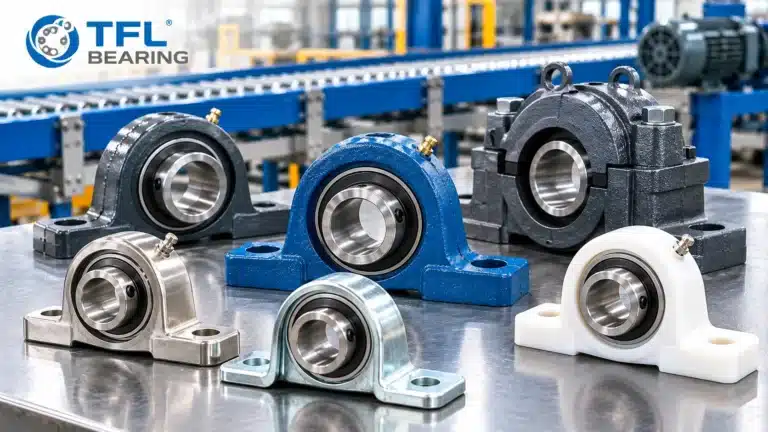


Self Aligning Ball Bearings

Self-aligning ball bearings use two rows of balls and a spherical outer-ring raceway to accommodate angular misalignment between the shaft and housing. TFL supplies replacement options across the 1200, 1300, 2200 and 2300 series, including open and sealed designs, cylindrical and tapered bores, and model-specific clearance and cage options. Buyers can compare bearing number, bore diameter, outside diameter, width, load ratings and speed in the product list, then confirm the complete designation for quotation. These bearings are commonly used in textile machinery, agricultural equipment, fans, conveyors and transmission shafts where some shaft-to-housing misalignment must be accommodated. TFL supports bearing distributors, importers and industrial resellers with mixed-model orders, cross-reference checking, OEM or neutral packaging, inspection requirements and consolidated shipment.

Design and Functionality of Self-Aligning Ball Bearings
Key Benefits and Typical Applications


Selection Considerations and Sizing
Self-Aligning Ball Bearing Selection and Distributor Sourcing Guide
How to Choose from the Product List
Start with the complete bearing number on the existing bearing, drawing or stock list. If the marking is incomplete, compare bore diameter (d), outside diameter (D) and width (B). Then check whether the bearing has a cylindrical or tapered bore, open or sealed construction, and any clearance or cage suffixes. Load, speed, temperature and expected misalignment are useful when the original designation alone is not enough to confirm the required specification.Selection Note for Distributors
The complete designation is normally more useful than the base bearing number alone. Models with the same bore can differ in outside diameter, width, bore type, seals, clearance or cage. Send the part number and quantity first; additional dimensions or application details can be added when needed for confirmation.Common Series and Model Range
Available models include the main 1200, 1300, 2200 and 2300 series, together with selected small-bore and extended-inner-ring designs. Series numbers represent different dimensional arrangements, so bearings with the same nominal bore may have different outside diameters, widths and load ratings.| Series | Listed Example | Dimensions, d × D × B | RFQ Check |
|---|---|---|---|
| 1200 | 1205 EKTN9/C3 | 25 × 52 × 15 mm | Confirm tapered bore, cage and C3 clearance. |
| 1300 | 1306 ETN9 | 30 × 72 × 19 mm | Confirm dimensions, cage and required clearance. |
| 2200 | 2205 E-2RS1TN9/C3 | 25 × 52 × 18 mm | Confirm sealed construction, clearance and width. |
| 2300 | 2308 EKTN9 | 40 × 90 × 33 mm | Confirm tapered bore, width and load requirements. |
Cylindrical vs Tapered Bore Selection
Cylindrical-bore bearings mount directly on a suitable cylindrical shaft seat. K-designated self-aligning ball bearings generally use a 1:12 tapered bore and can be mounted on a tapered shaft seat or on a cylindrical shaft with a compatible adapter sleeve. For a sleeve-mounted replacement, the complete bearing number is the best starting point; shaft diameter and sleeve reference can be added when the mounting arrangement also needs to be confirmed.Check the Shaft Size for Adapter Sleeve Mounting
The nominal bore of a tapered-bore bearing is not necessarily the diameter of the cylindrical shaft used with an adapter sleeve. If the sleeve reference is unknown, provide the shaft diameter together with the bearing number so the mounting arrangement can be checked.Open vs Sealed Designs and Internal Clearance
Open bearings allow the surrounding assembly to determine lubrication and contamination protection. Sealed self-aligning ball bearings are normally grease lubricated and help retain lubricant while reducing contaminant entry. Seal friction, permissible speed and allowable misalignment can differ from the open version, so the complete suffix should be retained in a replacement RFQ. Radial internal clearance should also be matched where specified. C3 means greater radial internal clearance than Normal; it is not a precision grade. CN, C3 or other clearance requirements should be confirmed from the original designation or application requirement.Model Code Example: 1205 EKTN9/C3
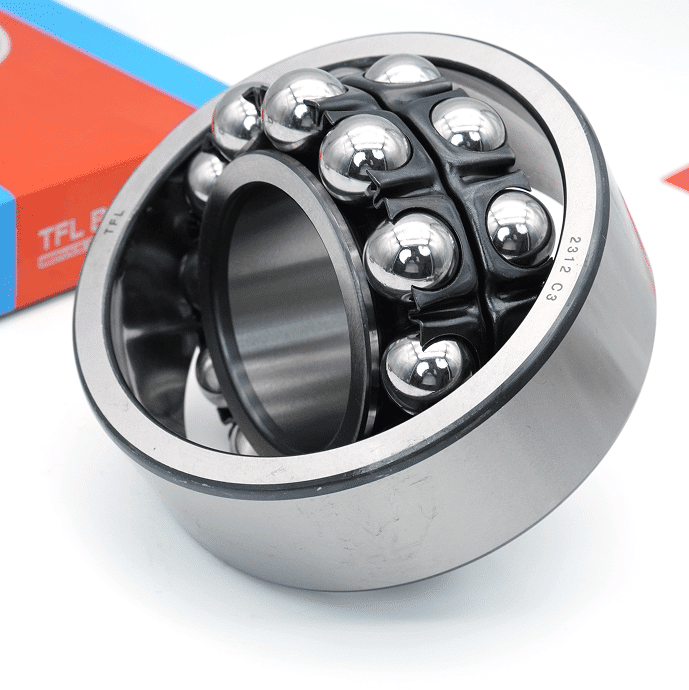
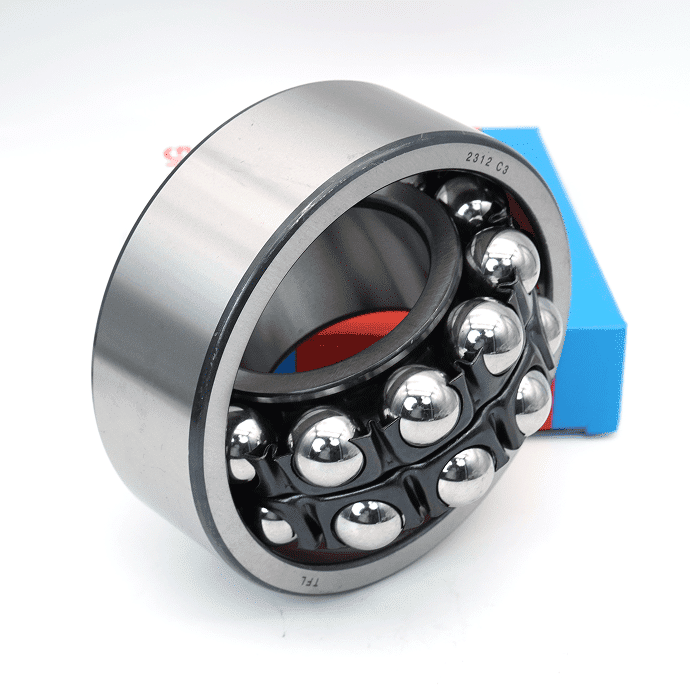
The listed 1205 EKTN9/C3 self-aligning ball bearing shows why the complete suffix matters. In this SKF-style designation, 12 identifies the bearing series and 05 corresponds to a 25 mm nominal bore. E identifies the optimized internal design, K a tapered bore, TN9 a glass-fibre-reinforced PA66 cage, and C3 radial internal clearance greater than Normal. These reference meanings help define the original requirement before the proposed TFL bearing is confirmed.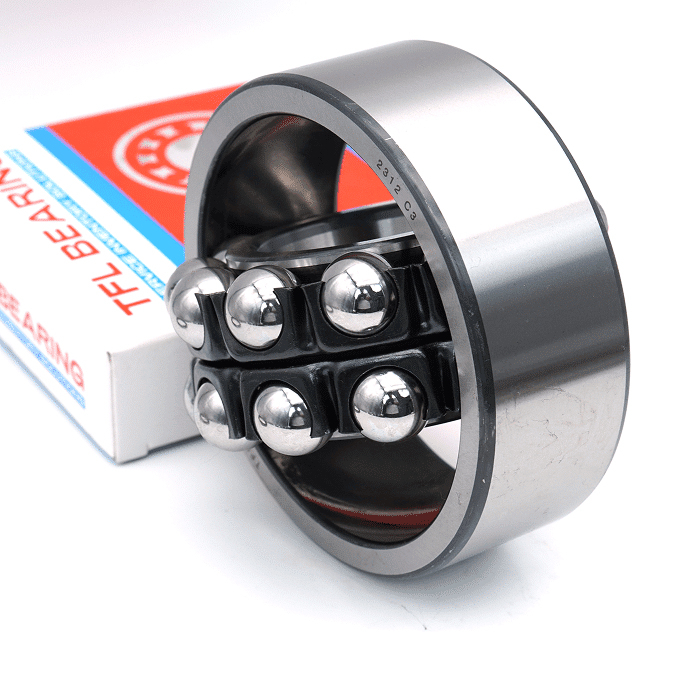
Key Information for a Quotation
You do not need to provide every item below before requesting a quote. The complete bearing number and quantity are often enough to begin. Additional dimensions, sleeve references or operating requirements help confirm the specification more quickly when the designation is incomplete or a special configuration is required.| Information | Why It Helps |
|---|---|
| Complete bearing number | Identifies the series, bore type and important suffix requirements. |
| Quantity | Allows price, MOQ and lead time to be confirmed with the quotation. |
| Bore × OD × width | Helps confirm dimensions when the designation is incomplete. |
| Cylindrical or tapered bore | Determines the required shaft or adapter-sleeve mounting arrangement. |
| Adapter sleeve reference | Useful when the tapered-bore bearing is mounted on a cylindrical shaft. |
| Clearance and cage | Helps match suffix-specific requirements such as C3 or TN9. |
| Open or sealed design | Confirms the required closure, lubrication and operating characteristics. |
| Packaging requirements | Allows OEM, private-label or neutral packing to be included in the quote. |
SKF, FAG and NSK Replacement Notes
Send the complete SKF, FAG or NSK reference, including prefixes and suffixes where available. TFL can compare dimensions, bore type, clearance, cage, sealing, load ratings and speed requirements before proposing an alternative. Brand designation systems are not identical, so the base number alone may not define the complete replacement requirement. Use our self-aligning ball bearing cross-reference chart to identify possible matches, then confirm the complete specification with the quotation.Common Applications
Self-aligning ball bearings are commonly used in textile machinery, agricultural equipment, fans, conveyors and transmission shafts where shaft deflection or housing alignment can create angular misalignment. They primarily carry radial loads and can accommodate limited axial loads, while permissible misalignment depends on the bearing design and surrounding arrangement. Read our self-aligning ball bearing design and application guide for additional technical background.Representative Models for Distributor RFQs
Examples include the 129 TN9 bearing, 9 × 26 × 8 mm, the 1205 EKTN9/C3 tapered-bore bearing, and the 1306 ETN9 bearing, 30 × 72 × 19 mm. These models illustrate different sizes and configurations within the range. Include the complete designation and quantity for each line in a mixed-model RFQ.Mixed-Model Orders and Distributor Supply
TFL supports bearing distributors, importers and industrial resellers that need several self-aligning ball bearing series or other bearing types in one order. Send a bearing list or BOM with part numbers and quantities, then add target price, required delivery date, packaging or special specifications where relevant. The quotation can include the proposed TFL products, important specification differences, price, MOQ and lead time. OEM, private-label and neutral packaging can be coordinated for confirmed orders, together with inspection requirements and consolidated shipment. Model numbers, quantities, visible condition, agreed specifications and packing are checked before shipment. Explore our wider ball bearing product range when preparing a mixed enquiry.Send Your Self-Aligning Bearing List
Send the complete bearing numbers and quantities to start your quote. Add sleeve references, dimensions, drawings or special requirements where needed for replacement confirmation. Send Your Bearing ListSKF, FAG and NSK names and bearing references are used only to identify replacement requirements. TFL supplies alternative bearing options and does not imply original-brand manufacture or authorized distribution.
FREQUENTLY ASKED QUESTIONS
