







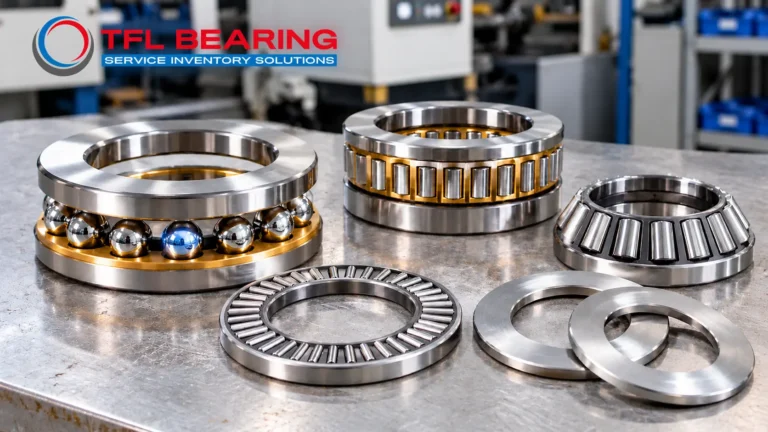
Thrust Bearing Types Explained: How They Work and How to Choose One
A thrust bearing is a bearing built to carry axial load, the push that runs along a shaft instead of across it. Picture a…
Read articleBrowse bearing solutions by equipment, operating environment and industry.
Practical guidance on bearing selection, applications, maintenance and sourcing.
A thrust bearing is a bearing built to carry axial load, the push that runs along a shaft instead of across it. Picture a…
Read articleFind answers about quality, orders, technical support and after-sales service.
Use our articles, reference tools and customer resources to support sourcing decisions.

Discover why standard greases fail in saltwater. Master the exact maintenance protocols to purge emulsified grease and extend marine bearing lifespans.

This guide analyzes the critical role of lubrication in ball bearing performance, comparing grease and oil options while detailing factors like viscosity, temperature, and additives to help users select the best lubricant for their specific industrial applications.

This article explores the critical role of bearing lubrication in reducing friction and preventing failure. It covers the differences between grease and oil, proper application methods, common mistakes to avoid, and maintenance strategies to ensure industrial machinery operates efficiently.

This guide explores the design and function of self-aligning ball bearings, highlighting their ability to accommodate angular misalignment in precision machinery. It covers load capacity, speed benefits, and selection criteria to help engineers ensure operational stability.
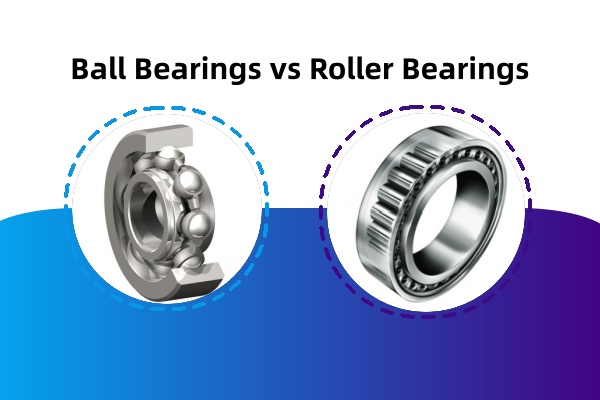
This guide analyzes the structural and functional distinctions between ball bearings and roller bearings, providing engineers and procurement teams with essential insights on load capacity, speed limits, and durability to ensure the correct selection for specific industrial applications.