







Find More Reliable Roller Bearing Solutions at TFL

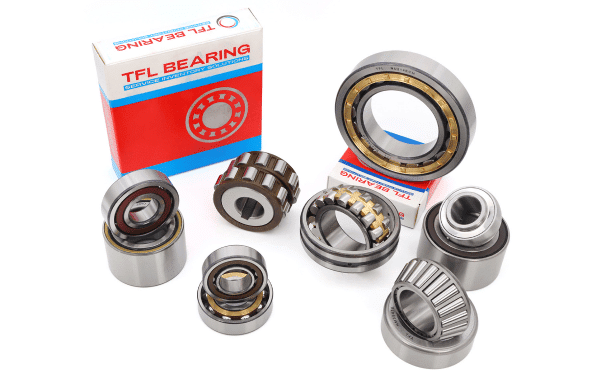
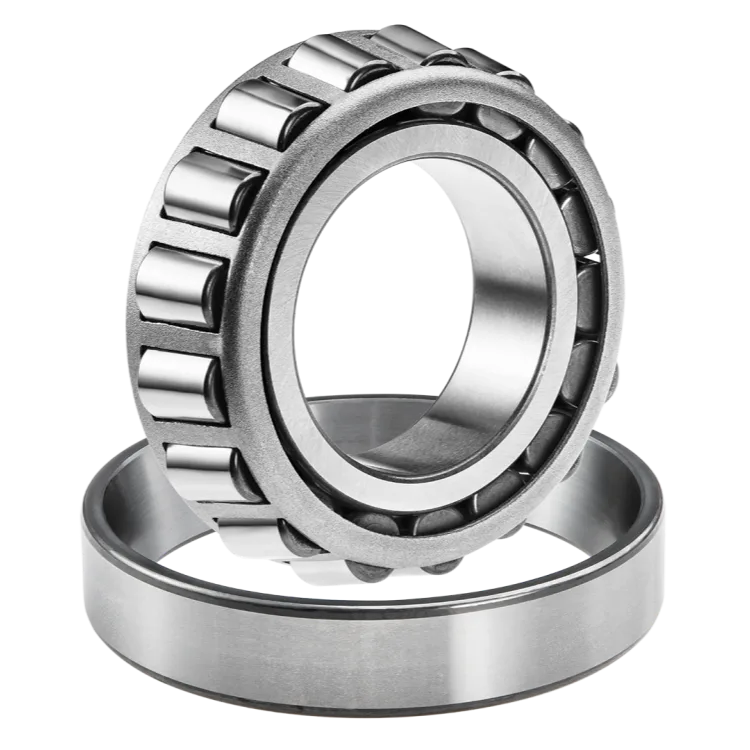
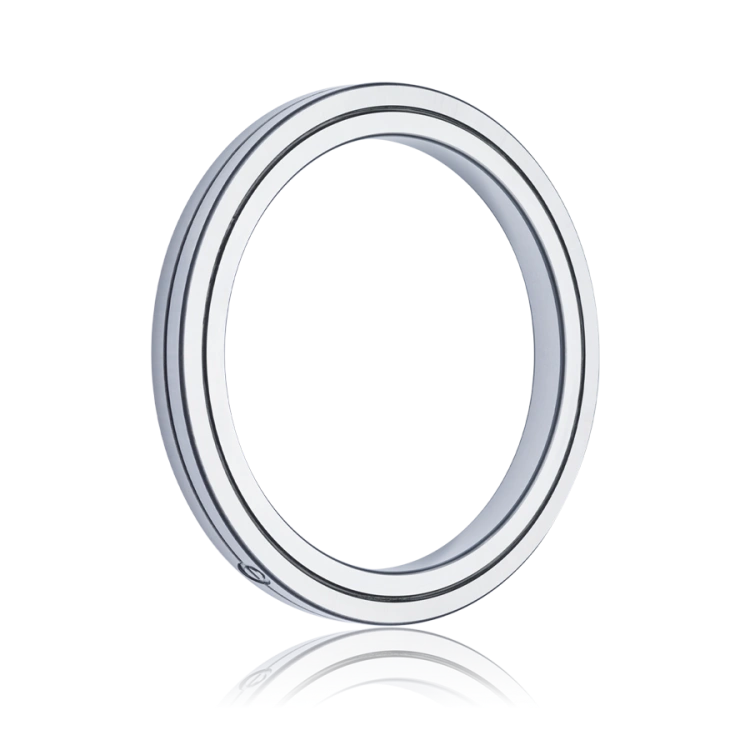
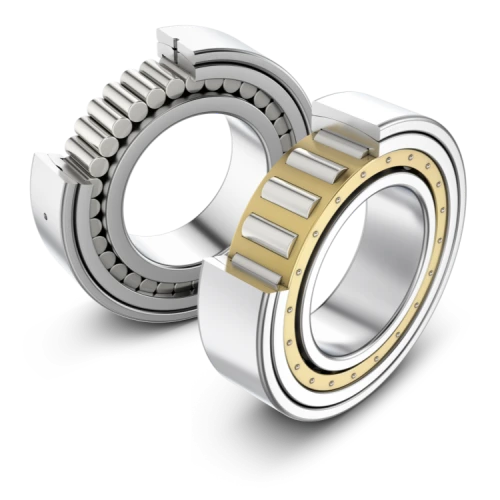
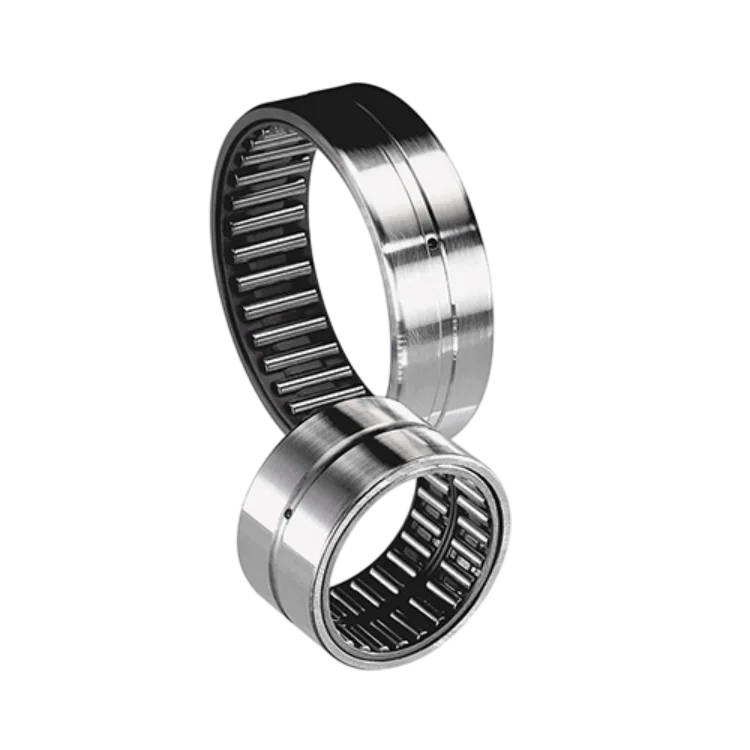
TFL stands at the forefront of industrial procurement as a specialized roller bearing supplier. We understand that different loads require different geometries. That is why we provide a complete spectrum of high-quality roller solutions, from high-speed cylindrical roller bearings and compact needle roller bearings to high-rigidity crossed roller bearings. By acting as your technical liaison to verified production facilities, we deliver not just bearings, but guaranteed quality—backed by ISO standards, independent inspections, and comprehensive cross-referencing capabilities.
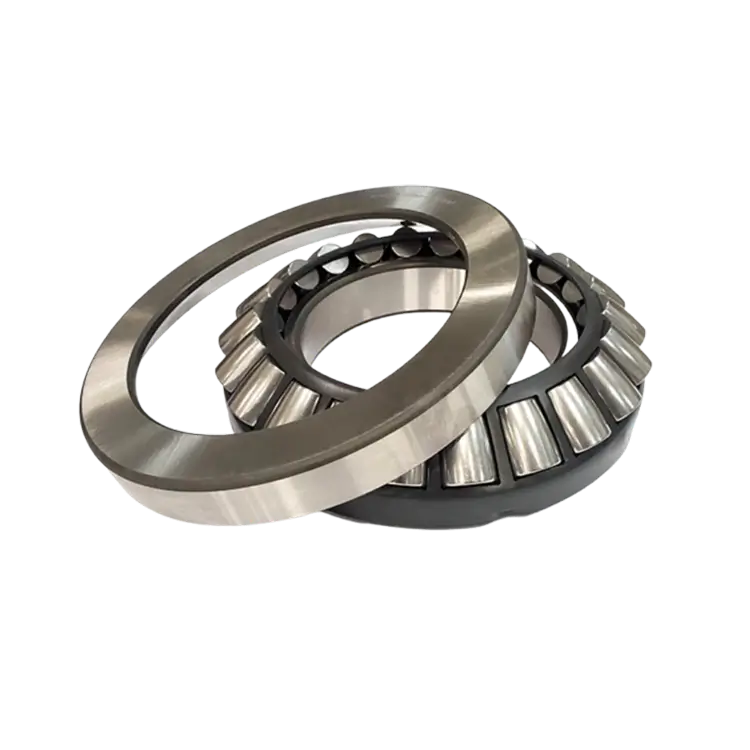
image shows two roller bearings
Home / Product / Roller Bearings

Why Are TFL Roller Bearings Suitable for You?

TFL’s roller bearings are reliable in quality and come in a wide range of models, capable of providing outstanding performance for your industrial equipment. We apply leading technologies in the industry to offer more stable and durable roller bearings, allowing you to enjoy a better experience at a lower cost.

Roller Bearings Category

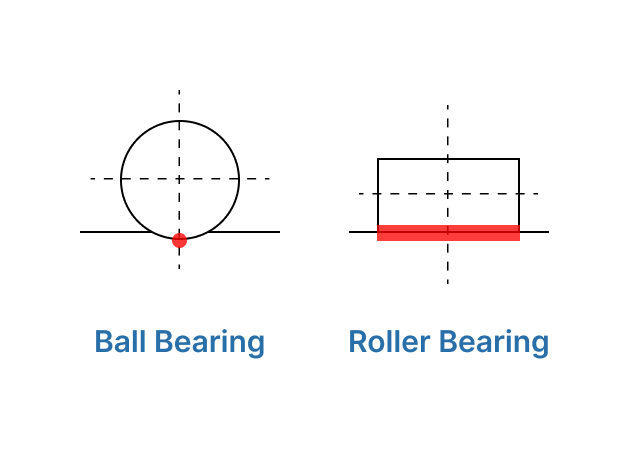
image shows ball bearing and roll;er bearing force application point diagram

Bearings More Suitable for Withstanding High Loads

Roller bearings are usually distinguished from ball bearings, mainly due to the shape of the rolling elements and the way they contact the raceways.
 
Ball bearings form point contact between the rolling elements and the raceways, with a small contact area and less friction, making them more suitable for applications with low loads and high speeds. In contrast, the rollers in roller bearings have a linear contact with the raceways, which helps to distribute stress and gives them a much higher load capacity than ball bearings. At the same time, like ball bearings, roller bearings filled with rollers are also stiffer and have better load-carrying capacity than roller bearings with cages.

A Wide Variety of Roller Bearing Types

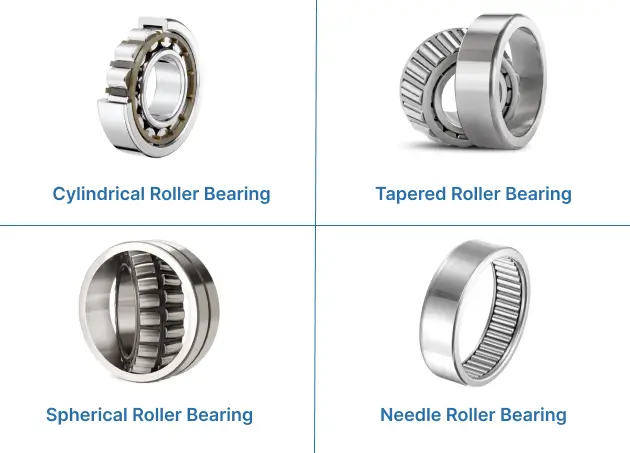
Due to the high load-carrying capacity of roller bearings, various types of roller bearings have been developed to meet different load requirements in different environments. These include:
 
  • Cylindrical Roller Bearings: They can withstand extremely high pure radial forces but cannot bear axial forces, making them suitable for high-speed applications.
  • Tapered Roller Bearings: Depending on the contact angle, they can handle different combined loads and usually have high rigidity.
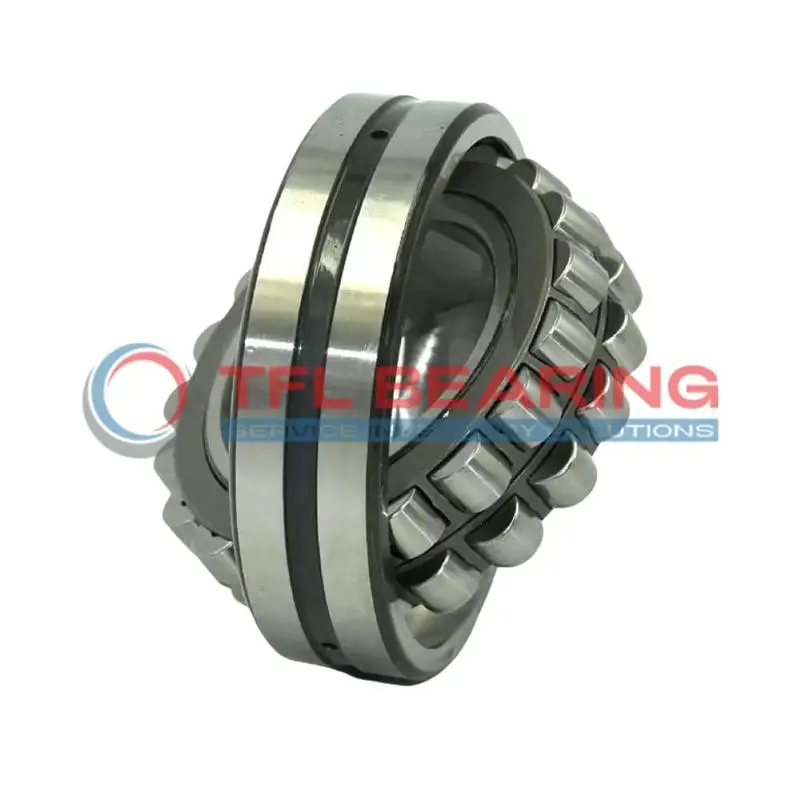
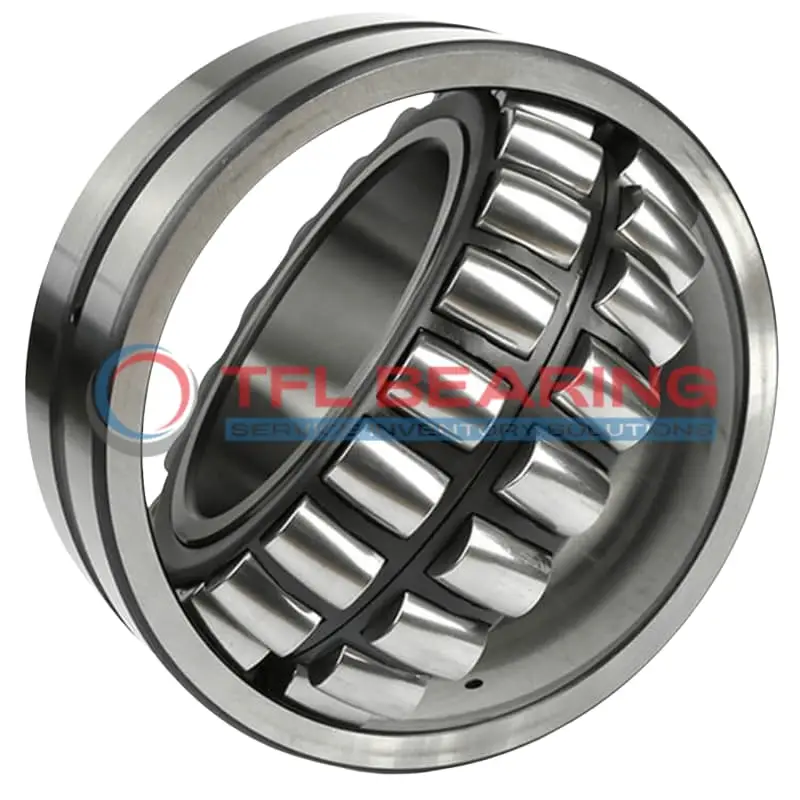
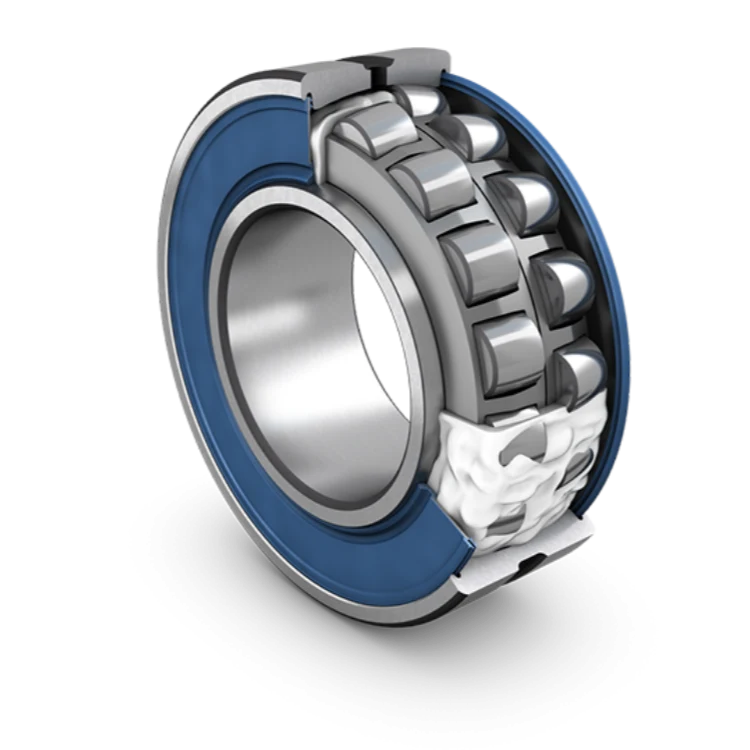
  • Spherical Roller Bearings: Distinguished by their excellent self-aligning ability, they can tolerate a certain degree of misalignment.
  • Needle Roller Bearings: They offer high load capacity while having a small cross-section, making them ideal for compact equipment.
 
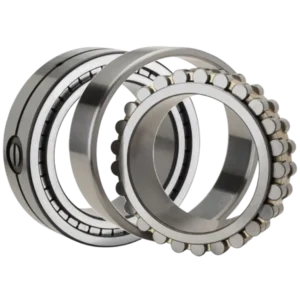
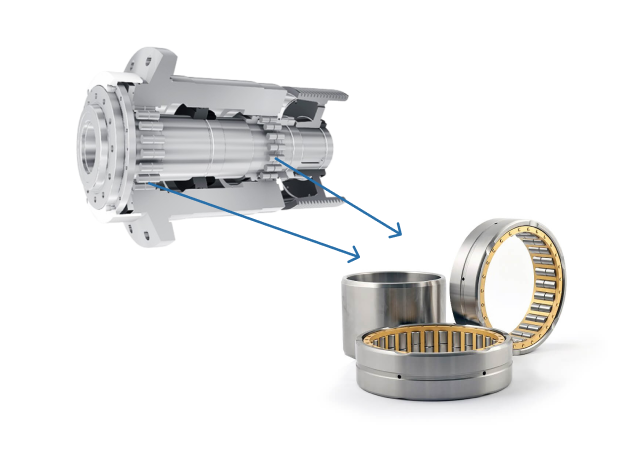
The image shows double row cylindrical roller bearings in a vertical turning centre

Bearings More Suitable for Heavy Machinery

In heavy industrial equipment (such as rolling mills, wind power equipment, mining equipment, etc.), the smooth operation of the equipment generally cannot do without roller bearings.
 
Besides excellent load-carrying capacity, most roller bearings use stainless steel or high-strength bearing steel as materials, combined with sealed structures, which enables the equipment to withstand impacts and harsh environments.
 
Of course, although compared with ball bearings, roller bearings have higher friction and more limited rotational speeds, modern production technologies are constantly improving the rotational speed and friction of roller bearings, allowing them to achieve high-speed operation under high loads.

APPLICATION AREA

Precision Bearings for Medical Technology

Medical Bearings

Quiet, hygienic, and precise bearings designed for MRI scanners and surgical robots ensure reliability in critical medical environments.

image shows Marine Industry

Marine Bearings

Corrosion-resistant bearings maximize performance in marine propulsion and steering systems, ensuring durability in harsh saltwater conditions.

image shows several Agricultural equipment

Agricultural Bearings

Heavy-duty agricultural bearings resist dust and mud, providing long-lasting reliability for tractors and harvesters in tough field operations.

Have a Question?

SPEAK WITH AN EXPERIENCED TEAM MEMBER

INTERCHANGEABLE BRANDS

TFL Bearings: High quality bearings, an ideal choice to replace SKF and FAG.

Comprehensive bearing supply chain integration products

One-Stop Supply Chain Integration

Simplify your vendor management. As an integrated supplier, we consolidate diverse bearing requirements into a single, efficient channel. We manage inventory, quality control, and global logistics to save you time.

View Cross-Reference Guide
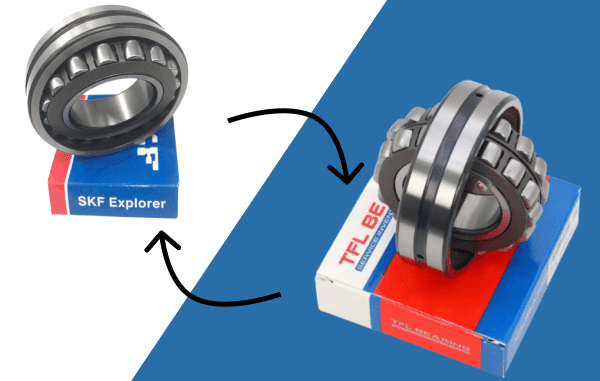
Visual demonstration of 100% interchangeable bearing equivalents

100% Interchangeable Brand Equivalents

Why pay a premium for a brand name? We provide precision-engineered, cost-effective equivalents for major global brands. Get the exact same dimensions, load capacities, and lifespan without compromising performance.

Explore Our Catalog
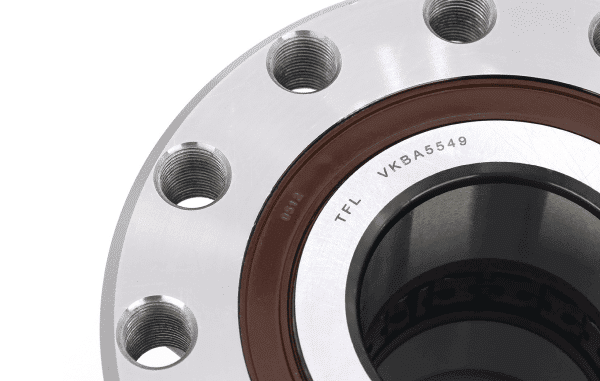
Close-up of a precision TFL bearing showing certified manufacturing standards

Certified Quality & Compliance

Trust is built on verified quality. Our manufacturing processes are strictly ISO 9001 certified, ensuring consistent, defect-free production. All our products are fully RoHS and REACH compliant.

Contact for Compliance Details

FREQUENTLY ASKED QUESTIONS

an image showing FAQ

How to select the appropriate roller bearing?

Before choosing the right roller bearing, it is necessary to understand the working environment and load conditions of the bearing, and have a clear idea of the specific type of roller bearing needed.
Then, determine the required bearing's rated load, size, speed, temperature, working environment, and whether sealing is needed in sequence.
Once these are determined, you can basically identify the bearing you need. If you need detailed bearing information or have other questions, contact us. TFL provides high-quality bearings that can not only smoothly replace those of major brands but also offer you a detailed and complete purchasing solution.

Can roller bearings be used to replace ball bearings?

Sure, but you must pay attention to the application conditions and compatibility.
Compared with ball bearings, roller bearings are more suitable for high-load and high-impact situations, but their rotational speed is relatively low and their high-speed performance is not as good as that of ball bearings. So if your equipment requires high load capacity and durability, and the rotational speed is not a high priority, you can make the corresponding replacement. Besides, you also need to pay attention to whether the detailed attributes such as bearing size and lubrication requirements match. And a small-scale test should be conducted before use to ensure performance.

Are roller bearings more expensive than ball bearings?

Not necessarily. Due to the unique structure of roller bearings, it is necessary to ensure that the rollers and raceways have linear contact while maintaining good performance and load-carrying capacity. Therefore, the processing accuracy and material selection for roller bearings are more stringent, making them more expensive. However, due to the influence of brand, size specifications, and precision grades, it is impossible to make a direct comparison between roller bearings and ball bearings. Moreover, the two types of bearings are suitable for different fields, and it is more advisable to choose based on your needs.
 
If you want to purchase roller bearings but have a limited budget, you can choose TFL. Our self-produced bearings have stable quality, reasonable prices, and international quality certifications. They are your best choice for cost savings.

How long will it take to ship after the payment?

We have sufficient inventory. Most orders will be shipped within 10 days or less. After the order is dispatched, you can track the logistics information at any time until the goods are signed for.

OUR PROCESS

The picture shows a symbol representing information.
Contact

Initial Contact

01
a $ logo
Budgeting

Specialists Review
Needs

02
a chatting mark and an arrowhead
Options

Our Engineers Help YouChoose The RightBearings

03
a building logo
Plant Visit

Option To Visit OurManufacturing Plant

04
A truck symbol, representing transportation and logistics
Delivery

Your entire order is
delivered.

05
a logo meaning service
Support

We provide ongoingproduct support

06

Optimize Procurement with a Leading Roller Bearing Supplier

Your Trusted Roller Bearing Supplier and Supply Chain Integrator. In the complex landscape of industrial procurement, sourcing the right components shouldn’t be a drain on your resources. By working directly with verified factories and managing the technical interface, we eliminate the traditional communication barriers and hidden costs of multi-tier sourcing. You get direct factory access without the logistical and quality-control headaches.

What is a Roller Bearing?

At its core, a roller bearing uses cylindrical, tapered, or spherical rolling elements rather than balls. This design provides a “line contact” rather than “point contact,” allowing the bearing to support significantly higher radial loads and withstand heavy shocks.

Industrial Applications and Representative Models

Application SectorRepresentative ModelBearing TypeSpecific Component
Heavy Automotive32218Tapered Roller BearingDifferential / Wheel Hub
Mining & Aggregate22320 ESpherical Roller BearingVibrating Screen / Main Shaft
Power Generation29420 ESpherical Roller Thrust BearingsVertical Generator Shafts
Industrial MotorsNU 316 ECPCylindrical Roller BearingMotor Drive End (Floating)

💡 Engineering Insight from Jessica Jia

“Industrial equipment operates under extreme conditions where ‘standard’ isn’t enough. For example, vibrating screens require 22320 E spherical roller bearings with high C-values to manage constant shaft deflection, while heavy vertical shafts demand spherical roller thrust bearings to support massive pure axial loads. Understanding the exact working condition is the only way to prevent premature fatigue failure.”

The Timken Advantage & Comprehensive Cross-Referencing

When it comes to durability and precision, Timken roller bearings are globally recognized as the gold standard, particularly for tapered and heavy-duty designs. Their material science and heat-treatment processes provide exceptional service life in the most punishing environments.

We recognize that many of our clients already utilize Timken as their primary specification. To assist in your procurement strategy, we provide a detailed Timken roller bearing cross reference service. Whether you are looking for a direct alternative from our TFL line or comparing specifications across SKF, FAG, or NSK, we provide the technical data (load ratings, C3 clearance, S1 thermal stability) to ensure a seamless technical transition.

* TFL Bearing operates as a specialized supply chain integrator. We provide comprehensive sourcing, factory-direct matching, and independent quality control, acting as your technical liaison rather than the primary manufacturer.

Our Transparent Procurement Process

We’ve streamlined our logistics to ensure quality at every touchpoint:

  1. Consultation & Sourcing: You provide the specs; we identify the optimal production line from our integrated factory network.
  2. Factory Dispatch to Our Hub: Goods are produced and shipped to our central inspection facility.
  3. Secondary Quality Control: Our engineers perform an independent audit on dimensions, tolerances, and rotation accuracy before the goods leave our warehouse.
  4. Final Global Delivery: Once verified, the bearings are consolidated and shipped to your location.

Why partner with a supply chain integrator?

Stop wasting time vetting unknown factories. We handle the auditing and technical vetting, allowing you to focus on your core engineering projects. We provide full documentation, including ISO certification, RoHS, and REACH testing reports.

Do you offer custom packaging?

Yes. From specific industrial color boxes to custom labeling and specialized anti-rust vacuum sealing, we ensure that the product arrives ready for your shelf or your machine.

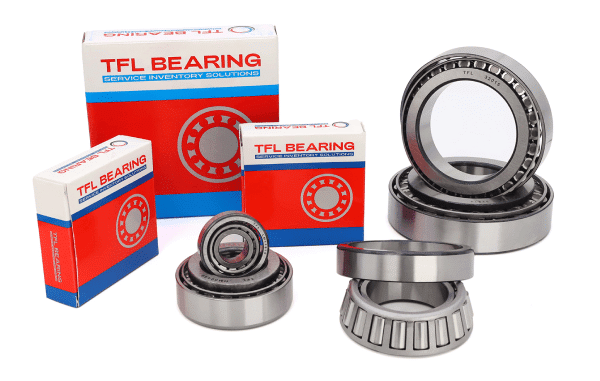
tfl bearing package and tfl roller bearings include 32015, LM11910 ect.

Ready to Streamline Your Bearing Procurement?

Send us your technical parameters or required Timken cross-references, and our engineering team will match you with the optimal factory line today. Request a Quote & Cross-Reference

Decoding Roller Bearing Nomenclature: Suffixes & Prefixes Explained

To the untrained eye, a bearing model number looks like a random alphanumeric string. To an engineer, it’s the complete DNA profile of the component’s capabilities. While the base number identifies the bearing type and bore size (e.g., in “22320”, the “20” denotes a 100mm bore), the prefixes and suffixes dictate the critical internal designs that determine whether a machine runs smoothly or fails catastrophically. Different global brands (like SKF, FAG, Timken, and NSK) often use different suffix codes for the exact same engineering feature. Here is a breakdown of the most critical roller bearing suffixes you will encounter:
Common Suffix Code Technical Meaning Application Impact & Cross-Reference
E / CC / EX Optimized Internal Design Indicates reinforced rollers and higher load capacity. (“E” is common in FAG/SKF; Timken often uses “EX”).
M / MA / MB Machined Brass Cage Essential for high-vibration environments like vibrating screens or heavy crushers. Far superior to standard steel cages under shock loads.
C3 / C4 Increased Internal Clearance Crucial for high-temperature applications (like industrial motors). Allows for steel expansion without the rollers seizing.
K / K30 Tapered Bore (1:12 or 1:30) Designed to be mounted with an adapter sleeve. Using a cylindrical bore where a tapered one is required makes installation impossible.
W33 Lubrication Groove & 3 Holes Standard on most spherical roller bearings to allow grease/oil to be pumped directly into the center of the rolling elements.

💡 Engineering Insight from Jessica Jia

“The most common and expensive mistake in bearing procurement is ignoring the suffix. For example, substituting a standard clearance bearing for a ‘C3’ in a high-speed gearbox will cause the rolling elements to seize within hours due to thermal expansion. Similarly, mixing up an ‘M’ (brass cage) with a standard ‘J’ (steel cage) in a mining application will lead to rapid cage fracture. Suffixes are not optional—they are the exact specifications that keep your equipment alive.”
Lost in Translation? Let Us Handle the Cross-Referencing. Navigating the subtle differences between a Timken, SKF, and FAG suffix can be overwhelming and risky. As your supply chain integrator, you simply need to provide us with the OEM part number, photos of the worn bearing, or the equipment’s working conditions. Our engineering team will decode the exact specifications and match it to the perfect production line.
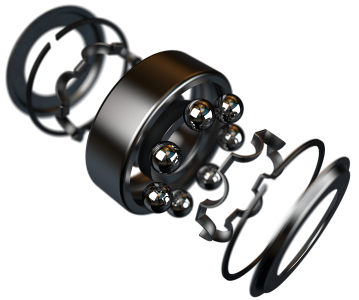
The picture shows a ball bearing with a split structure.

CAN’T FIND WHAT YOU NEED?

Please provide your question.
We’ll find you with the best support options.