Super Precision Angular Contact Ball Bearings 7026 ACD/P4ADBC

Super Precision Angular Contact Ball Bearings 7026 ACD/P4ADBC

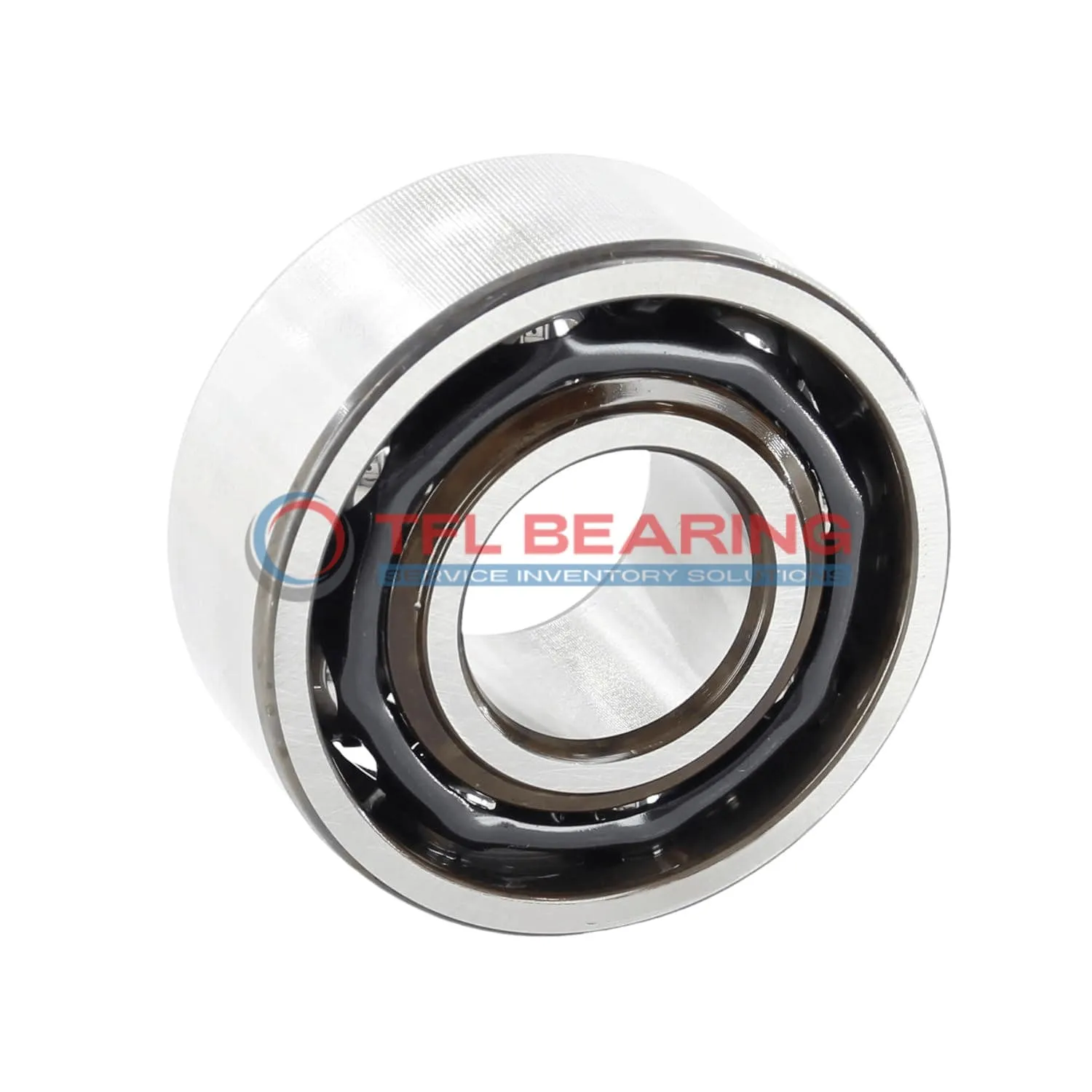
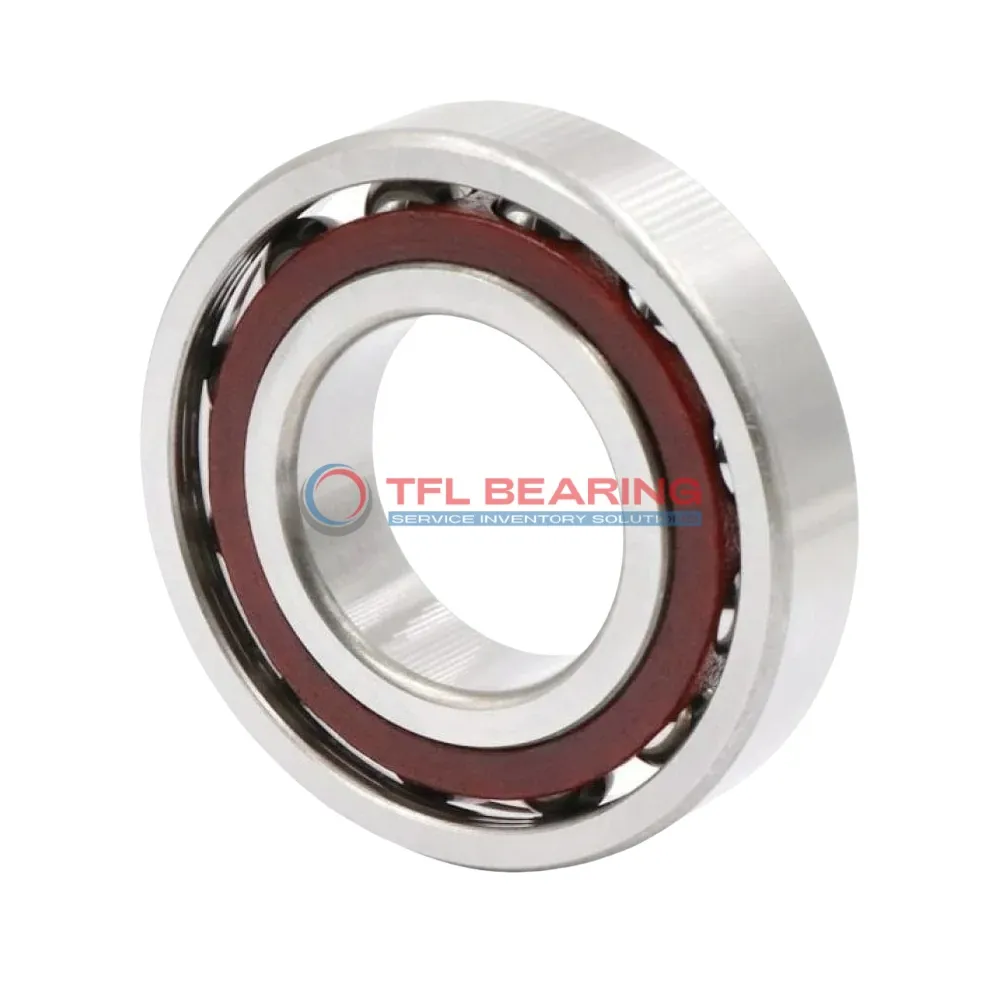
The 7026 ACD/P4ADBC is a super precision angular contact ball bearing with a 130mm bore and 200mm outer diameter, measuring 66mm in width. Made from durable chrome steel, it’s designed for high-performance applications.

With a 25° contact angle and moderate preload, it handles radial loads up to 51525 lbf and spins smoothly at speeds up to 11000 RPM. The phenolic cage ensures stable operation under demanding conditions.

Its open design allows for easy lubrication, while the matched pair arrangement (DB configuration) provides balanced load distribution. Ideal for machine tools or high-speed spindles where precision is key.

Weighing 6.47kg, this bearing operates in temperatures from -30°C to 110°C. It’s interchangeable with SKF bearings, making it a reliable choice for replacements. Compliant with P4A tolerance class for exceptional accuracy.

Get A Free Quote

Product Parameters

  • Part Number 7026 ACD/P4ADBC
  • Brand TFL
  • Interchangeable SKF
  • Bore Dia 130 mm
  • Bore Dia Tolerance -0.004mm to 0
  • Outer Dia 200 mm
  • Outer Dia Tolerance -0.004mm to 0
  • Width 66 mm
  • Width Tolerance -0.2mm to 0
  • Ball Dia 22.225 mm
  • Ball Qty 21
  • Contact Angle 25°
  • Tolerance Class P4A
  • System of Measurement Metric
  • Seal Type Open
  • Matched Arrangement 2 bearings <> DB
  • Number Of Bearings In Matched Set 2
  • Universal Matching Bearing No
  • Preload Moderate / Class C
  • For Load Direction Angular Contact
  • Ring Material Chrome Steel
  • Ball Material Chrome Steel
  • Cage Material Phenolic
  • Dynamic Radial Load 51525 lbf
  • Static Radial Load 67500 lbf
  • Lubrication Lubricated
  • Temperature Range - 30°C to 110 °C
  • Max Speed 11000 rpm
  • Weight 6.47 kg

Features

Performance Features of 7026 ACD/P4ADBC Bearing

7026 ACD/P4ADBC Bearing is designed with a 25° contact angle, optimising load distribution for angular contact applications.

Its chrome steel rings and balls ensure durability, while the phenolic cage reduces friction for smoother operation.

With a dynamic radial load capacity of 51525 lbf, it handles demanding conditions reliably.

The P4A tolerance class guarantees high precision, making it suitable for critical applications.

Application

Industrial Uses of 7026 ACD/P4ADBC Bearing
This bearing is commonly used in high-precision machine tools, where its angular contact design ensures accurate spindle rotation. The moderate preload helps maintain stability during heavy cutting operations.

In aerospace applications, 7026 ACD/P4ADBC Bearing supports helicopter transmissions, handling both radial and axial loads efficiently. Its phenolic cage reduces friction, making it suitable for high-speed rotations.

For robotics, 7026 ACD/P4ADBC Bearing provides smooth motion in articulated arms, thanks to its P4A tolerance class. The matched arrangement ensures consistent performance in automated assembly lines.

Where Is 7026 ACD/P4ADBC Bearing Used?
You’ll find this bearing in CNC lathes, where its chrome steel construction withstands continuous operation. The open seal design allows for easy relubrication in dusty environments.

It’s also ideal for wind turbine gearboxes, handling dynamic loads with reliability. The 25° contact angle optimises load distribution for longer service life.

Built for Heavy-Duty Use: 7026 ACD/P4ADBC Bearing
This model excels in paper mill machinery, resisting moisture and heavy loads. The phenolic cage prevents corrosion, even in humid conditions.

In printing presses, 7026 ACD/P4ADBC Bearing maintains precise roller alignment. Its high-speed capability ensures smooth paper feed at various production rates.

Automotive vs Aerospace: Applications of 7026 ACD/P4ADBC Bearing
In race car differentials, this bearing handles extreme thrust loads during sharp turns. The matched set design provides balanced performance under stress.

For aircraft landing gear, 7026 ACD/P4ADBC Bearing offers reliable operation in temperature extremes. Its P4A tolerance meets strict aviation precision standards.


Q&A

SEND INQUIRY