








Bearing Failure Analysis Services: What You Get, What It Costs, What to Send
Bearing failure analysis services examine a failed bearing, classify the damage, and trace it back to the condition that caused it, so the next…
Read articleCompare leading global bearing brands and explore compatible TFL alternatives by model, product type and application.
View all Brands GuideMatch manufacturer part numbers with interchangeable TFL bearing options and model-selection support.
Browse bearing solutions by equipment, operating environment and industry.
Practical guidance on bearing selection, applications, maintenance and sourcing.
Bearing failure analysis services examine a failed bearing, classify the damage, and trace it back to the condition that caused it, so the next…
Read article
Find answers about quality, orders, technical support and after-sales service.
Use our articles, reference tools and customer resources to support sourcing decisions.
Learn about TFL Bearing, our quality systems and supply capabilities.
View all About & CapabilitiesAccess engineering support and services throughout the purchasing process.
View all Services & SupportExplore customer projects, sourcing partnerships and ways to contact our team.
View all Work With TFL
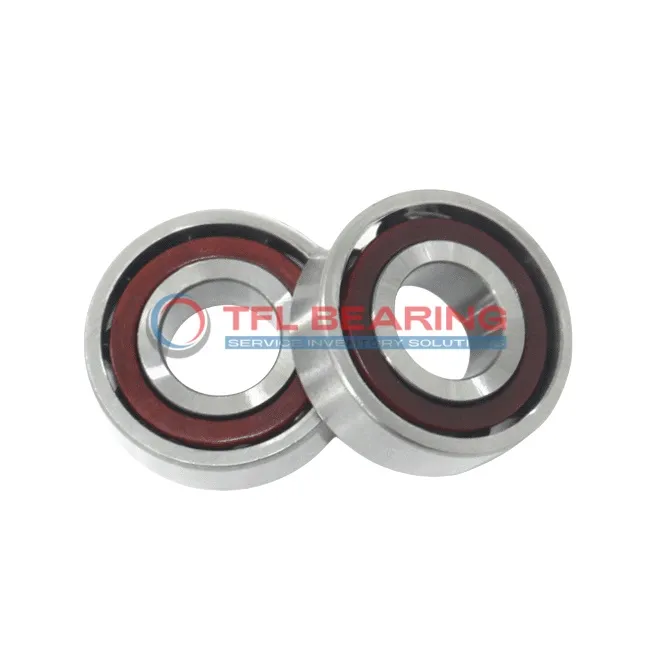
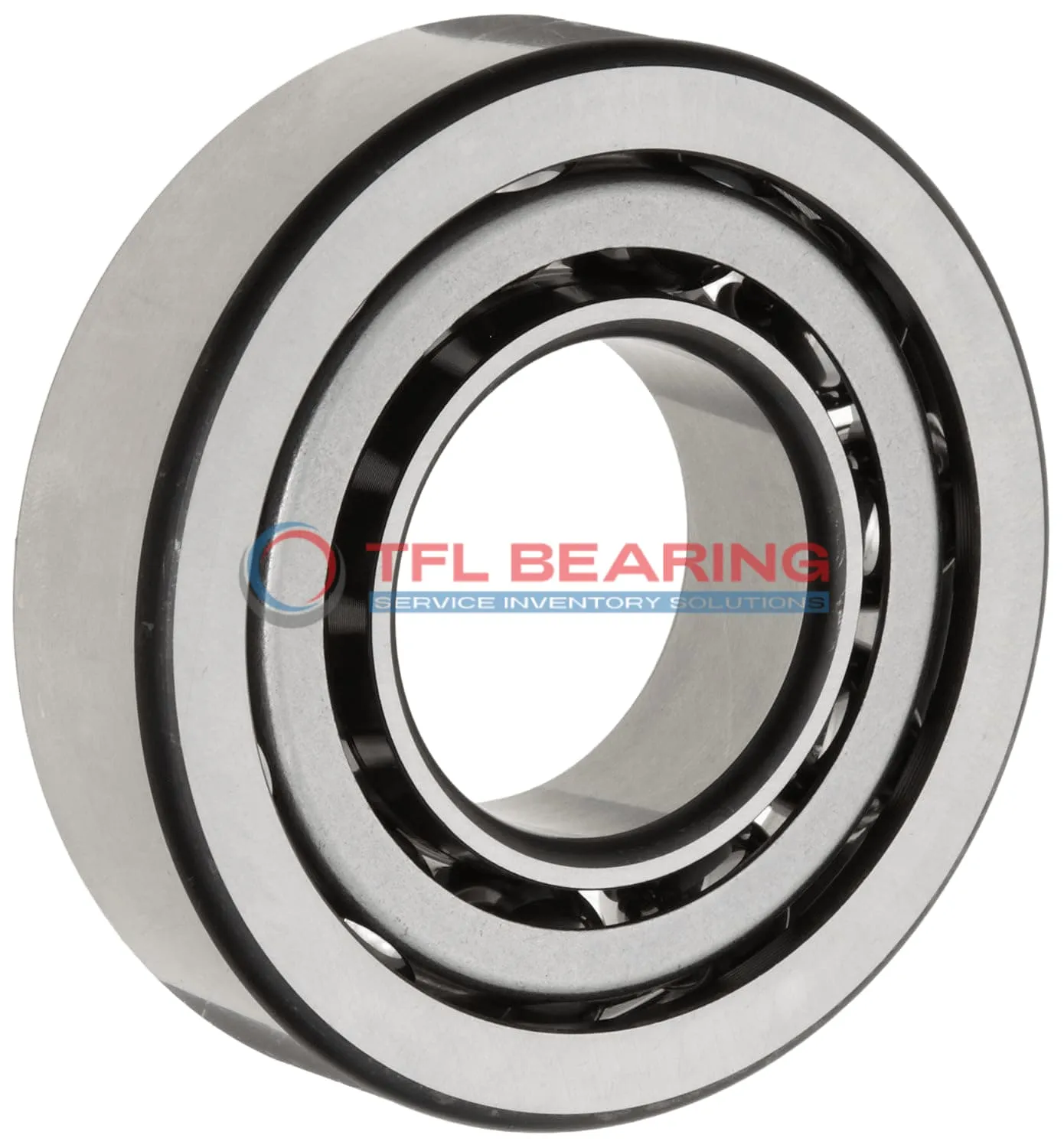
The 7017 CB/P4A is a super precision angular contact ball bearing with an 85mm bore and 130mm outer diameter, crafted from durable chrome steel. Its 15° contact angle efficiently manages both radial and axial loads, reaching speeds up to 20,000 RPM.
The open design and phenolic cage ensure smooth operation and easy maintenance, while the P4 tolerance class guarantees high accuracy. It handles dynamic radial loads up to 6075 lbf and operates in temperatures from -30°C to 110°C.
This bearing is interchangeable with SKF models, offering flexibility for replacements. Ideal for high-precision applications like machine tool spindles or robotics, where accuracy and speed are crucial.
Weighing 0.96kg, it’s robust yet manageable for its size. Available with preload and matched arrangements for tailored performance. Compliant with industry standards for reliable use.
Why Choose 7017 CB/P4A Bearing for Precision Tasks?
7017 CB/P4A Bearing features a 15° contact angle, ideal for handling combined radial and axial loads with high precision.
Its chrome steel construction ensures durability and resistance to wear in demanding applications.
The phenolic cage maintains ball alignment, reducing friction and enhancing smooth operation.
With a maximum speed of 20,000 rpm, it delivers reliable performance in high-speed scenarios.
7017 CB/P4A Bearing’s P4 tolerance class guarantees exceptional accuracy for precision machinery.
Its dynamic radial load capacity of 6075 lbf makes it suitable for heavy-duty applications.
Common Applications of 7017 CB/P4A Bearing
In machine tools, 7017 CB/P4A Bearing excels with its 15° contact angle, providing stability for high-precision operations like milling and grinding. The open design and phenolic cage ensure smooth performance even at speeds up to 20,000 rpm.
Where Is 7017 CB/P4A Bearing Used?
You’ll often find 7017 CB/P4A Bearing in automotive transmissions, where its angular contact design handles combined radial and axial loads efficiently. The P4 tolerance class makes it a reliable choice for demanding drivetrain components.
Built for Heavy-Duty Use: 7017 CB/P4A Bearing
This bearing’s chrome steel construction and 28-ball setup make it ideal for industrial pumps and compressors. Its matched arrangement option allows for custom preload settings in critical applications.
Medical vs Industrial: Where 7017 CB/P4A Bearing Excels
While 7017 CB/P4A Bearing suits medical imaging devices with its low-vibration design, it’s equally at home in robotics arms requiring precise motion control. The wide temperature range (-30° to 110°C) adds versatility.
Automation & Robotics: 7017 CB/P4A Bearing in Action
In automated assembly lines, 7017 CB/P4A Bearing’s phenolic cage reduces friction, extending service life in continuous operation. Its 130mm outer diameter fits neatly into robotic joint mechanisms.