







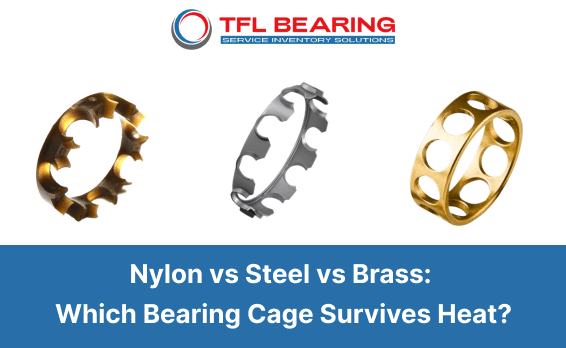
Nylon vs Steel vs Brass: Which Bearing Cage Survives Heat?
Compare Nylon (TN9), Pressed Steel, and Machined Brass (M) bearing cages under high heat. Explore 4 practical case scenarios to prevent premature cage failure.
Read articleBrowse bearing solutions by equipment, operating environment and industry.
Practical guidance on bearing selection, applications, maintenance and sourcing.
Compare Nylon (TN9), Pressed Steel, and Machined Brass (M) bearing cages under high heat. Explore 4 practical case scenarios to prevent premature cage failure.
Read articleFind answers about quality, orders, technical support and after-sales service.
Use our articles, reference tools and customer resources to support sourcing decisions.
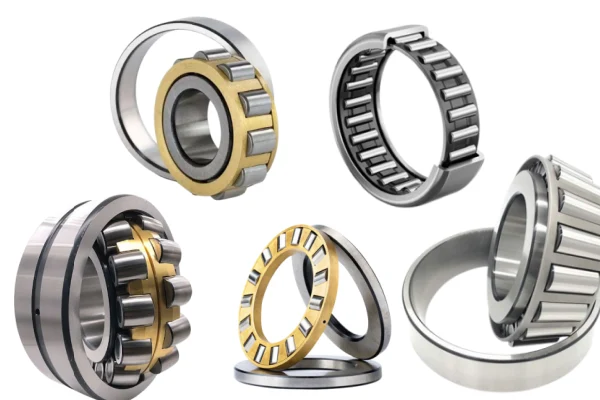
Roller bearings include cylindrical, needle, spherical, tapered, and thrust types, each designed for specific load and alignment needs in machinery.
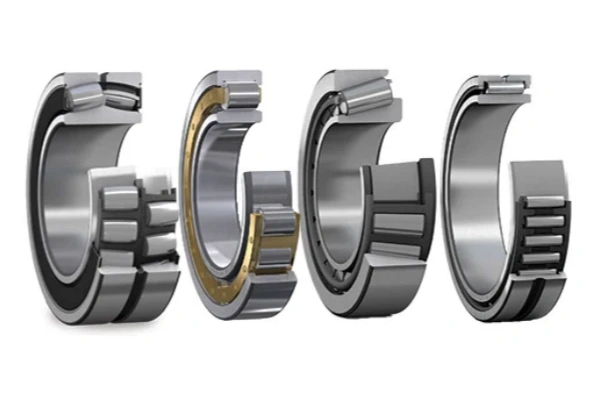
A roller bearing uses rollers for line contact, offering higher load capacity and durability for heavy-duty machines in 2025 applications.
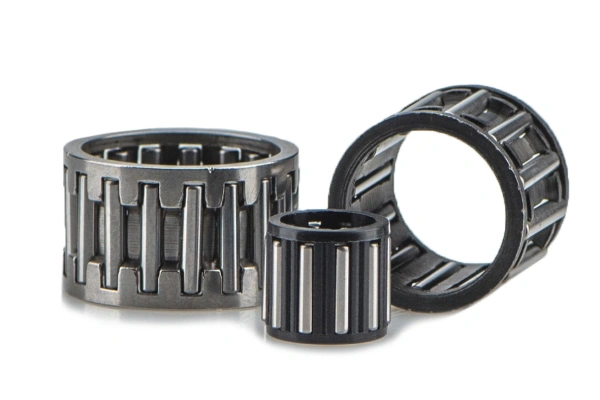
This article provides a comprehensive overview of needle roller bearing cages, explaining their crucial role in ensuring smooth operation, reducing friction, and extending bearing life. It delves into the function of the cage, different types of needle roller bearings (caged, thrust, and drawn cup), and the various materials used in cage construction. The article concludes by addressing common questions about needle roller bearings and their applications.
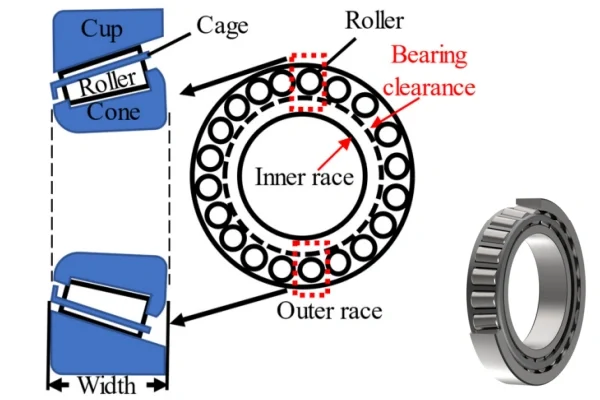
Learn what roller bearing clearance is, why it matters, and how to measure it. From radial vs. axial clearance to using tools like feeler gauges, this guide makes it simple to keep your bearings running smoothly.