







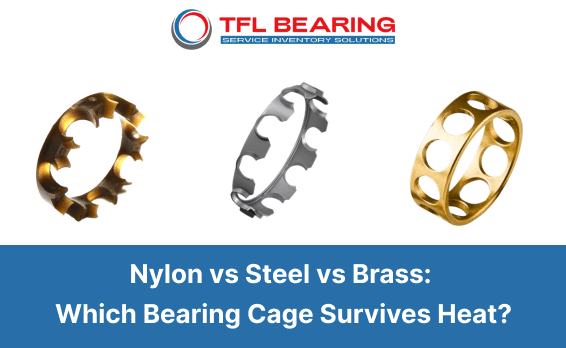
Nylon vs Steel vs Brass: Which Bearing Cage Survives Heat?
Compare Nylon (TN9), Pressed Steel, and Machined Brass (M) bearing cages under high heat. Explore 4 practical case scenarios to prevent premature cage failure.
Read articleBrowse bearing solutions by equipment, operating environment and industry.
Practical guidance on bearing selection, applications, maintenance and sourcing.
Compare Nylon (TN9), Pressed Steel, and Machined Brass (M) bearing cages under high heat. Explore 4 practical case scenarios to prevent premature cage failure.
Read articleFind answers about quality, orders, technical support and after-sales service.
Use our articles, reference tools and customer resources to support sourcing decisions.


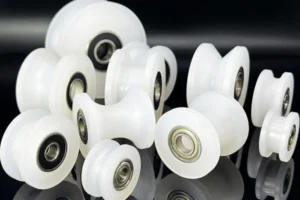
Metal vs plastic roller bearings: Learn their differences, pros, cons, and ideal uses. Find out which bearing type is best for your machine. Order today!
Quality Certifications like ISO 9001, IATF 16949, and CE Marking ensure your bearings meet top safety, reliability, and compliance standards.
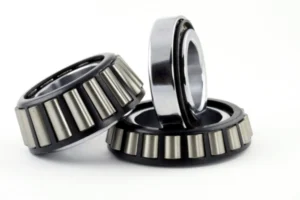
Select the right Taper Roller Bearing Size by matching load, speed, and shaft fit for optimal machine performance and longer bearing life.
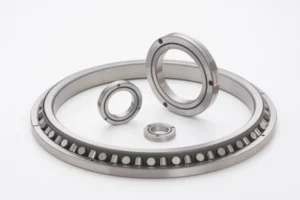
A cross roller bearing uses crossed cylindrical rollers for high strength, accuracy, and compact size, making it ideal for robots and precision machines.
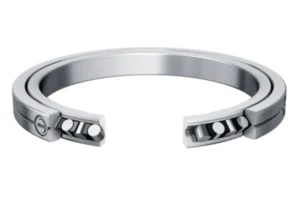
Cross roller bearing design enables high load capacity, precision, and durability for robotics, medical devices, and machine tools in 2025.
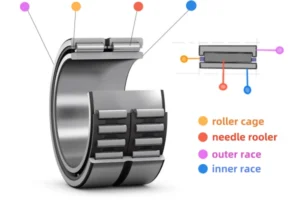
Needle roller bearing offers high load capacity, compact design, and durability, making it ideal for automotive, industrial, and aerospace applications.
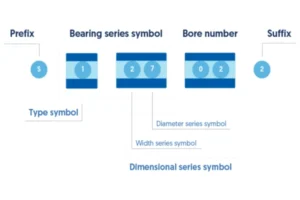
Roller bearing sizes and codes explained for buyers—understand what each number means and how to select the right bearing for your application.
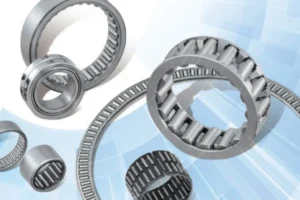
Koyo needle roller bearings save space and boost performance with compact design, high load capacity, and durability for automotive and industrial use.
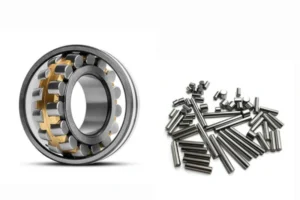
Roller bearings use high-carbon chromium steel, ceramics, and plastics for strength, durability, and performance in various industrial applications.
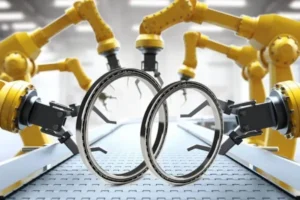
Thin wall ball bearings enable lighter, more precise robots by saving space, reducing weight, and improving motion control in advanced automation systems.
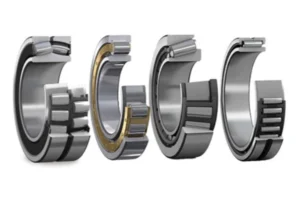
A roller bearing uses rollers for line contact, offering higher load capacity and durability for heavy-duty machines in 2025 applications.
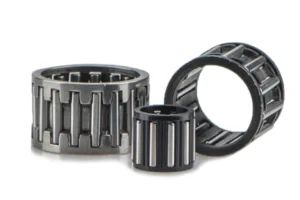
This article provides a comprehensive overview of needle roller bearing cages, explaining their crucial role in ensuring smooth operation, reducing friction, and extending bearing life. It delves into the function of the cage, different types of needle roller bearings (caged, thrust, and drawn cup), and the various materials used in cage construction. The article concludes by addressing common questions about needle roller bearings and their applications.
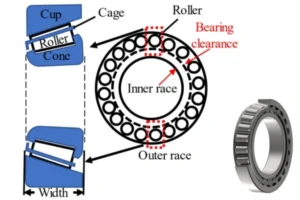
Learn what roller bearing clearance is, why it matters, and how to measure it. From radial vs. axial clearance to using tools like feeler gauges, this guide makes it simple to keep your bearings running smoothly.

Understand the difference between ball bearings and why 4mm vs 10mm sizes impact load, fit, and performance in various machines and devices.

Professional online factories, such as TFL Bearings, are the preferred choice for optimized efficiency and cost, offering customization, lower prices, and a global supply chain.

Avoid early failure of bicycle ball bearings by preventing contamination, poor adjustment, lack of lubrication, corrosion, and wrong installation.