







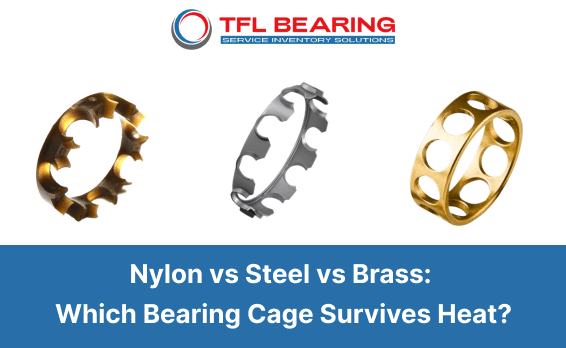
Nylon vs Steel vs Brass: Which Bearing Cage Survives Heat?
Compare Nylon (TN9), Pressed Steel, and Machined Brass (M) bearing cages under high heat. Explore 4 practical case scenarios to prevent premature cage failure.
Read articleBrowse bearing solutions by equipment, operating environment and industry.
Practical guidance on bearing selection, applications, maintenance and sourcing.
Compare Nylon (TN9), Pressed Steel, and Machined Brass (M) bearing cages under high heat. Explore 4 practical case scenarios to prevent premature cage failure.
Read articleFind answers about quality, orders, technical support and after-sales service.
Use our articles, reference tools and customer resources to support sourcing decisions.
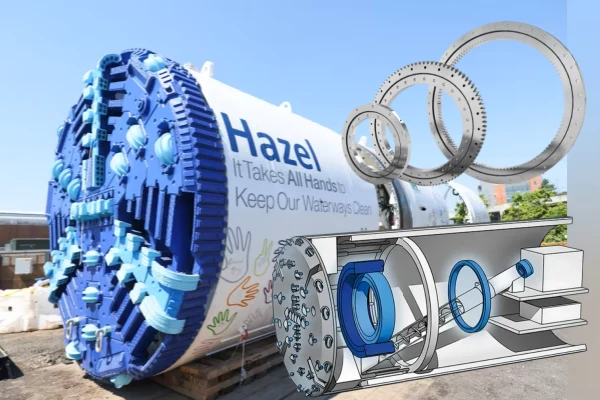
Slewing ring bearings provide vital support and smooth rotation for tunnel boring machines and dredgers, ensuring reliability under heavy loads.
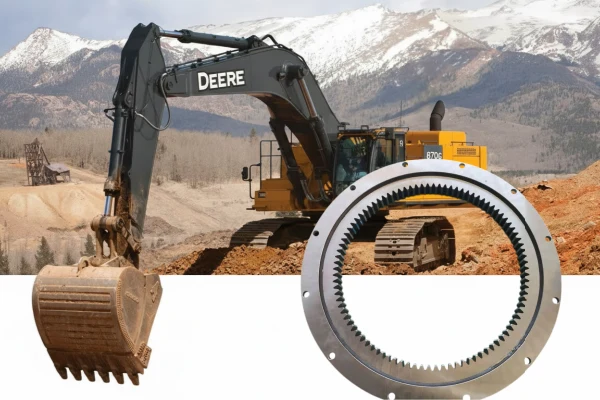
Slewing ring bearings are used in cranes, wind turbines, medical scanners, robotics, and heavy machinery for smooth rotation and load support.
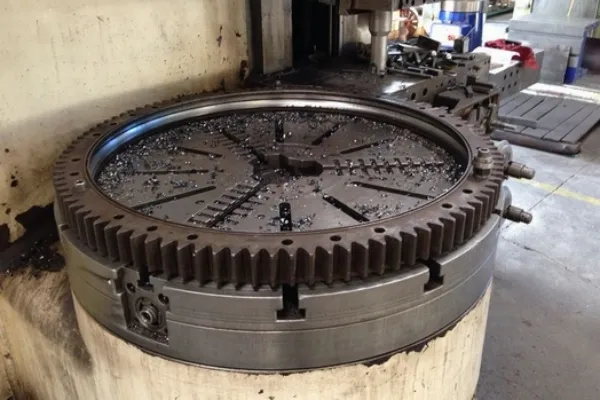
Identify 7 frequent Slewing Bearings failures and their warning signs to prevent costly downtime and extend equipment life.
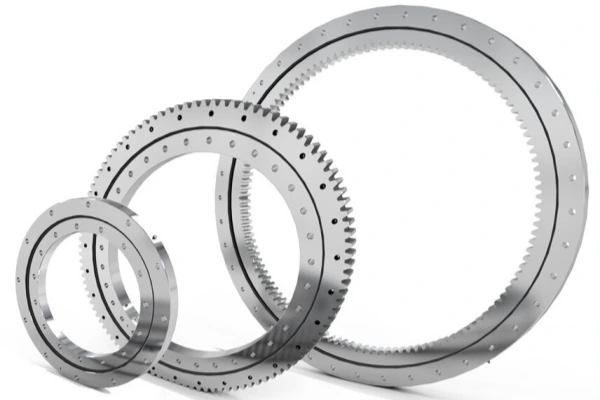
Slewing ring bearings enable smooth rotation and support heavy loads in cranes, wind turbines, and medical devices, offering durability and precision.
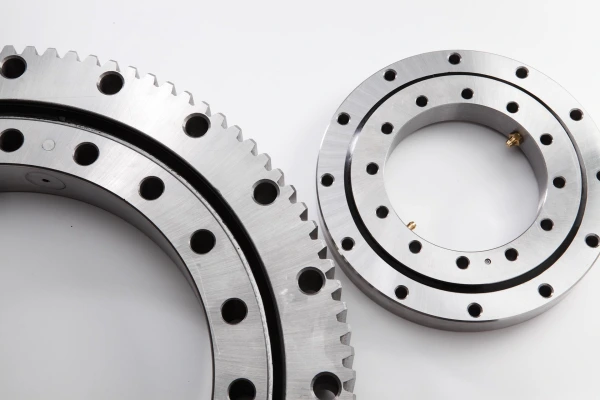
Slewing bearings come in various types and classifications. Understand their structures, load capacities, and best uses for your industrial application.
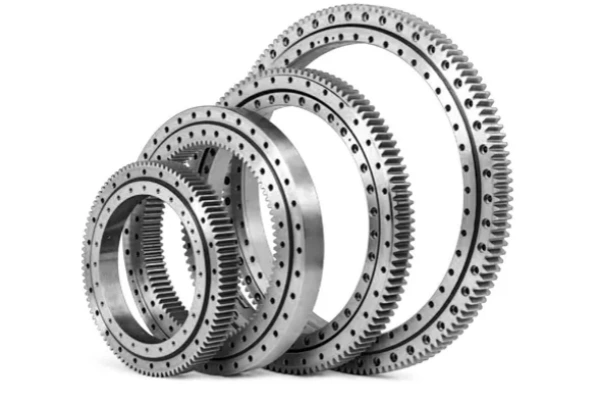
Slewing Bearings: Compare internal gear vs external gear types, focusing on load capacity, maintenance, space needs, and best-fit applications.