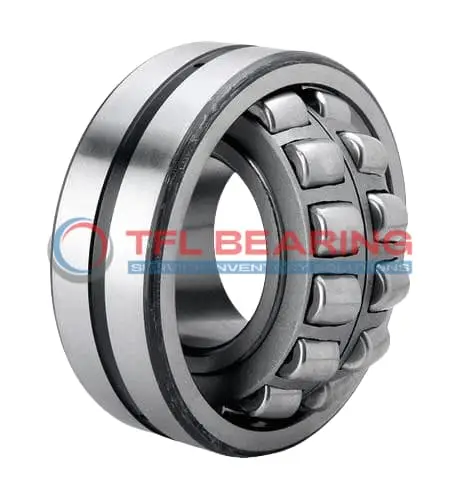
TS (Single Row Tapered Roller Bearings) (Imperial) 775-772

TS (Single Row Tapered Roller Bearings) (Imperial) 775-772

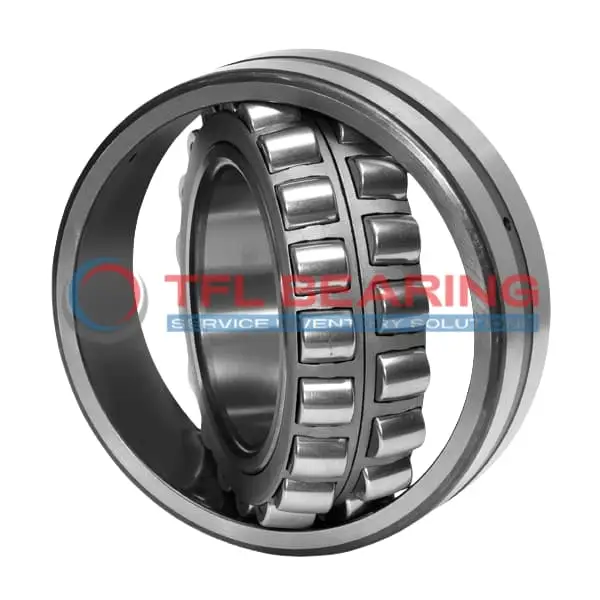
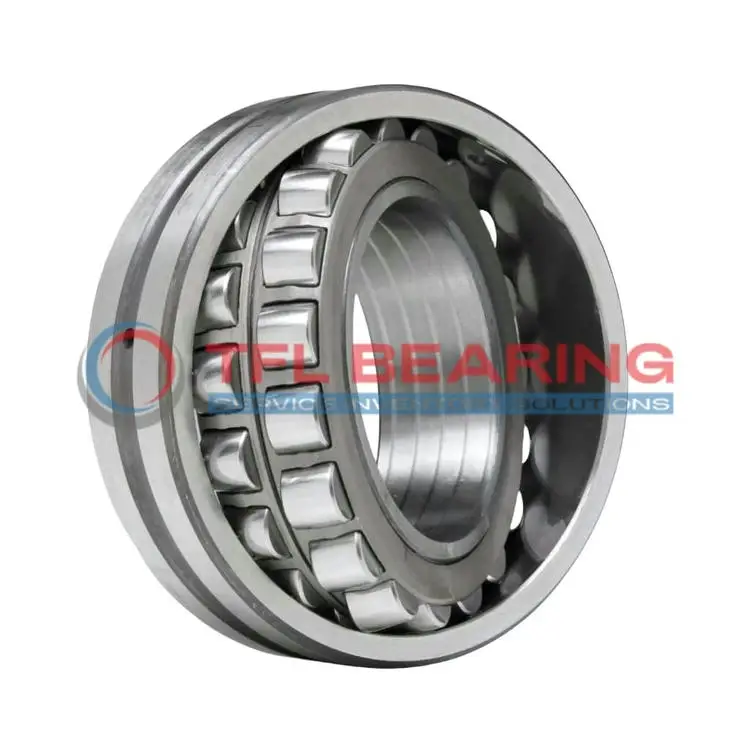
The 775-772 is a single-row tapered roller bearing with a 3.5″ bore and 7.125″ outer diameter, built from sturdy chrome steel. It handles combined loads up to 77800 lbf radially and 13300 lbf thrust, making it a robust choice for heavy-duty applications.

Its open design allows for easy lubrication, while the steel cage ensures durability under high stress. The bearing operates smoothly in temperatures ranging from -30°C to 110°C.

This model is interchangeable with Timken bearings, offering a reliable replacement option. Ideal for use in industrial machinery, gearboxes, or automotive systems where combined loads are common.

Weighing 12.6 lb, it’s designed for long-lasting performance with standard radial clearance. Compliant with RoHS and REACH standards for safe and environmentally friendly use.

Get A Free Quote

Product Parameters

  • Part Number 775-772
  • Brand TFL
  • Interchangeable Timken
  • Size 3.5" x 7.125" x 1.875"
  • Bore Dia 3.5"
  • Bore Dia Tolerance +0.001" to 0
  • Outer Dia 7.125"
  • Outer Dia Tolerance +0.001" to 0
  • Cone Width 1.89"
  • Cone Width Tolerance +0.003" to -0.01
  • Cup Width 1.5"
  • Cup Width Tolerance +0.002" to -0.01
  • Width 1.875"
  • Width Tolerance +0.008" to 0
  • Cone Backface ToClear Radius 0.190"
  • Cup Backface ToClear Radius 0.130"
  • Cone Frontface Backing Diameter 4.75"
  • Cone Backface Backing Diameter 4.41"
  • Cup Frontface Backing Diameter 6.65"
  • Cup Backface Backing Diameter 6.34"
  • Cage Cone Frontface Clearance 0.07"
  • Cage Cone Backface Clearance 0.13"
  • Effective Center Location -0.32"
  • System of Measurement Inch
  • Type Bearing
  • Cone Part Number 775
  • Cup Part Number 772
  • Bearing Type Roller
  • Roller Bearing Type Tapered
  • For Load Direction Combined
  • Construction Single Row
  • Seal Type Open
  • Cups Type Standard
  • Series 775
  • Ring Material Chrome Steel
  • Roller Material Chrome Steel
  • Cage Material Steel
  • Dynamic Radial Load 77800 lbf
  • Static Radial Load 111000 lbf
  • Dynamic Radial Rating(90 Million Revolutions)(C90) 20200 lbf
  • Dynamic Thrust Rating(90 Million Revolutions)(Ca90) 13300 lbf
  • Lubrication Required
  • Temperature Range -30° to 110 °C
  • ABEC Rating ABEC-1
  • Radial Clearance Standard (Available in C3/C4/C5)
  • RoHS Compliant
  • REACH Compliant
  • Weight 12.6 lb

Features

Performance Features of 775-772 Bearing

775-772 Bearing is built with chrome steel rings and rollers, offering strong resistance to combined loads.
Its dynamic radial load capacity reaches 77,800 lbf, ensuring reliable performance in heavy-duty applications.
The steel cage maintains roller alignment, reducing friction and extending operational life.
With a temperature range of -30° to 110°C, it performs well in various environmental conditions.

How Is 775-772 Bearing Engineered for Reliability?

775-772 Bearing features precise cone and cup width tolerances, ensuring consistent performance under load.
The tapered roller design distributes forces evenly, enhancing durability and reducing wear.
Its standard radial clearance options provide flexibility for different application needs.
Lubrication is required, but the design simplifies maintenance for long-term reliability.

Built for Durability: 775-772 Bearing

775-772 Bearing’s chrome steel construction resists wear, even in demanding industrial environments.
The single-row design combines radial and thrust load handling, making it versatile for various uses.
With a static radial load capacity of 111,000 lbf, it handles heavy loads with ease.
Its ABEC-1 rating ensures dependable precision for general applications.

Steel vs Ceramic Bearings: Strengths of 775-772 Bearing

775-772 Bearing’s chrome steel rollers and rings provide excellent strength and fatigue resistance.
The steel cage offers robust support, maintaining roller alignment under high stress.
Unlike ceramic options, it balances cost and performance for industrial applications.
Its standard lubrication requirements ensure smooth operation over long periods.

Application

Industrial Uses of 775-772 Bearing
775-772 Bearing is commonly used in heavy machinery, such as construction equipment and mining tools, where its tapered roller design handles combined loads effectively. The chrome steel construction ensures durability even in demanding environments.

In automotive applications, 775-772 Bearing fits well in wheel hubs and differential systems, providing reliable performance under radial and thrust loads. Its imperial sizing makes it a preferred choice for North American vehicle manufacturers.

For industrial conveyor systems, 775-772 Bearing’s open design allows for easy lubrication, extending its service life in high-use scenarios. The steel cage adds extra strength, making it suitable for continuous operation.

Why Is 775-772 Bearing Essential in Machinery?
775-772 Bearing plays a key role in agricultural machinery, supporting components like gearboxes and PTO shafts. Its tapered rollers distribute loads evenly, reducing wear over time.

In material handling equipment, 775-772 Bearing’s robust design ensures smooth operation under heavy loads. The standard radial clearance option makes it versatile for various industrial settings.

Built for Heavy-Duty Use: 775-772 Bearing
775-772 Bearing is ideal for forestry equipment, where its ability to handle combined loads keeps machinery running smoothly. The chrome steel rollers resist deformation under high stress.

In power transmission systems, 775-772 Bearing’s single-row design simplifies installation and maintenance. Its compatibility with Timken models adds to its versatility across different applications.

Automotive vs Aerospace: Applications of 775-772 Bearing
In automotive systems, 775-772 Bearing is often found in truck axles, where its durability supports heavy loads. The imperial measurements align with standard US vehicle specifications.

For aerospace ground equipment, 775-772 Bearing’s temperature range makes it suitable for use in varying conditions. However, its primary strength lies in industrial and automotive settings.


Q&A

SEND INQUIRY