







Super Precision Angular Contact Ball Bearings S71915 ACD/P4A

Super Precision Angular Contact Ball Bearings S71915 ACD/P4A

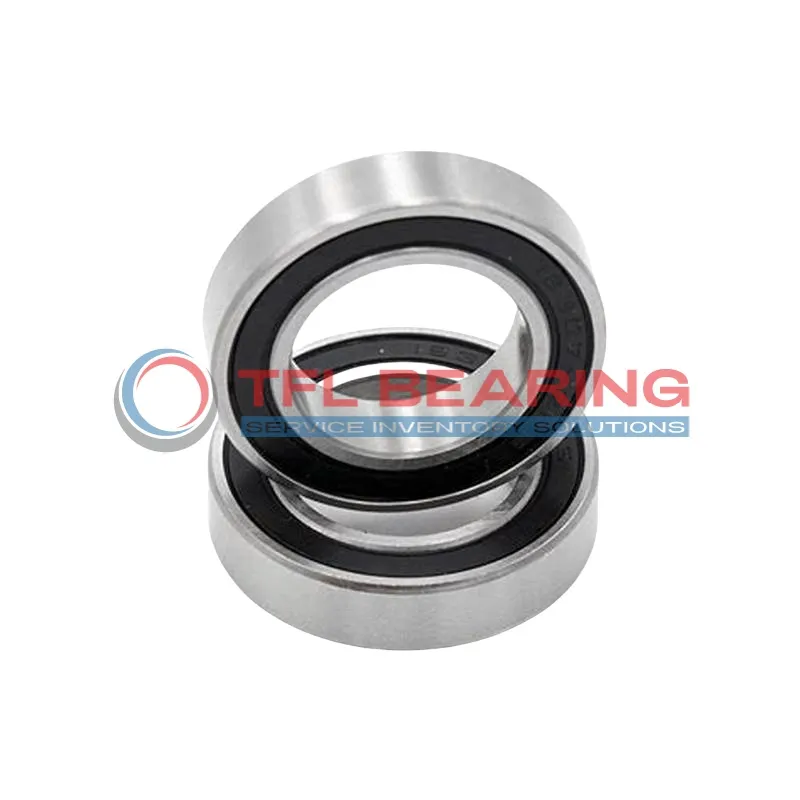
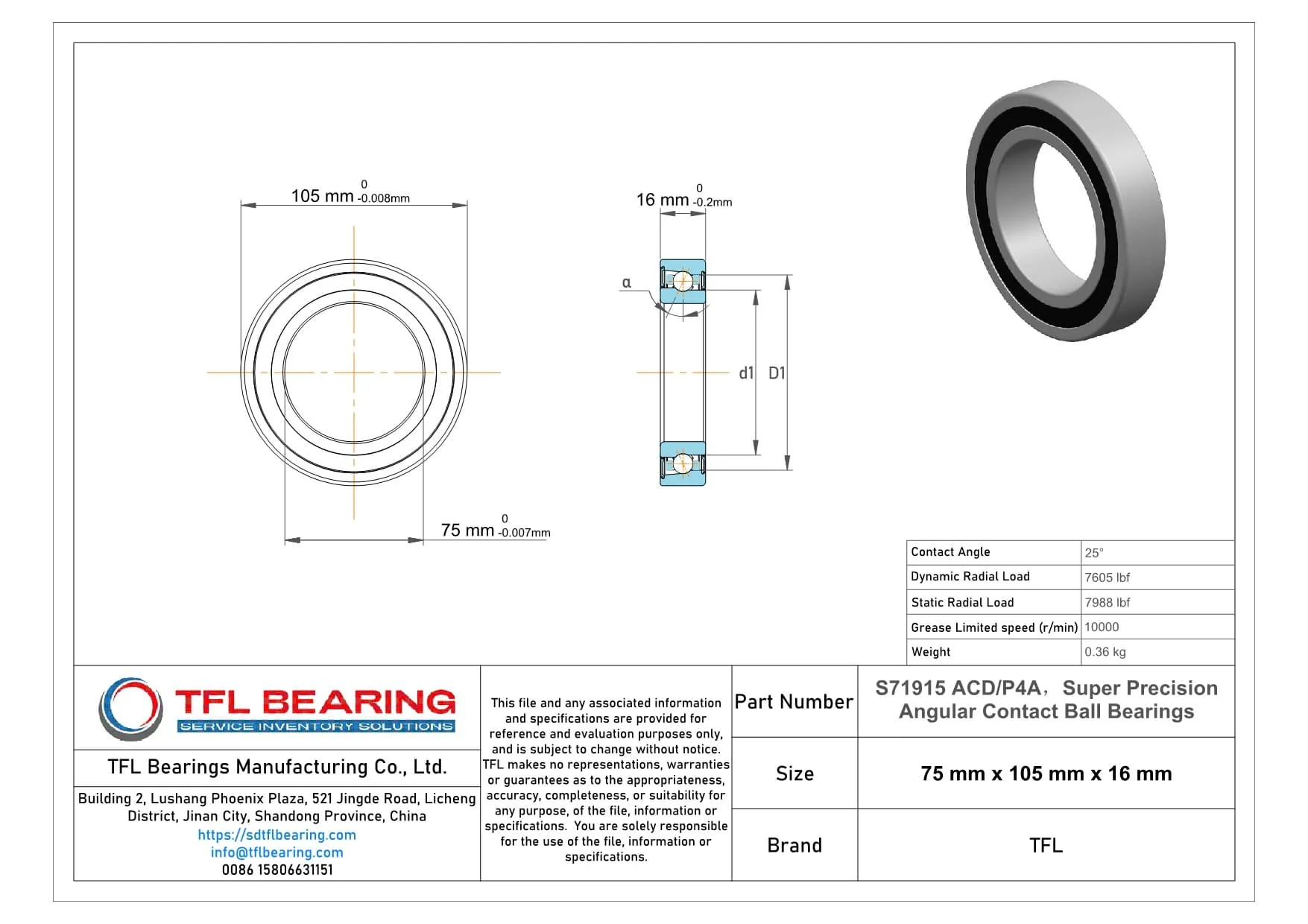
The S71915 ACD/P4A is a super precision angular contact ball bearing with a 75mm bore and 105mm outer diameter, crafted from high-grade chrome steel. Its 25° contact angle efficiently manages both radial and axial loads, making it versatile for demanding applications.

Sealed for protection against contaminants, this bearing comes pre-lubricated and can reach speeds up to 10,000 RPM. The phenolic cage ensures smooth operation and reduces friction, enhancing its lifespan.

With a P4 tolerance class, it offers exceptional accuracy for high-performance machinery. Ideal for spindle drives or precision tools where reliability is key.

Weighing 0.36kg, it’s robust yet compact. Compatible with SKF bearings, it’s a practical choice for replacements or upgrades. Suitable for environments with temperatures ranging from -30°C to 110°C.

Get A Free Quote

Product Parameters

  • Part Number S71915 ACD/P4A
  • Brand TFL
  • Interchangeable SKF
  • Bore Dia 75 mm
  • Bore Dia Tolerance -0.007mm to 0
  • Outer Dia 105 mm
  • Outer Dia Tolerance -0.008mm to 0
  • Width 16 mm
  • Width Tolerance -0.2mm to 0
  • Ball Dia 9.525 mm
  • Ball Qty 26
  • Contact Angle 25°
  • Tolerance Class P4 (ABEC-7)
  • System of Measurement Metric
  • Seal Type Sealed
  • Matched Arrangement Available
  • Preload Available
  • For Load Direction Angular Contact
  • Ring Material Chrome Steel
  • Ball Material Chrome Steel
  • Cage Material Phenolic
  • Dynamic Radial Load 7605 lbf
  • Static Radial Load 7988 lbf
  • Lubrication Lubricated
  • Temperature Range -30° to 110 °C
  • Max Speed 10000 rpm
  • Weight 0.36 kg
  • Price($) 886.392

Features

How Is S71915 ACD/P4A Bearing Engineered for Reliability?

S71915 ACD/P4A Bearing features a 25° contact angle, optimised for handling combined radial and axial loads.
The chrome steel construction ensures durability and resistance to wear in high-speed applications.

With a dynamic radial load capacity of 7605 lbf, it delivers consistent performance under stress.
Its phenolic cage maintains ball alignment, reducing friction and enhancing longevity.

The sealed design protects against contaminants, making it suitable for harsh environments.
Precision P4 tolerance ensures smooth operation, ideal for demanding industrial uses.

Lubrication is pre-applied, reducing maintenance needs and ensuring ready-to-use convenience.
Operating temperatures range from -30° to 110°C, accommodating various working conditions.

Application

Industrial Uses of S71915 ACD/P4A Bearing
S71915 ACD/P4A Bearing is commonly used in high-precision machine tools, where its angular contact design ensures accurate spindle rotation. The sealed construction helps maintain performance in environments with dust or debris.

In robotics, S71915 ACD/P4A Bearing supports articulated arms, providing smooth movement and long service life. Its phenolic cage reduces friction, making it ideal for repetitive motions.

For medical imaging devices, S71915 ACD/P4A Bearing’s P4 tolerance class delivers the precision needed for stable operation. The chrome steel rings and balls offer durability in critical healthcare applications.

What Makes S71915 ACD/P4A Bearing a Preferred Choice?
S71915 ACD/P4A Bearing works well in electric motors, handling both radial and axial loads efficiently. Its lubricated design ensures quiet operation, perfect for household appliances like washing machines.

In aerospace applications, S71915 ACD/P4A Bearing’s matched arrangement provides consistent performance under varying loads. The temperature range suits both ground and flight conditions.

Built for Heavy-Duty Use: S71915 ACD/P4A Bearing
S71915 ACD/P4A Bearing excels in conveyor systems, where its high dynamic load capacity supports continuous operation. The 25° contact angle helps manage combined loads effectively.

For 3D printers, S71915 ACD/P4A Bearing ensures precise linear motion, contributing to print accuracy. The sealed design protects against dust, extending maintenance intervals.

Q&A

SEND INQUIRY