







Super Precision Angular Contact Ball Bearings S7028 ACDGA/P4A

Super Precision Angular Contact Ball Bearings S7028 ACDGA/P4A

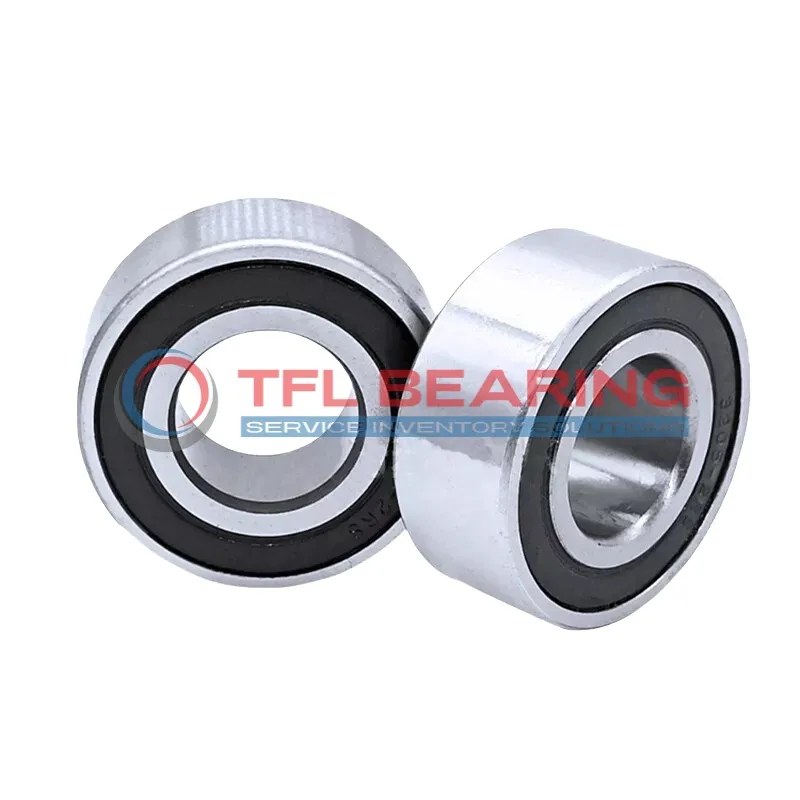
The S7028 ACDGA/P4A is a super precision angular contact ball bearing, measuring 140mm by 210mm by 33mm. Made from chrome steel, it handles radial loads up to 32850 lbf and spins smoothly at speeds up to 11000 RPM.

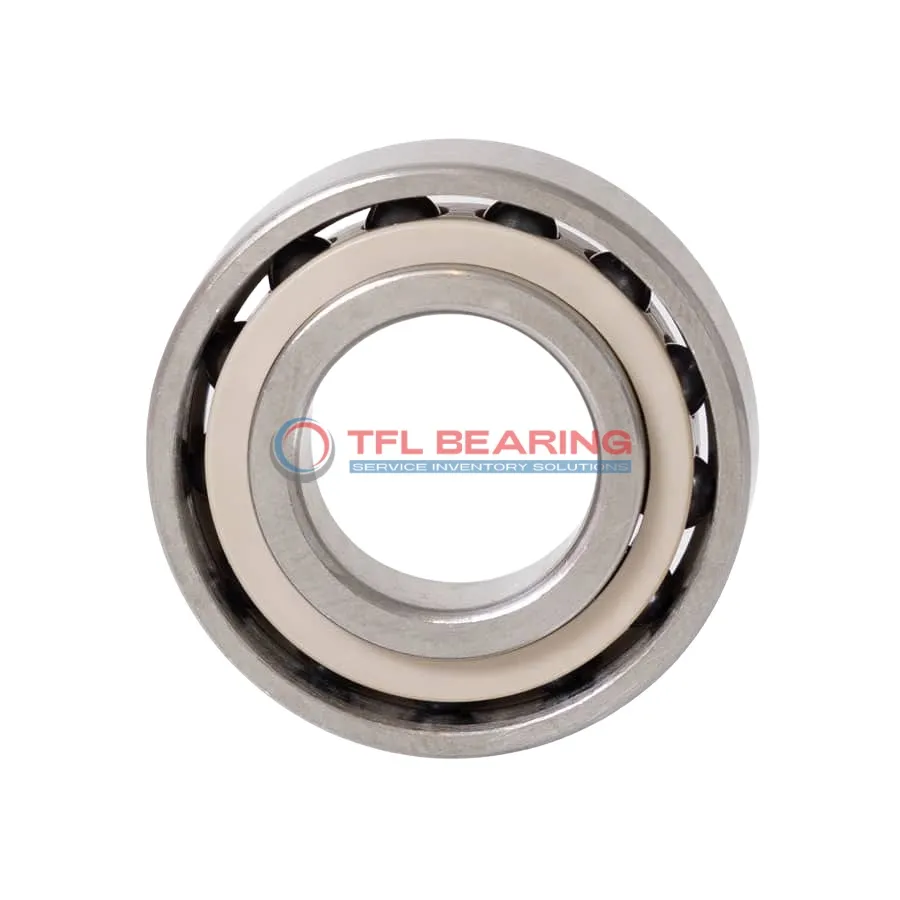
Its 25° contact angle and sealed design ensure reliable performance in demanding conditions. The phenolic cage adds durability while keeping the bearing lightweight.

This bearing is ideal for high-precision applications like machine tools or spindle drives. It operates in temperatures from -30°C to 110°C and comes pre-lubricated with grease for easy maintenance.

With a P4A tolerance class, it offers exceptional accuracy. The bearing can be arranged back-to-back, face-to-face, or tandem, making it versatile for various setups. Weighing 3.44kg, it balances strength and precision.

Get A Free Quote

Product Parameters

  • Part Number S7028 ACDGA/P4A
  • Brand TFL
  • Interchangeable SKF
  • Bore Dia 140 mm
  • Bore Dia Tolerance -0.004mm to 0
  • Outer Dia 210 mm
  • Outer Dia Tolerance -0.004mm to 0
  • Width 33 mm
  • Width Tolerance -0.2mm to 0
  • Ball Dia 22.225 mm
  • Ball Qty 22
  • Contact Angle 25°
  • Tolerance Class P4A
  • System of Measurement Metric
  • Seal Type Sealed
  • Matched Arrangement No
  • Number Of Bearings In Matched Set 3
  • Universal Matching Bearing Yes, back-to-back (<>), face-to-face (><) or tandem (>>)
  • Preload Extra light / Class A
  • For Load Direction Angular Contact
  • Ring Material Chrome Steel
  • Ball Material Chrome Steel
  • Cage Material Phenolic
  • Dynamic Radial Load 32850 lbf
  • Static Radial Load 35100 lbf
  • Lubrication Grease
  • Temperature Range - 30°C to 110 °C
  • Max Speed 11000 rpm
  • Weight 3.44 kg

Features

Performance Features of S7028 ACDGA/P4A Bearing

S7028 ACDGA/P4A Bearing is crafted with chrome steel rings and balls, ensuring high precision and durability.
Its 25° contact angle allows for efficient handling of combined radial and axial loads.

The phenolic cage in S7028 ACDGA/P4A Bearing provides stability and reduces friction during high-speed operation.
With a maximum speed of 11,000 rpm, it delivers reliable performance in demanding applications.

S7028 ACDGA/P4A Bearing operates smoothly within a temperature range of -30°C to 110°C.
Its sealed design and grease lubrication minimise maintenance needs while extending service life.

The P4A tolerance class ensures S7028 ACDGA/P4A Bearing meets strict precision requirements.
Its dynamic radial load capacity of 32,850 lbf makes it suitable for heavy-duty machinery.

Application

Common Applications of S7028 ACDGA/P4A Bearing
In high-speed machine tools, S7028 ACDGA/P4A Bearing excels due to its precision angular contact design, ensuring smooth rotation under heavy radial loads. The sealed construction keeps contaminants out, extending service life in demanding environments.

Where Is S7028 ACDGA/P4A Bearing Used?
You’ll often find S7028 ACDGA/P4A Bearing in aerospace applications, where its extra-light preload and P4A tolerance class meet strict performance requirements. Its phenolic cage also reduces friction, ideal for turbine engines and flight control systems.

Optimized for Performance: S7028 ACDGA/P4A Bearing
This bearing is a go-to for robotics, particularly in articulated arms requiring high rigidity and low vibration. The 25° contact angle provides excellent axial load capacity, while the grease lubrication ensures quiet operation.

Automotive vs Aerospace: Applications of S7028 ACDGA/P4A Bearing
In automotive testing rigs, S7028 ACDGA/P4A Bearing handles dynamic loads with ease, thanks to its chrome steel construction. For aerospace, its universal matching capability simplifies assembly in complex gearbox configurations.

Practical Applications of S7028 ACDGA/P4A Bearing
Medical imaging devices benefit from S7028 ACDGA/P4A Bearing’s consistent precision and low heat generation. The sealed design also prevents lubricant leakage, crucial for maintaining sterile environments in surgical equipment.

Q&A

SEND INQUIRY