







Super Precision Angular Contact Ball Bearings 7212 CD/HCP4ADGA

Super Precision Angular Contact Ball Bearings 7212 CD/HCP4ADGA

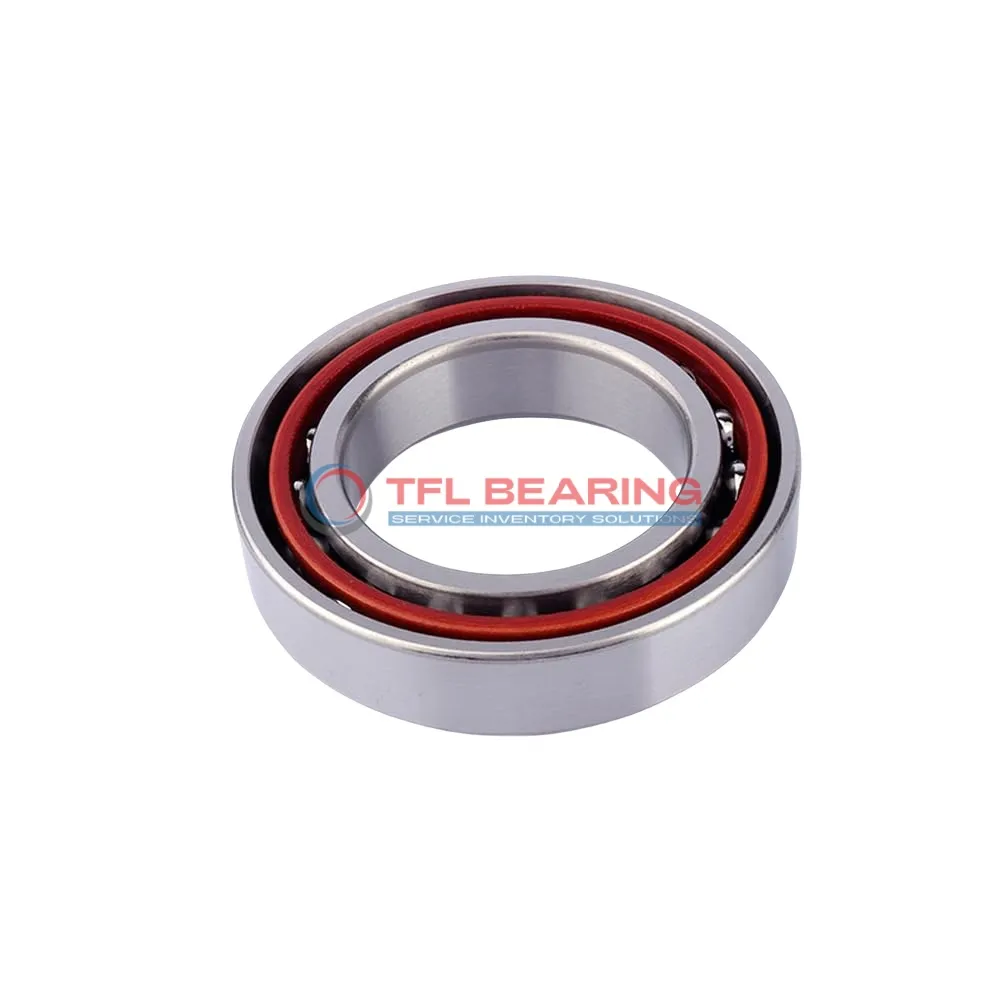
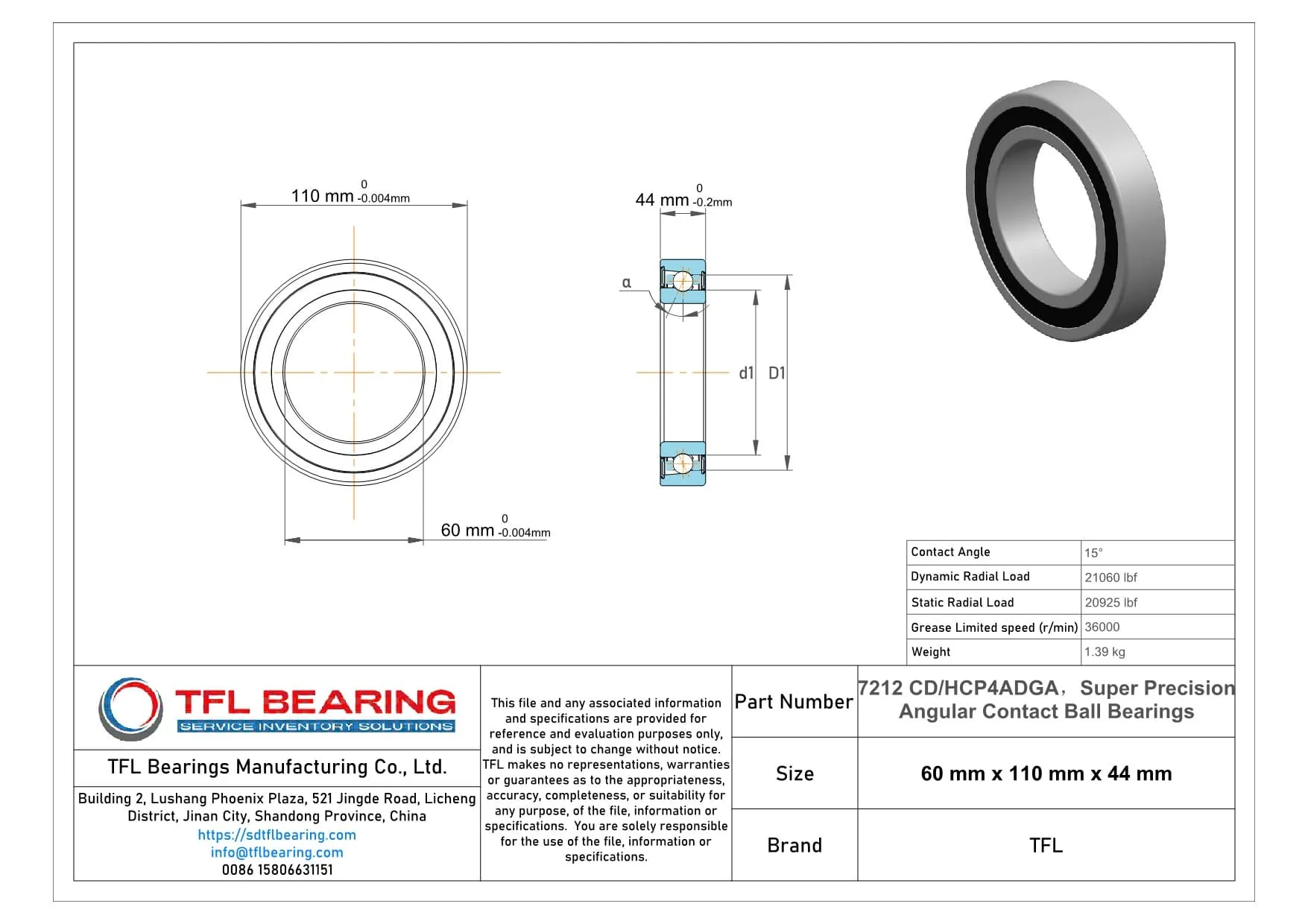
The 7212 CD/HCP4ADGA is a super precision angular contact ball bearing with a 60mm bore and 110mm outer diameter, crafted from high-quality chrome steel. It features a 15° contact angle and ceramic balls for smooth operation under radial loads up to 21060 lbf.

With an extra light preload and phenolic cage, it spins efficiently at speeds up to 36000 RPM. The open design allows for easy lubrication, while the P4A tolerance class ensures consistent performance.

This bearing is part of a matched set, suitable for universal arrangements like back-to-back or face-to-face mounting. Ideal for high-speed applications such as machine tool spindles or precision equipment.

Weighing 1.39kg, it operates reliably in temperatures from -30°C to 110°C. Interchangeable with SKF bearings, it offers a practical solution for demanding industrial needs.

Get A Free Quote

Product Parameters

  • Part Number 7212 CD/HCP4ADGA
  • Brand TFL
  • Interchangeable SKF
  • Bore Dia 60 mm
  • Bore Dia Tolerance -0.004mm to 0
  • Outer Dia 110 mm
  • Outer Dia Tolerance -0.004mm to 0
  • Width 44 mm
  • Width Tolerance -0.2mm to 0
  • Ball Dia 14.288 mm
  • Ball Qty 16
  • Contact Angle 15°
  • Tolerance Class P4A
  • System of Measurement Metric
  • Seal Type Open
  • Matched Arrangement Universal matching
  • Number Of Bearings In Matched Set 2
  • Universal Matching Bearing Yes, back-to-back (<>), face-to-face (><) or tandem (>>)
  • Preload Extra light / Class A
  • For Load Direction Angular Contact
  • Ring Material Chrome Steel
  • Ball Material Ceramic
  • Cage Material Phenolic
  • Dynamic Radial Load 21060 lbf
  • Static Radial Load 20925 lbf
  • Lubrication Lubricated
  • Temperature Range - 30°C to 110 °C
  • Max Speed 36000 rpm
  • Weight 1.39 kg
  • Price($) 344.214

Features

Performance Features of 7212 CD/HCP4ADGA Bearing

7212 CD/HCP4ADGA Bearing is designed with a 15° contact angle, optimising load distribution for angular contact applications.
Its chrome steel rings and ceramic balls reduce friction, enhancing precision and durability.

The phenolic cage ensures smooth operation at high speeds, up to 36,000 rpm.
With universal matching capability, it offers flexibility in back-to-back, face-to-face, or tandem arrangements.

7212 CD/HCP4ADGA Bearing’s extra light preload (Class A) ensures minimal friction and improved efficiency.
Its dynamic radial load capacity of 21,060 lbf makes it suitable for demanding industrial applications.

The open design allows easy lubrication, maintaining performance in temperatures from -30°C to 110°C.
Precision-engineered to P4A tolerance standards, it delivers reliable and consistent operation.

Application

Industrial Uses of 7212 CD/HCP4ADGA Bearing
The 7212 CD/HCP4ADGA Bearing is a go-to choice for high-speed machine tools, where its ceramic balls and phenolic cage reduce friction and heat buildup. Its universal matching design allows flexible arrangements in back-to-back or face-to-face configurations.

Where Is 7212 CD/HCP4ADGA Bearing Used?
You’ll often spot 7212 CD/HCP4ADGA Bearing in automotive transmissions, where its 15° contact angle handles combined radial and axial loads smoothly. The P4A tolerance ensures precision even at speeds up to 36,000 rpm.

Perfect Fit for Automation: 7212 CD/HCP4ADGA Bearing
In robotic arms, 7212 CD/HCP4ADGA Bearing’s extra-light preload minimises vibration for pinpoint accuracy. The chrome steel rings and ceramic balls offer a balanced mix of durability and lightweight performance.

Medical vs Industrial: Where 7212 CD/HCP4ADGA Bearing Excels
While 7212 CD/HCP4ADGA Bearing suits MRI scanners with its non-magnetic ceramic balls, it’s equally at home in industrial pumps. The lubricated design ensures quiet operation in both settings.

Key Fields for 7212 CD/HCP4ADGA Bearing
Aerospace applications benefit from 7212 CD/HCP4ADGA Bearing’s ability to handle extreme temperatures (-30°C to 110°C). The matched set option simplifies installation in critical flight systems.

Q&A

SEND INQUIRY