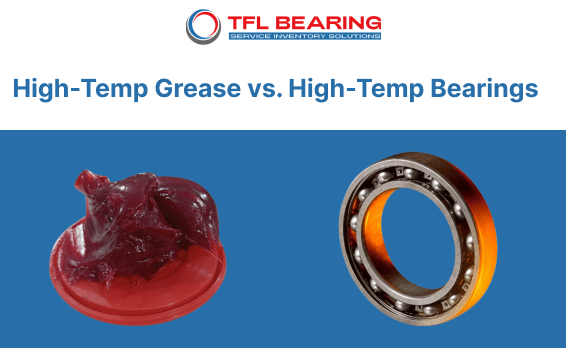








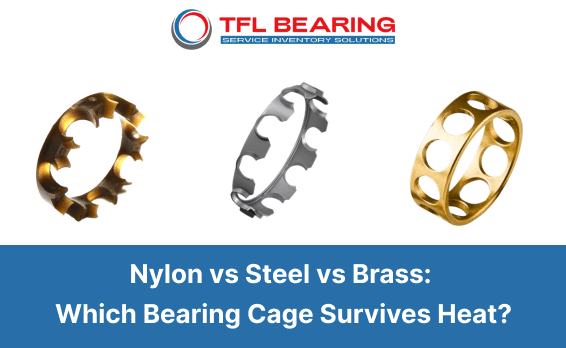
Nylon vs Steel vs Brass: Which Bearing Cage Survives Heat?
Compare Nylon (TN9), Pressed Steel, and Machined Brass (M) bearing cages under high heat. Explore 4 practical case scenarios to prevent premature cage failure.
Read articleCompare leading global bearing brands and explore compatible TFL alternatives by model, product type and application.
View all Brands GuideMatch manufacturer part numbers with interchangeable TFL bearing options and model-selection support.
Browse bearing solutions by equipment, operating environment and industry.
Practical guidance on bearing selection, applications, maintenance and sourcing.
Compare Nylon (TN9), Pressed Steel, and Machined Brass (M) bearing cages under high heat. Explore 4 practical case scenarios to prevent premature cage failure.
Read article
Find answers about quality, orders, technical support and after-sales service.
Use our articles, reference tools and customer resources to support sourcing decisions.
Learn about TFL Bearing, our quality systems and supply capabilities.
View all About & CapabilitiesAccess engineering support and services throughout the purchasing process.
View all Services & SupportExplore customer projects, sourcing partnerships and ways to contact our team.
View all Work With TFL
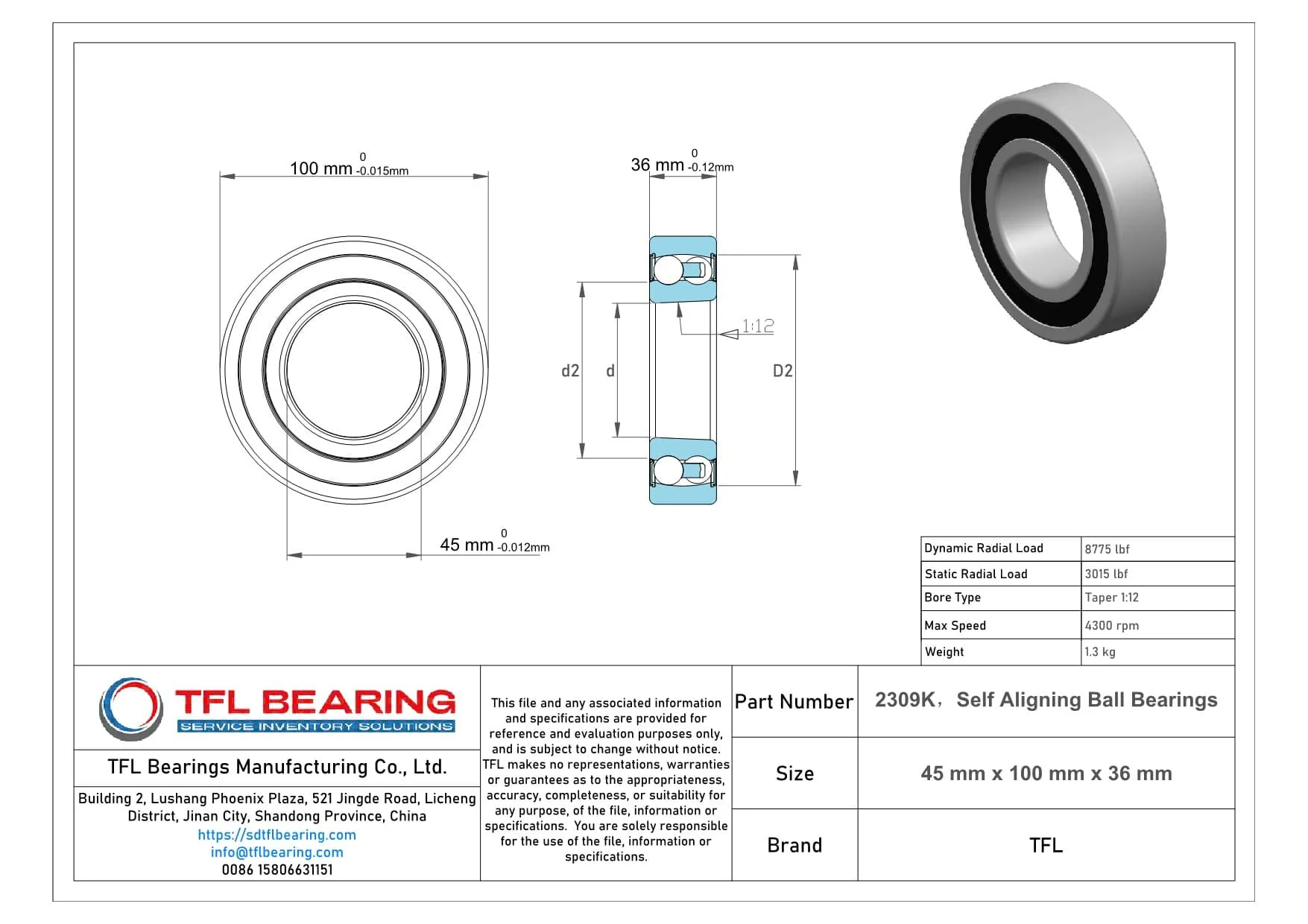
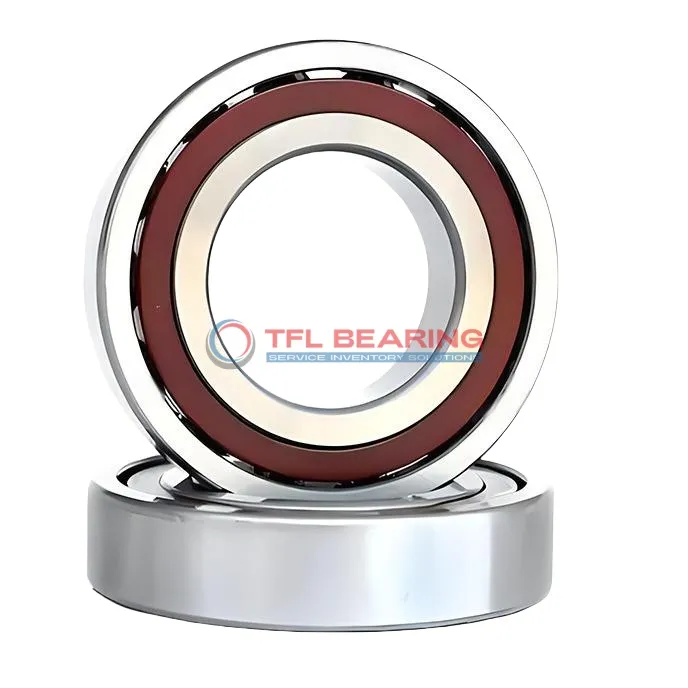
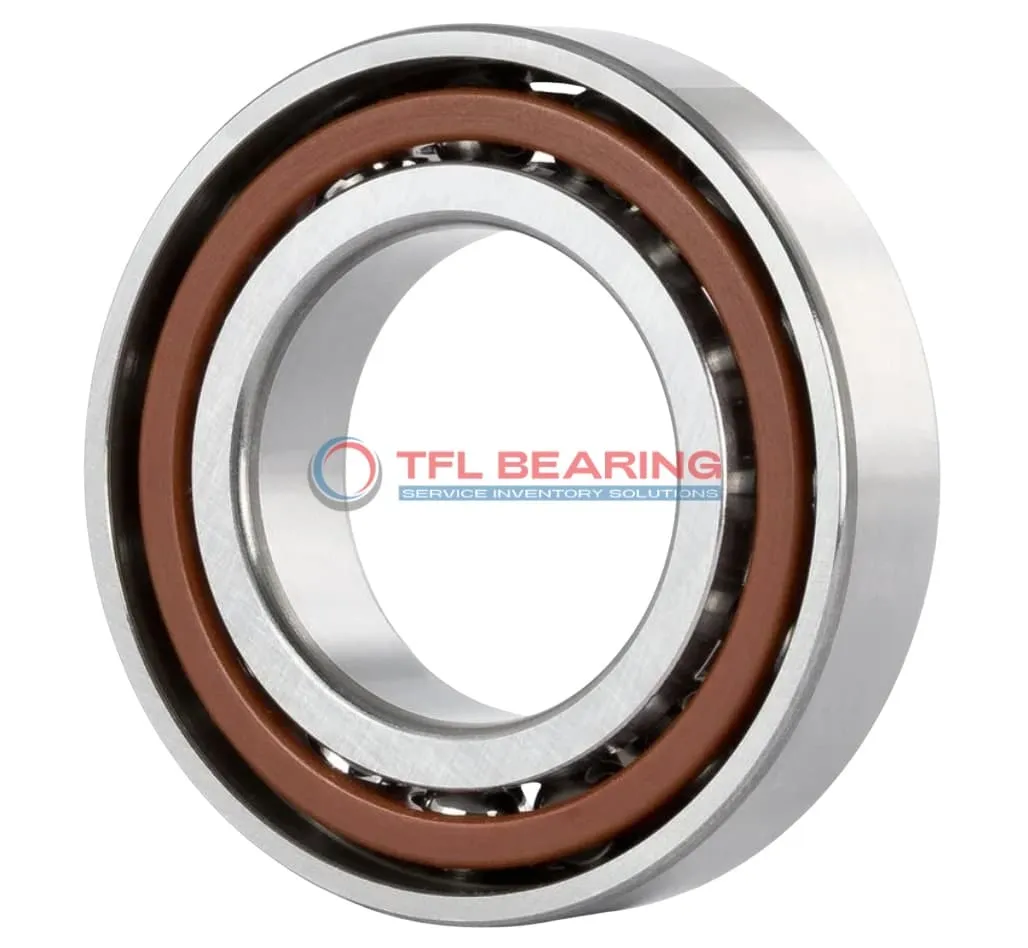
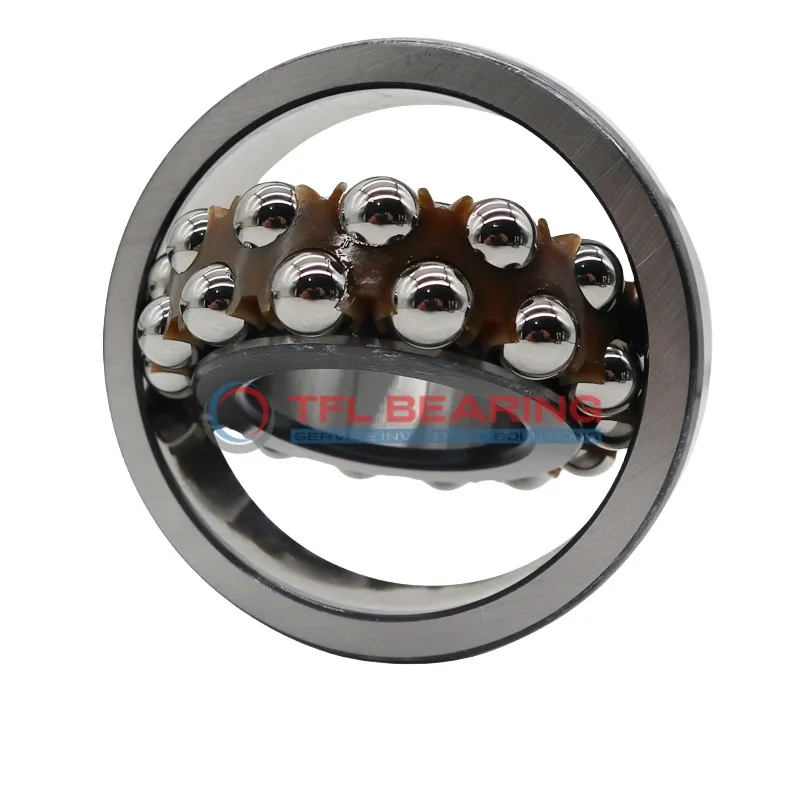
The 2309K is a self-aligning ball bearing with a 45mm tapered bore and 100mm outer diameter, crafted from sturdy chrome steel. It manages radial loads up to 8775 lbf and runs smoothly at speeds up to 4300 RPM.
Its double-row design and sealed construction help it stay aligned and protected from dust, while the nylon cage reduces noise. The bearing comes pre-lubricated and works in temperatures from -30°C to 110°C.
This model is interchangeable with SKF bearings, offering a reliable alternative for replacements. Perfect for machinery with misalignment issues, like conveyor systems or agricultural equipment.
Weighing 1.3kg, it’s robust yet manageable for its size. Compliant with RoHS and REACH standards for safe use.
Why Choose 2309K Bearing for Precision Tasks?
2309K Bearing features a double-row design, providing excellent radial load capacity up to 8775 lbf.
Its chrome steel rings and balls ensure durability and smooth operation in various applications.
The sealed construction of 2309K Bearing keeps contaminants out, enhancing its reliability.
With a maximum speed of 4,300 rpm, it offers consistent performance under demanding conditions.
2309K Bearing’s nylon cage reduces friction and noise, making it suitable for precision tasks.
Its tapered bore design simplifies installation, ensuring a secure fit on shafts.
The lubricated design of 2309K Bearing extends maintenance intervals, reducing downtime.
It operates efficiently within a temperature range of -30° to 110°C, adapting to diverse environments.
Industrial Uses of 2309K Bearing
2309K Bearing is commonly used in conveyor systems, where its self-aligning feature compensates for minor misalignments. The double-row design ensures stability under radial loads, making it suitable for heavy industrial environments.
Where Is 2309K Bearing Used?
You’ll find 2309K Bearing in agricultural machinery, such as harvesters, where its sealed design protects against dust and debris. The tapered bore also ensures a secure fit on shafts, reducing slippage during operation.
Built for Heavy-Duty Use: 2309K Bearing
2309K Bearing handles high radial loads in mining equipment, thanks to its chrome steel construction. The nylon cage reduces friction, extending the bearing’s lifespan even in demanding conditions.
Automotive vs Industrial: Applications of 2309K Bearing
In automotive applications, 2309K Bearing supports auxiliary components like fans and pumps. Its lubricated design ensures smooth performance, while in industrial settings, it excels in machinery requiring consistent radial load support.
Perfect Fit for Automation: 2309K Bearing
2309K Bearing is ideal for robotic arms, where its self-aligning capability accommodates movement variations. The sealed construction also prevents contamination, ensuring reliable performance in automated systems.