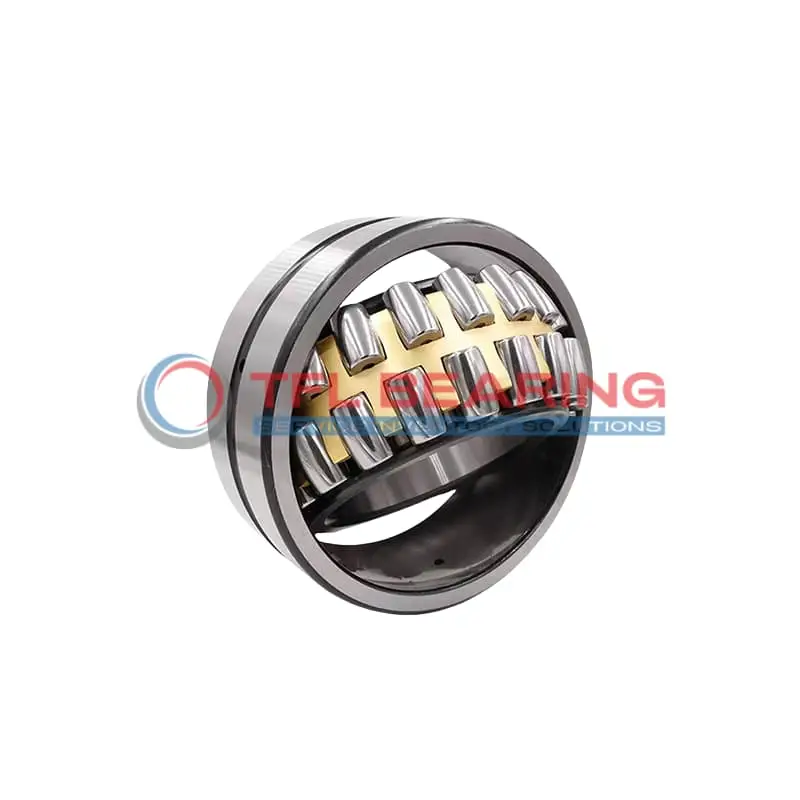








22248 CY C3 W33 Double Row Spherical Roller Bearing

22248 CY C3 W33 Double Row Spherical Roller Bearing

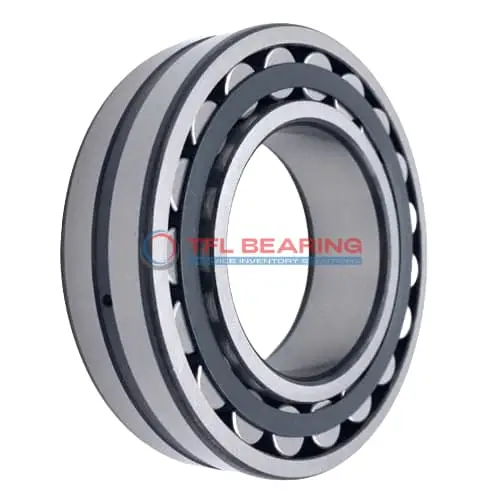
The 22248 CY C3 W33 is a double-row spherical roller bearing with a 240mm bore and 440mm outer diameter, built from sturdy chrome steel. It handles combined loads up to 507619 lbf and runs smoothly at speeds up to 1800 RPM.

Its brass cage and open design ensure durability, while the C3 radial clearance allows for thermal expansion. The bearing includes lubrication grooves and holes for easy maintenance.

This model is interchangeable with SKF bearings, making it a practical choice for replacements. Suitable for heavy-duty applications like industrial gearboxes or mining equipment where high radial loads are common.

Weighing 80kg, it’s robust yet manageable for its size. Compliant with RoHS and REACH standards, it operates in temperatures from -30°C to 200°C.

Get A Free Quote

Product Parameters

  • Part Number 22248 CY C3 W33
  • Brand TFL
  • Interchangeable SKF
  • Size 240 x 440 x 120 mm
  • Bore Dia 240 mm
  • Bore Dia Tolerance -0.03mm to 0
  • Outer Dia 440 mm
  • Outer Dia Tolerance -0.045mm to 0
  • Width 120 mm
  • Width Tolerance -0.08mm to 0
  • Shoulder Dia Of Inner Ring 290 mm
  • Shoulder/Recess Dia Of Outer Ring 383 mm
  • Width Of Lubrication Groove 22.3 mm
  • Diameter Of Lubrication Hole 12 mm
  • Chamfer Dimension min.4 mm
  • System of Measurement Metric
  • Radial run-out Standard
  • Bearing Type Roller
  • Roller Bearing Type Spherical
  • Bore Type Cylindrical
  • For Load Direction Combined
  • Construction Double Row
  • Seal Type Open
  • Ring Material Chrome Steel
  • Roller Material Chrome Steel
  • Cage Material Brass
  • Dynamic Radial Load 507619 lbf
  • Static Radial Load 674427 lbf
  • Max Speed 1800 rpm
  • Lubrication Required
  • Temperature Range -30° to 200 °C
  • Radial Clearance C3
  • RoHs Compliant
  • REACH Compliant
  • Weight 80 kg
  • Price (US$) US$1,189.62

Features

How Is 22248 CY C3 W33 Bearing Engineered for Reliability?

22248 CY C3 W33 Bearing features a double row spherical roller design, ideal for handling combined radial and thrust loads.
Its chrome steel rings and rollers provide high resistance to wear, ensuring long-term durability.

The brass cage maintains proper roller alignment, reducing friction and enhancing performance.
With a dynamic radial load capacity of 507619 lbf, it excels in heavy-duty applications.

22248 CY C3 W33 Bearing operates efficiently within a temperature range of -30° to 200°C.
Its C3 radial clearance allows for thermal expansion, making it suitable for high-speed operations up to 1800 rpm.

The lubrication groove and hole design ensure consistent oil flow, reducing maintenance needs.
This bearing is built to last, offering reliable performance in demanding industrial environments.

Application

Industrial Uses of 22248 CY C3 W33 Bearing
22248 CY C3 W33 Bearing is commonly used in heavy machinery like crushers and vibrating screens, where its double-row design handles both radial and axial loads efficiently. The brass cage adds durability, making it suitable for high-vibration environments.

What Makes 22248 CY C3 W33 Bearing a Preferred Choice?
In mining equipment, 22248 CY C3 W33 Bearing’s spherical roller design accommodates misalignment, reducing wear in harsh conditions. Its C3 radial clearance ensures reliable performance under thermal expansion.

Built for Heavy-Duty Use: 22248 CY C3 W33 Bearing
For wind turbines, 22248 CY C3 W33 Bearing’s large bore and high load capacity support smooth rotation in variable weather. The lubrication groove simplifies maintenance, extending service life.

Automotive vs Aerospace: Applications of 22248 CY C3 W33 Bearing
In large trucks, 22248 CY C3 W33 Bearing withstands heavy loads in axles and transmissions. Its temperature range also makes it adaptable for industrial fans in aerospace ground support.

Essential Roles of 22248 CY C3 W33 Bearing
In paper mills, 22248 CY C3 W33 Bearing’s chrome steel construction resists corrosion from moisture and chemicals. The open design allows for easy relubrication during routine checks.

Q&A

SEND INQUIRY