









Thin Section Ball Bearings

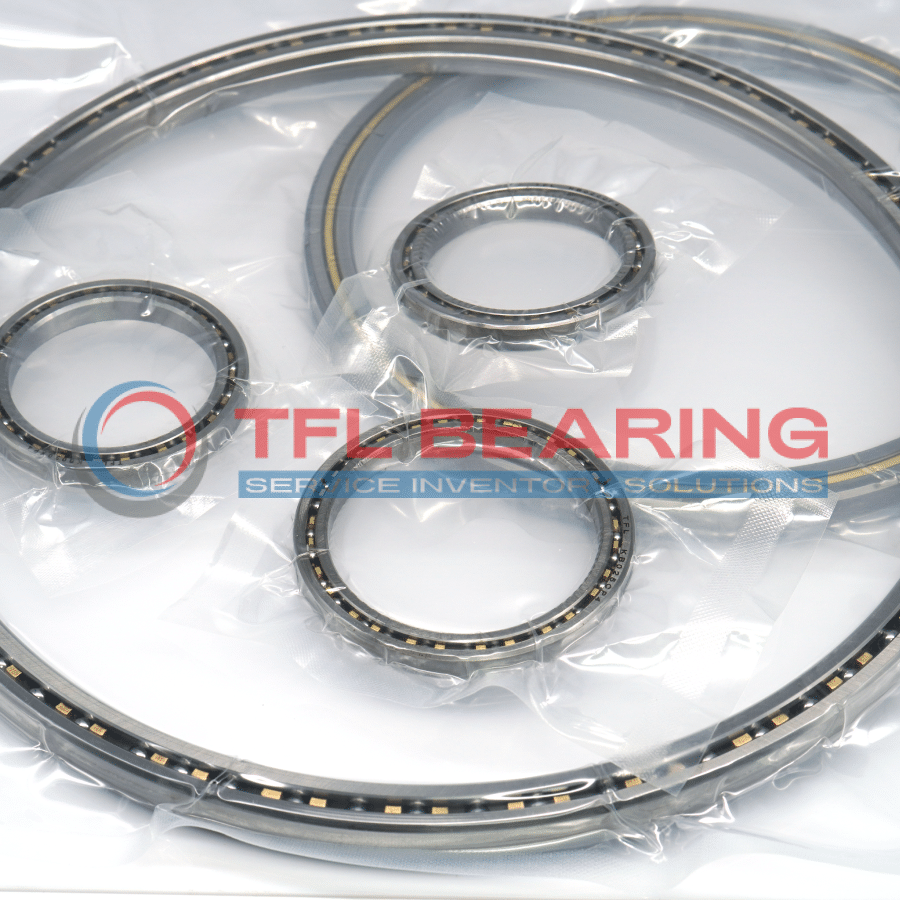
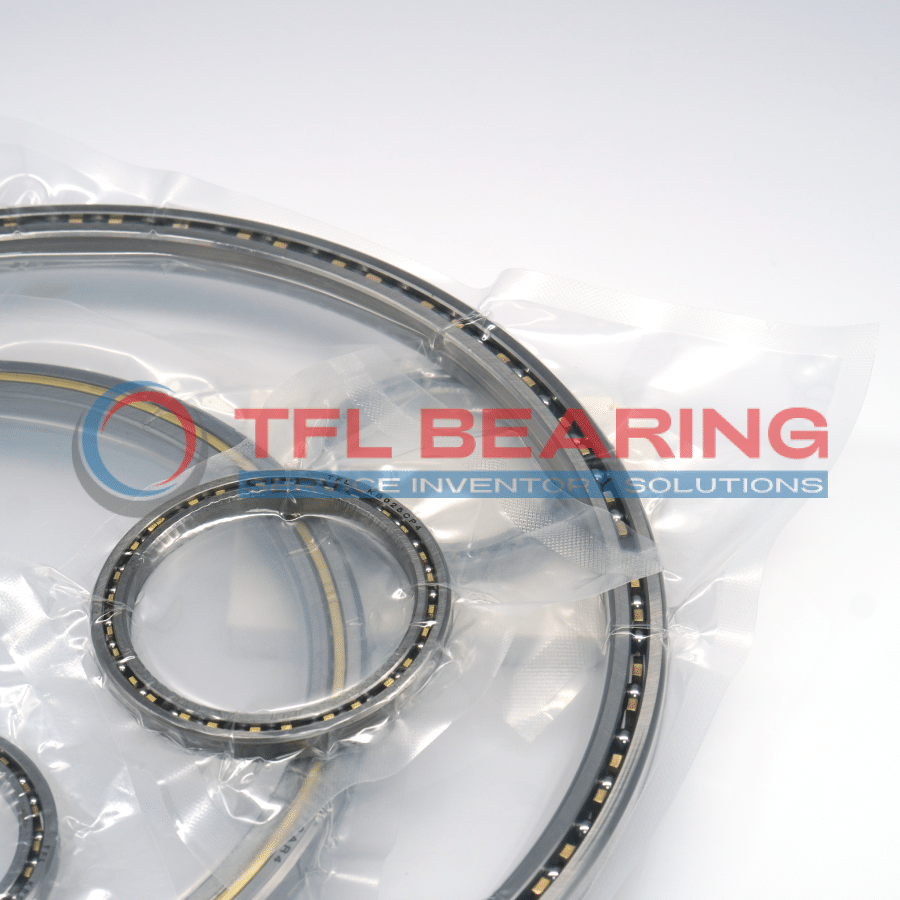
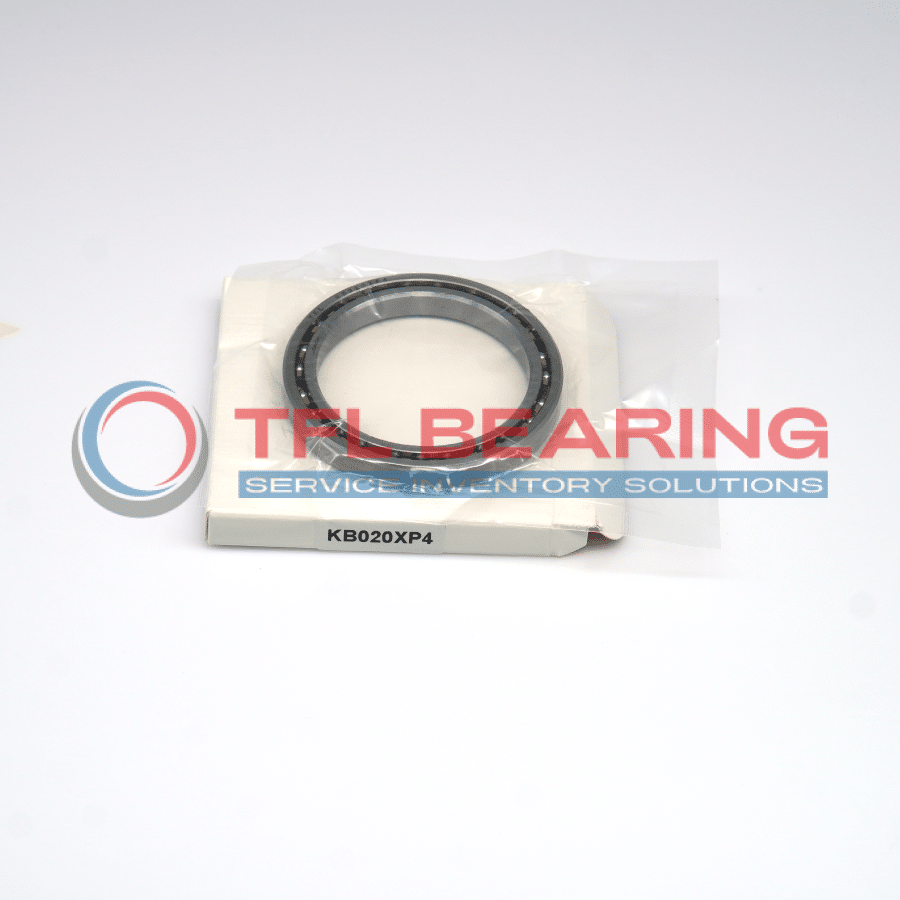
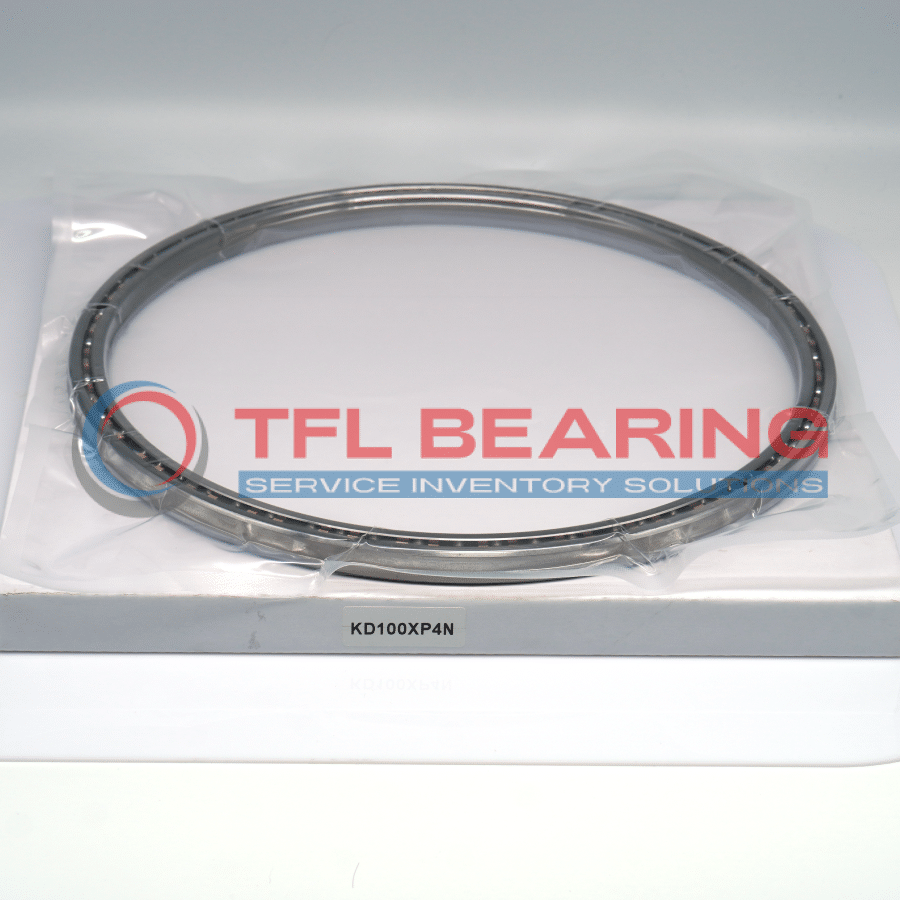
Thin section ball bearings are single-row radial bearings with a low-profile cross-section for compact housings and restricted installation space. This product list covers 381 metric and inch variants across 638, 67, 68, 69, ET and ER series, including open, ZZ shielded and 2RS sealed options in chrome steel or stainless steel. Metric bore sizes range from 10 to 95 mm, while inch ER models cover 0.375 to 0.750 inch. Distributors can compare bore, outer diameter, width, material, seal type, radial load rating and speed directly in the list. TFL supports bearing distributors, importers and industrial resellers with mixed-model quotations, cross-reference review, OEM or neutral packaging, pre-shipment checks and consolidated sourcing coordination.

Exceptionally Small, Constant Cross-Section
Versatile Load Capabilities
- Radial contact (Type C) optimised for primary radial loads;
- Angular contact (Type A) ideal for handling combined radial and axial loads;
- Four-Point Contact (Type X) capable of supporting radial, axial (in both directions), and moment loads individually or in combination.


Enhanced Design Flexibility
Thin Section Ball Bearing Selection and Distributor Sourcing Guide
How to Choose a Thin Section Ball Bearing
Start with the required bore, outer diameter and width rather than relying only on terms such as thin-wall, slim or low-profile bearing. Then confirm radial load, operating speed, available housing space, shaft and housing fits, seal type, material, clearance and lubrication. The models in this list are primarily radial bearings. If the application has substantial axial load, moment load or unusual rigidity requirements, the complete bearing arrangement should be reviewed before approving a replacement.Selection Note for Distributors
For replacement and mixed-model quotations, request the complete bearing number, d × D × B dimensions, suffix, material and required quantity. Shield, seal, clearance and material suffixes are not identical across all brands, so a partial part number can result in the wrong quotation. For larger RFQs, original brand references, annual demand and packaging requirements are also useful for comparing sourcing options.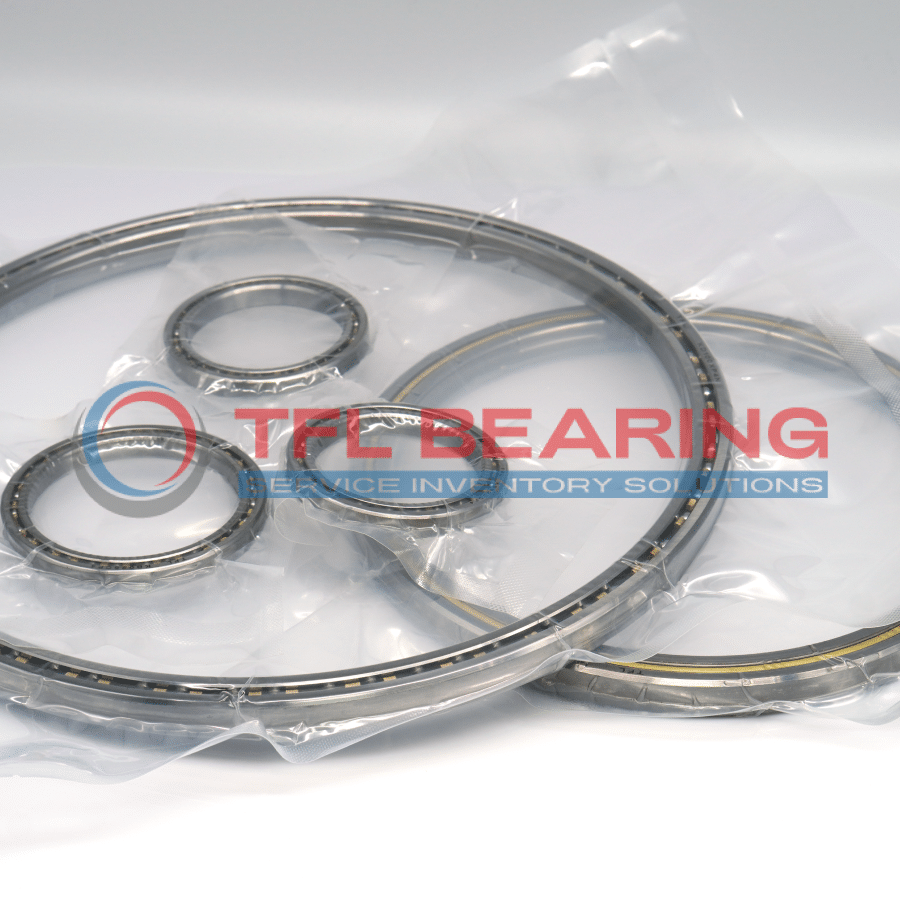
Common Series and Model Range
| Series | Available Size Range | Distributor Selection Note |
|---|---|---|
| 67 series | 10–50 mm bore, 3–6 mm width | Ultra-narrow metric options for RFQs where installation width is tightly limited. |
| 68 series | 10–95 mm bore, 5–13 mm width | Broad size coverage with a balance between compact dimensions and radial load capacity. |
| 69 series | 10–90 mm bore, 6–18 mm width | Uses a wider section than comparable 67 and 68 models and generally provides higher radial capacity. |
| 638 series | 10–30 mm bore, 7–10 mm width | Compact metric models available in chrome steel and stainless steel configurations. |
| ET / SET series | 15–20 mm bore, 3.5–4.5 mm width | Very narrow metric options for specialized replacement and compact-mechanism inquiries. |
| ER / SER series | 0.375–0.750 inch bore, 0.1562-inch width | Useful for inch-size replacement lists; confirm complete dimensions and material before interchange. |
How to Read a Model Number: 6704ZZ Example
In 6704ZZ, “67” identifies the thin 67 series, “04” is the standard bore code corresponding to a 20 mm bore, and “ZZ” indicates two metal shields. The complete size is 20 × 27 × 4 mm. In this product range, an initial “S”, such as S6704ZZ, is used for the stainless steel version. The designation is useful for initial cross-reference work, but dimensions, material, clearance and shield configuration should still be confirmed before quotation.Open vs ZZ vs 2RS and Material Selection
| Configuration | Typical Selection Reason | Points to Confirm |
|---|---|---|
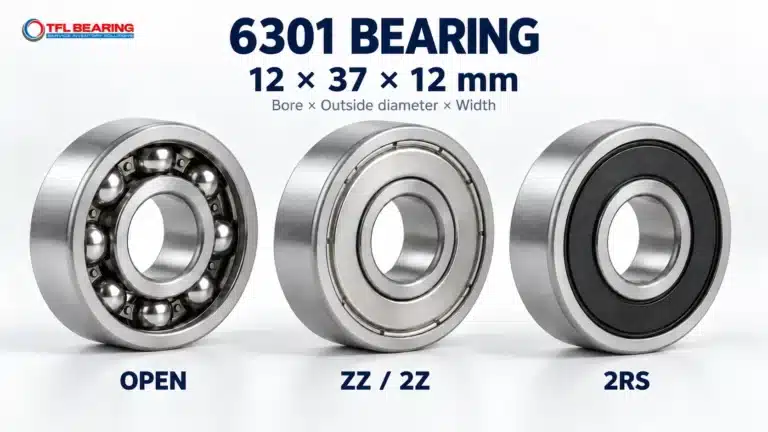
| Open | Direct access for application-specific oil or grease lubrication | Best suited to clean assemblies where lubrication and contamination are controlled separately. |
| ZZ shielded | Low-friction metal shields that help retain grease and reduce entry of light particles | Shields are not liquid-tight; confirm speed and contamination requirements. |
| 2RS sealed | Better protection from dust and moisture | Contact seals may increase running torque and reduce permissible speed. |
| Chrome steel | General industrial use, broad availability and competitive pricing | Confirm corrosion exposure, storage conditions and lubrication. |
| Stainless steel | Improved resistance to moisture and mild corrosion | Confirm stainless grade, chemical exposure and required load rating for the exact model. |
Key Specifications to Confirm Before Quotation
You do not need to provide every item below before requesting a quotation. The more information you can share, the faster TFL can confirm the correct bearing specification and suitable replacement options. For many distributor inquiries, the complete part number, quantity and any available brand reference, drawing or sample photo are enough for us to begin the review.| Specification | Why It Matters |
|---|---|
| Complete part number | Identifies the correct series, size and suffix configuration for cross-reference work. |
| Bore × outer diameter × width | Confirms basic dimensional interchangeability and available installation space. |
| Radial load requirement | A thinner section generally provides less radial capacity than a wider bearing of comparable bore size. |
| Operating speed and temperature | Influences seal, cage and lubricant selection. |
| Open, ZZ or 2RS | Affects contamination protection, lubricant retention and running torque. |
| Chrome steel or stainless steel | Affects corrosion resistance, available specifications and purchasing cost. |
| Clearance and tolerance | Many standard models in the current list use ABEC-1 and C0 specifications; state any different precision or clearance requirement in the RFQ. |
| Lubrication | Confirm standard grease, oil lubrication or any special temperature requirement. |
| Quantity and packaging | Required for MOQ, volume pricing, neutral or OEM packaging and shipment planning. |
SKF, FAG, NSK and NTN Replacement Notes
For mainstream-brand replacement inquiries, provide the complete original part number, including prefixes and suffixes. Codes such as ZZ, 2Z, 2RS, 2RS1, 2RSR, DDU and LLU may refer to broadly comparable shield or seal concepts across different designation systems, but they should not be treated as automatic proof of identical construction. TFL can help distributors compare dimensions, material, clearance, seal arrangement, load rating and speed before quoting an alternative.Common Applications
Thin section ball bearings are commonly found in compact motors, fans, pumps, robotics, actuators, instruments, printing and packaging equipment, small gearboxes and other mechanisms where bearing diameter or installation width is restricted. For distributor replacement inquiries, the complete part number, dimensions and suffix requirements are normally more useful than the equipment application alone.Representative Models for Distributor RFQs
| Model | Dimensions and Configuration | Quotation Use |
|---|---|---|
| 6704ZZ | 20 × 27 × 4 mm, chrome steel, shielded | Representative ultra-narrow 67-series reference for replacement inquiries. |
| 6705ZZ | 25 × 32 × 4 mm, chrome steel, shielded | Useful next-size reference with the same 4 mm width. |
| 6800ZZ | 10 × 19 × 5 mm, chrome steel, shielded | Compact 68-series reference with broad replacement coverage. |
| S6900ZZ | 10 × 22 × 6 mm, stainless steel, shielded | Useful stainless reference for corrosion-sensitive RFQs. |
| ET2015 | 15 × 20 × 3.5 mm, chrome steel, open | Specialized narrow metric option outside the standard numbered series. |
Mixed-Series Purchasing from TFL
TFL is positioned to support bearing distributors, importers and industrial resellers that need multiple thin bearing series or other bearing types in one sourcing project. Send a spreadsheet, BOM or RFQ with model numbers, original brand or cross-reference numbers, quantities, materials, seal types, target packaging and any annual demand information available. TFL can review suitable factory resources, alternative specifications, MOQ, volume pricing, availability and lead time by line item, then coordinate a mixed-model quotation and consolidated shipment. Before shipment, we check the agreed model numbers, quantities, visible condition, packaging and basic quality requirements. OEM, private-label and neutral packaging can also be reviewed according to model and order quantity.Request a Mixed-Model Thin Bearing Quote
Send your 638, 67, 68, 69, ET or ER series list with quantities, original brand references, required suffixes and packaging instructions for specification review and consolidated pricing. Send Your Bearing ListBrand names and bearing numbers are used only for identification and cross-reference. TFL supplies replacement and alternative bearing options and does not imply original-brand manufacture or authorized distribution. Final interchangeability must be confirmed from dimensions, suffix details and operating specifications.
FREQUENTLY ASKED QUESTIONS
