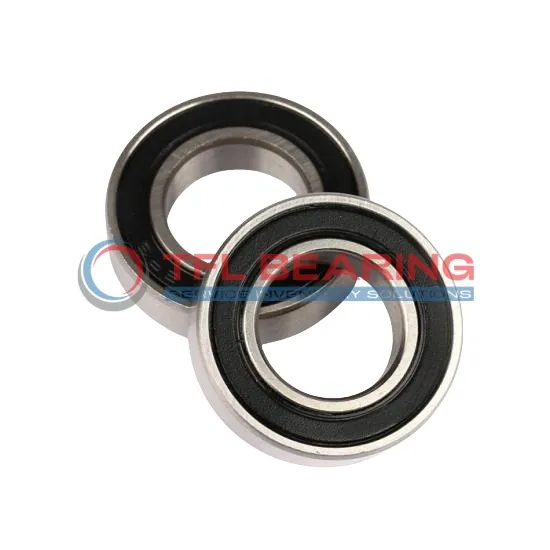
Super Precision Angular Contact Ball Bearings S71900 ACD/P4A
Super Precision Angular Contact Ball Bearings S71900 ACD/P4A
The S71900 ACD/P4A is a super precision angular contact ball bearing with a 10mm bore and 22mm outer diameter, crafted from high-quality chrome steel. It features a 25° contact angle and comes sealed for protection, with matched arrangement and preload options available.
This bearing handles radial loads up to 544 lbf and spins at impressive speeds up to 70,000 RPM. Its phenolic cage ensures smooth operation, while the lubricated design reduces friction for long-lasting performance.
With a tolerance class of P4 (ABEC-7), it offers exceptional accuracy for demanding applications. Ideal for high-speed machinery like spindles or precision tools where reliability is key.
Weighing just 0.01kg, it’s lightweight yet robust. Suitable for temperatures from -30°C to 110°C, making it versatile for various industrial uses. Interchangeable with SKF bearings for easy replacement.
Get A Free Quote
"*" indicates required fields
DescriptionFeaturesApplicationQ&ARecommended ProductsOur Process
Why Choose S71900 ACD/P4A Bearing for Precision Tasks?
S71900 ACD/P4A Bearing features a 25° contact angle, ideal for handling combined radial and axial loads with high precision.
Its P4 tolerance class ensures minimal deviation, making it suitable for applications requiring exacting standards.
The phenolic cage in S71900 ACD/P4A Bearing reduces friction and noise, enhancing operational smoothness.
With a maximum speed of 70,000 rpm, it delivers reliable performance in high-speed scenarios.
S71900 ACD/P4A Bearing’s chrome steel construction offers durability and resistance to wear.
Its sealed design keeps lubrication intact, reducing maintenance needs over time.
The bearing’s compact size (10 mm×22 mm×6 mm) allows for easy integration into precision instruments.
Its dynamic radial load capacity of 544 lbf ensures stability under demanding conditions.
Application
Common Applications of S71900 ACD/P4A Bearing
S71900 ACD/P4A Bearing is widely used in high-speed machine tools, where its precision angular contact design ensures accurate spindle rotation. The sealed construction helps maintain performance in environments with dust or debris.
In robotics, S71900 ACD/P4A Bearing supports articulated arms, providing smooth movement and long service life. Its phenolic cage reduces friction, making it ideal for repetitive motions.
For medical imaging devices, S71900 ACD/P4A Bearing’s P4 tolerance class delivers the consistency needed for precise positioning. The chrome steel construction also ensures reliability in critical applications.
Automotive applications like electric power steering benefit from S71900 ACD/P4A Bearing’s ability to handle combined loads. Its compact size fits well in tight spaces without compromising performance.
In 3D printers, S71900 ACD/P4A Bearing contributes to precise layer alignment, thanks to its low friction and high-speed capabilities. The lubricated design further enhances its durability in continuous use.