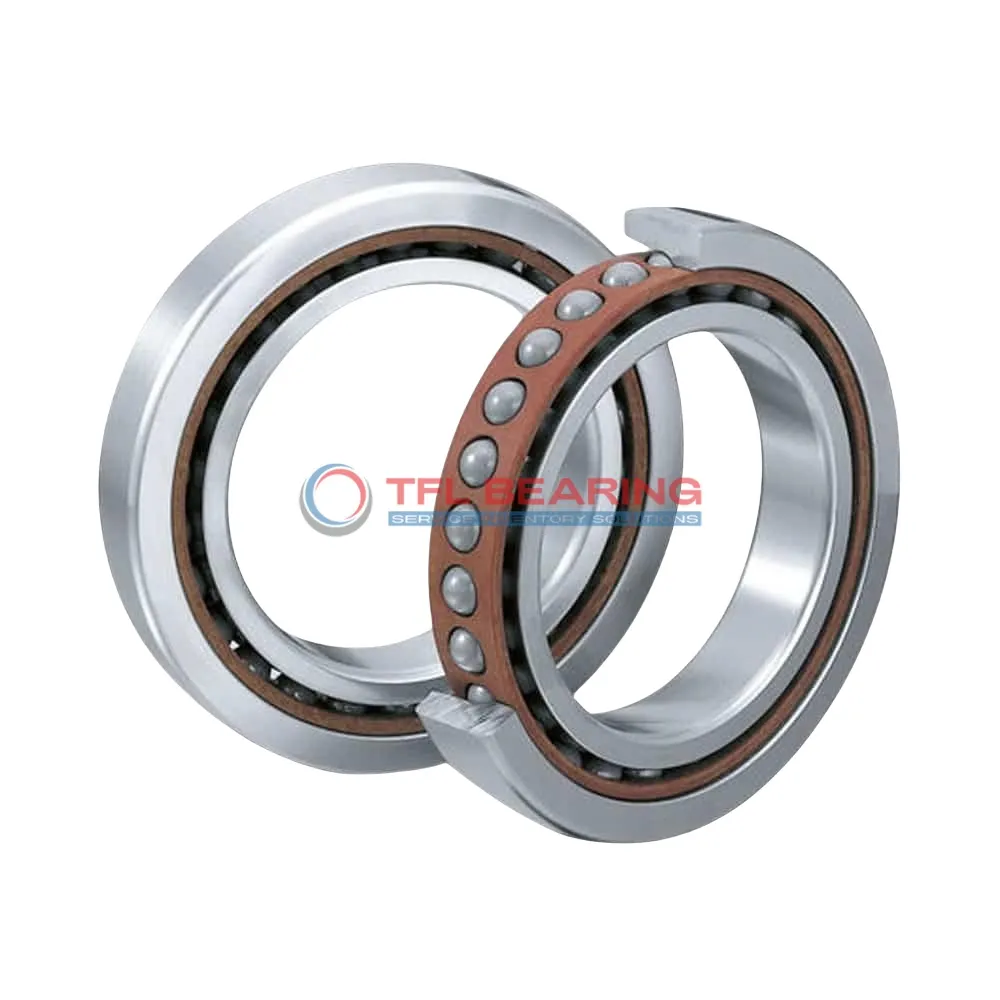
Super Precision Angular Contact Ball Bearings S7005 ACDGA/HCP4A
Super Precision Angular Contact Ball Bearings S7005 ACDGA/HCP4A
The S7005 ACDGA/HCP4A is a super precision angular contact ball bearing, measuring 25mm by 47mm by 12mm. Made from chrome steel with ceramic balls, it offers smooth operation and durability.
With a 25° contact angle, it handles radial loads up to 2077 lbf and spins at speeds up to 100,500 RPM. The sealed design keeps grease in and contaminants out for long-lasting performance.
The phenolic cage reduces friction, while the P4A tolerance class ensures high precision. It works in temperatures from -30°C to 110°C, making it versatile for various conditions.
Ideal for high-speed applications like machine tool spindles or precision instruments. Its universal matching allows flexible arrangements, such as back-to-back or face-to-face setups. Weighing just 0.07kg, it’s lightweight yet robust.
Get A Free Quote
"*" indicates required fields
DescriptionFeaturesApplicationQ&ARecommended ProductsOur Process
Product Parameters
Part NumberS7005 ACDGA/HCP4A
BrandTFL
InterchangeableSKF
Bore Dia25 mm
Bore Dia Tolerance-0.004mm to 0
Outer Dia47 mm
Outer Dia Tolerance-0.004mm to 0
Width12 mm
Width Tolerance-0.2mm to 0
Ball Dia6.35 mm
Ball Qty14
Contact Angle25°
Tolerance ClassP4A
System of MeasurementMetric
Seal TypeSealed
Matched ArrangementNo
Number Of Bearings In Matched Set4
Universal Matching BearingYes, back-to-back (<>), face-to-face (><) or tandem (>>)
S7005 ACDGA/HCP4A Bearing is designed with a 25° contact angle, optimising load distribution for angular contact applications.
Its chrome steel rings and ceramic balls reduce friction, enhancing precision and durability.
The phenolic cage ensures smooth operation at high speeds, reaching up to 100,500 rpm.
With a dynamic radial load capacity of 2077 lbf, it handles demanding conditions reliably.
S7005 ACDGA/HCP4A Bearing operates efficiently in temperatures from -30°C to 110°C.
Its sealed design and grease lubrication minimise maintenance needs, ensuring long service life.
Application
Essential Roles of S7005 ACDGA/HCP4A Bearing
S7005 ACDGA/HCP4A Bearing is commonly used in high-speed machine spindles, where its ceramic balls and phenolic cage reduce friction and heat buildup. The P4A tolerance ensures precise alignment, crucial for maintaining accuracy in CNC machining.
Where Is S7005 ACDGA/HCP4A Bearing Used?
You’ll often find S7005 ACDGA/HCP4A Bearing in dental drills and surgical tools, thanks to its smooth operation and reliability. The sealed design keeps contaminants out, making it ideal for sterile environments.
Optimized for Performance: S7005 ACDGA/HCP4A Bearing
In robotics, S7005 ACDGA/HCP4A Bearing supports articulated arms, providing stability during rapid movements. The extra-light preload reduces vibration, enhancing overall system precision.
Automotive vs Aerospace: Applications of S7005 ACDGA/HCP4A Bearing
For automotive turbochargers, S7005 ACDGA/HCP4A Bearing handles high RPMs with ease, while in aerospace gyroscopes, its ceramic balls ensure consistent performance under extreme conditions.
Practical Applications of S7005 ACDGA/HCP4A Bearing
S7005 ACDGA/HCP4A Bearing works well in 3D printers, where its low friction and high-speed capability improve print quality. The grease lubrication also extends its lifespan in continuous operation.