SKF INSOCOAT Cylindrical Roller Bearings NU 314 ECM/C3VL0241
SKF INSOCOAT Cylindrical Roller Bearings NU 314 ECM/C3VL0241
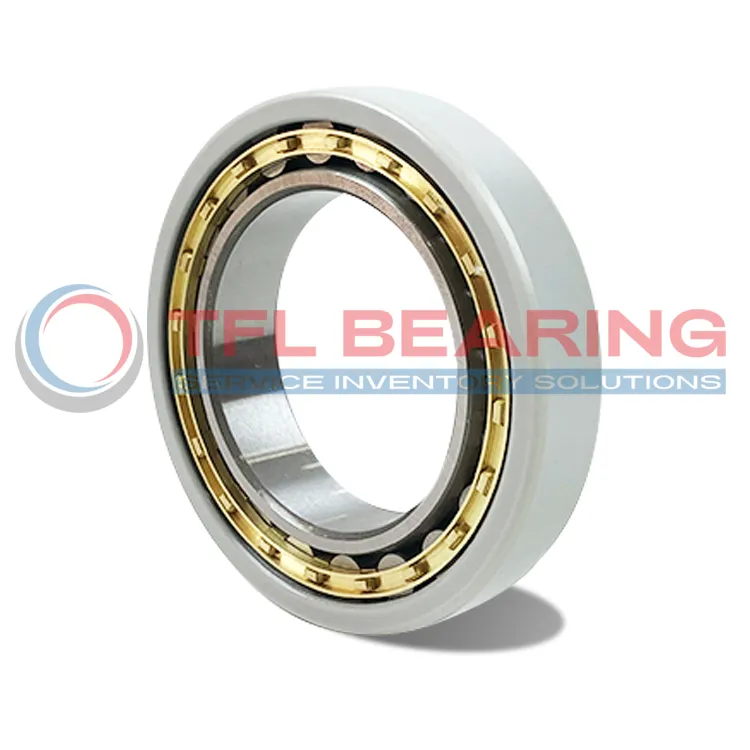
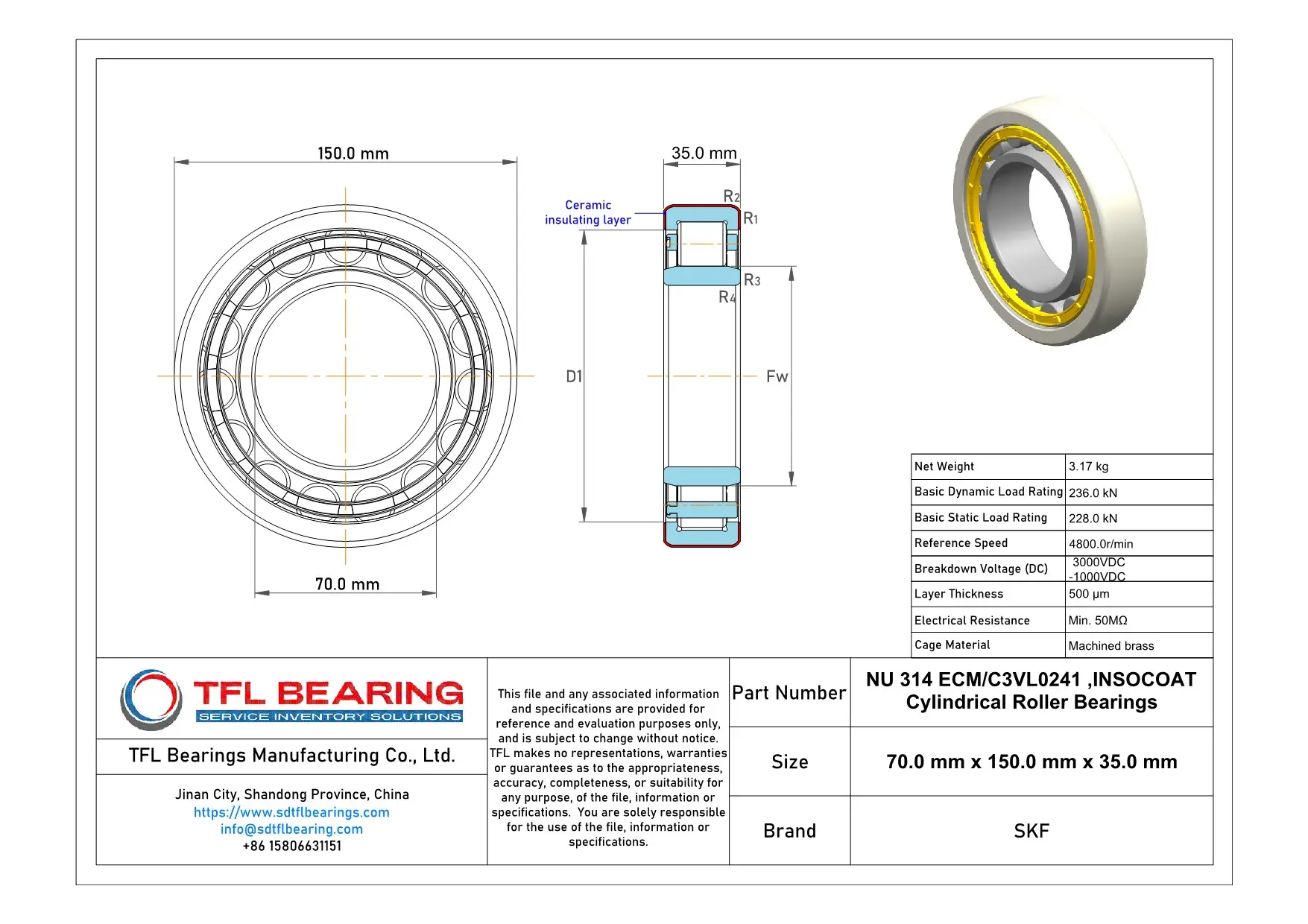
This cylindrical roller bearing measures 70mm by 150mm by 35mm and features a special insulation coating on its outer ring. It handles dynamic loads up to 236 kN and spins efficiently at reference speeds around 4800 RPM.
The insulation coating provides protection against electrical currents, with a breakdown voltage between 1000 and 3000 VDC. Its machined brass cage offers reliable performance and durability in demanding conditions.
With C3 radial internal clearance, it accommodates thermal expansion during operation. The bearing weighs 3.17kg and complies with RoHS and REACH standards for safe use.
Suitable for electric motors and generators where electrical insulation is needed, it works well in industrial machinery and power transmission applications.
Get A Free Quote
"*" indicates required fields
DescriptionFeaturesApplicationQ&ARecommended ProductsOur Process
How Is NU 314 ECM/C3VL0241 Bearing Engineered for Reliability?
NU 314 ECM/C3VL0241 Bearing features an insulating coating on its outer ring, protecting it from electrical damage.
This coating provides a breakdown voltage of 1000 to 3000 VDC, ensuring safe operation in electrically hazardous environments.
The machined brass cage maintains proper roller alignment, reducing friction and wear.
With a basic dynamic load rating of 236 kN, it handles heavy radial loads efficiently.
Application
How Does NU 314 ECM/C3VL0241 Bearing Improve Performance?
NU 314 ECM/C3VL0241 Bearing works well in industrial equipment like large pumps and conveyor systems where electrical currents could cause damage. Its special insulation coating protects against electrical erosion, extending service life significantly.
In automotive electric motors and hybrid vehicle systems, NU 314 ECM/C3VL0241 Bearing handles high speeds while preventing electrical damage from stray currents. The brass cage provides excellent stability at elevated temperatures common in modern vehicles.
For automation equipment and robotic arms, NU 314 ECM/C3VL0241 Bearing offers reliable operation in electrically noisy environments. The C3 clearance accommodates thermal expansion during continuous operation cycles.
Medical imaging devices benefit from NU 314 ECM/C3VL0241 Bearing’s electrical insulation properties, ensuring consistent performance in sensitive diagnostic equipment. The coating maintains electrical resistance even after repeated sterilization cycles.
What Makes NU 314 ECM/C3VL0241 Bearing a Preferred Choice?
NU 314 ECM/C3VL0241 Bearing finds use in industrial fans and blowers where electrical insulation is needed for safety and reliability. The cylindrical roller design handles both radial loads and moderate speeds effectively.
Electric vehicle drivetrains often incorporate NU 314 ECM/C3VL0241 Bearing for its ability to withstand high voltages and temperatures. The insulation coating prevents electrical pitting that could shorten bearing life.
In automated production lines, NU 314 ECM/C3VL0241 Bearing supports precision positioning systems requiring electrical isolation. The machined brass cage maintains proper roller guidance during rapid direction changes.
Laboratory equipment manufacturers choose NU 314 ECM/C3VL0241 Bearing for centrifuges and mixing devices where electrical interference must be minimized. The consistent performance helps maintain accurate test results over time.
Industrial Uses of NU 314 ECM/C3VL0241 Bearing
NU 314 ECM/C3VL0241 Bearing serves well in machine tool spindles and electric motors subject to variable frequency drives. The insulation coating protects against damaging circulating currents that can occur in these applications.
Wind turbine generators frequently use NU 314 ECM/C3VL0241 Bearing in their main shafts where electrical currents pose a risk. The bearing’s construction handles both the load requirements and electrical challenges effectively.
For industrial robots and automated handling systems, NU 314 ECM/C3VL0241 Bearing provides reliable operation in electrically active environments. The C3 clearance allows for thermal expansion during continuous operation periods.
Printing machinery manufacturers select NU 314 ECM/C3VL0241 Bearing for its electrical insulation properties in motor-driven rollers. The consistent performance helps maintain print quality across long production runs.